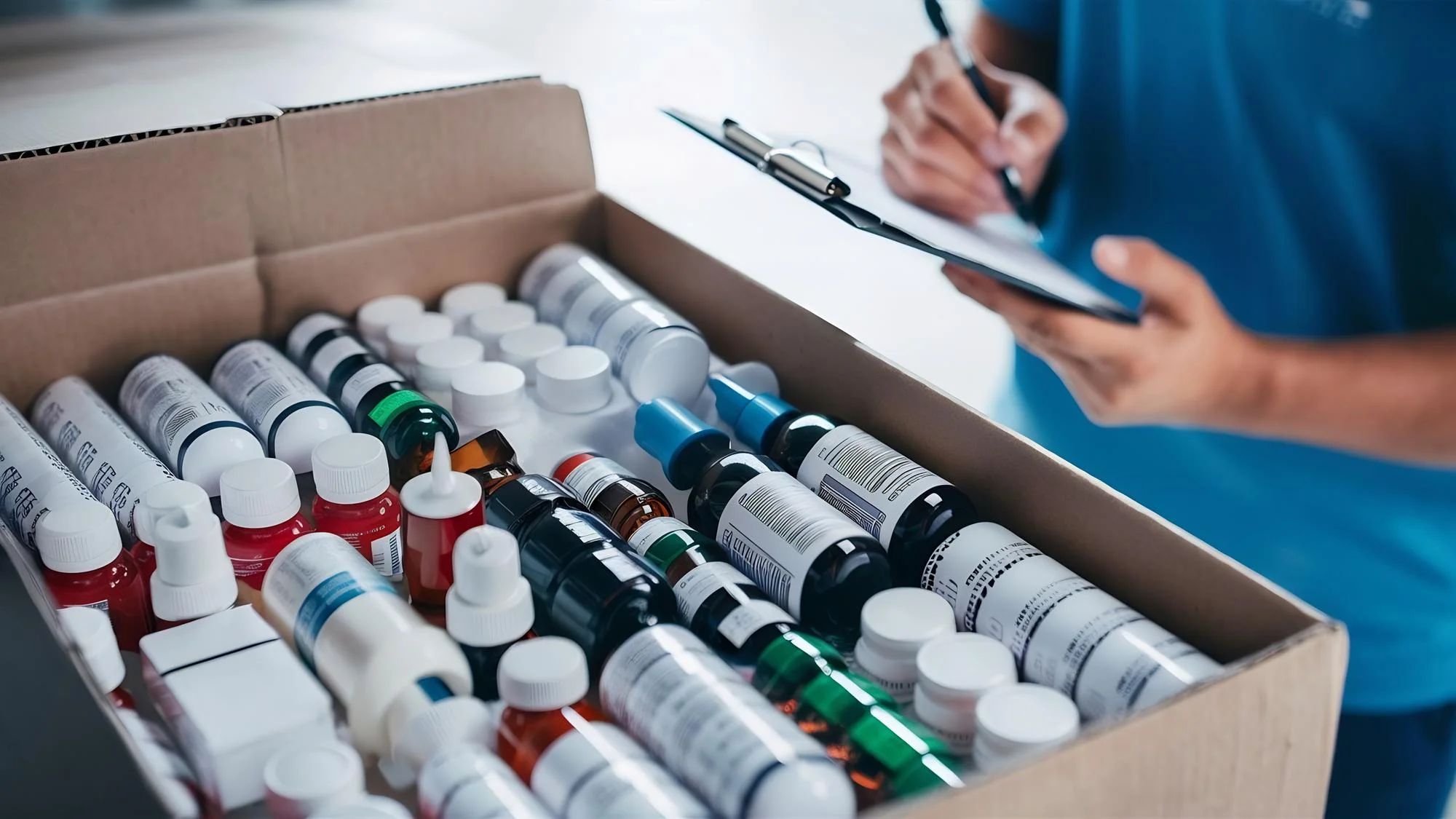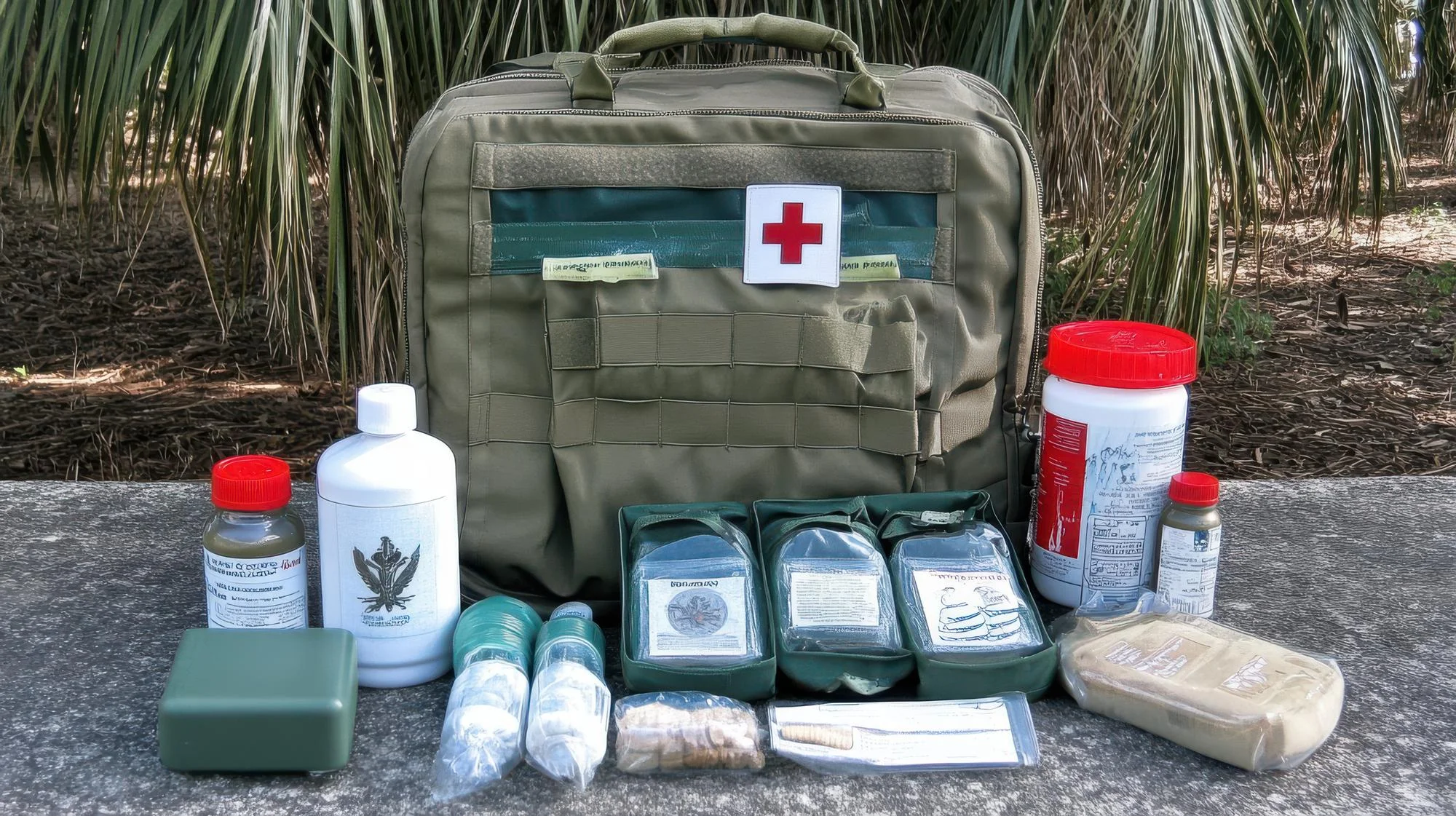


Smoke readiness is not only about masks and air filters. For people who use respiratory prescriptions, it also means making sure the medication, devices, supplies, written instructions, and refill plan are ready before air quality worsens. That preparation is especially useful when wildfire smoke and road or delivery disruptions happen at the same time.
Quick Answer
California’s Department of Public Health advises people preparing for smoky conditions to keep a 7- to 10-day supply of medications on hand and follow existing asthma or COPD action plans. CDPH also advises people with asthma or another lung disease to follow their healthcare provider’s medication directions and contact a provider if breathing symptoms worsen. Before wildfire smoke reaches your area, review every current respiratory prescription, the next refill date, remaining doses, expiration dates, device condition, and any nebulizer or administration supplies. Keep the current medication list and written action plan together. Check local air quality through official sources such as AirNow, but do not create a new medication schedule based on AQI numbers alone. If a smoke event disrupts pickup, delivery, power, or access to the regular pharmacy, call early rather than waiting until the medication is nearly gone. Severe shortness of breath, chest pain, chest tightness, fainting, blue or gray lips, severe wheezing, confusion, or other urgent symptoms require medical evaluation or emergency care rather than a refill-only response.
Why Respiratory Prescription Readiness Matters Before Smoke Arrives
Wildfire smoke contains fine particles and other pollutants that can irritate the respiratory system. CDPH notes that people with asthma, COPD, other lung disease, heart disease, children, older adults, pregnant people, and first responders can be more affected by smoke.
The prescription problem is practical: smoke may worsen symptoms at the same time that a patient is staying indoors, traveling away from an affected area, dealing with a power outage, or facing a pharmacy or delivery disruption.
- Smoke can aggravate breathing problems
- CDPH advises people with lung disease to follow their healthcare provider’s medication directions and action plan.
- Refill timing can become harder
- Road closures, evacuation, poor air quality, or reduced hours can make a routine pharmacy trip less predictable.
- Equipment may matter as much as medication
- Nebulizer tubing, masks, spacers, batteries, charging access, and power can affect whether a prescribed treatment can be used.
- Medication lists help during disruption
- A current list makes it easier for another pharmacist or healthcare professional to understand the existing regimen.
Review a 7- to 10-Day Medication Supply
CDPH’s current smoke-readiness guidance advises keeping a 7- to 10-day supply of medications on hand. That is a preparedness target, not a guarantee that every prescription can be refilled early.
Prescription status, insurance timing, controlled-substance rules, prescriber authorization, medication availability, and pharmacist judgment can affect refill timing. Review the supply early enough to solve those questions before a smoke event.
What part of the respiratory medication plan needs attention?
How many days of each current respiratory prescription are actually on hand?
When is the next authorized refill date, and will it maintain the recommended preparedness supply?
Are any inhalers, ampules, vials, solutions, cartridges, or other products expired or close to expiration?
Does any prescription require a new prescriber order, prior authorization, special order, or compounding lead time?
Are there enough administration supplies to use the medication as prescribed for several days?
Who should be contacted if the current supply becomes low during a smoke event?
Check Inhalers, Nebulizer Supplies, and Equipment
A prescription can be current while the device or supplies needed to use it are not. Before wildfire season intensifies, check the complete setup.
- Inhaler
- Check the label, expiration date, remaining-dose indicator when present, cap, mouthpiece, and prescribed use instructions.
- Spacer or holding chamber
- Keep the prescribed device available and follow its cleaning and use instructions.
- Nebulizer medication
- Check current prescription supply, packaging, expiration, storage, and whether single-use containers remain intact.
- Nebulizer equipment
- Review masks, mouthpieces, tubing, filters, cleaning supplies, and manufacturer instructions.
- Power needs
- If a device requires electricity, know what happens during an outage and whether a backup power plan is appropriate.
- Travel or evacuation bag
- Keep prescribed devices and medication together so the equipment does not get left behind during a quick departure.
Keep the Current Action Plan and Medication List Together
CDPH advises people with asthma or COPD to follow their existing action plans during smoke events. A current action plan can help the patient distinguish routine medication use from instructions for worsening symptoms.
Keep the action plan with a current medication list rather than relying on memory during a stressful event.
- Prescription names
- List current inhalers, nebulizer medications, oral medicines, compounded prescriptions, and other respiratory treatments.
- Strength and directions
- Copy the current pharmacy label rather than using an old medication list.
- Action plan
- Keep the prescriber’s current asthma or COPD plan accessible if one has been provided.
- Pharmacy contact
- Save the pharmacy phone number, prescription numbers, refill dates, and delivery or pickup information.
- Prescriber contact
- Keep clinic and after-hours information available for worsening symptoms or medication-plan questions.
- Allergies and other medicines
- Include relevant allergies and current non-respiratory prescriptions so another healthcare professional can review the full list.
Use Air-Quality Information Without Changing the Prescription Yourself
CDPH and AirNow recommend monitoring local air quality during smoke events. Air quality information can help patients decide when to reduce outdoor exposure, close windows, use cleaner indoor air, or follow other public-health precautions.
It should not be used to invent a new dose, frequency, or medication combination. Follow the existing prescription and action plan unless the healthcare provider changes it.
- Check official AQI information
- Use AirNow or another official local source for current smoke and air-quality conditions.
- Reduce exposure as advised
- CDPH recommends staying indoors and reducing outdoor activity when smoke is affecting the area.
- Keep indoor air cleaner
- Follow public-health guidance on recirculating air, filtration, or portable air cleaners when appropriate.
- Do not change medication from AQI alone
- A higher AQI does not create a new prescription dose or schedule.
Plan for Refill, Pickup, and Delivery Disruptions
Smoke events can change pharmacy hours, transportation, delivery routes, or where the patient is staying. Contact the pharmacy early if the next refill could fall during a period of poor air quality or evacuation risk.
- Pickup
- Ask whether curbside, alternate pickup, or another available option reduces unnecessary smoke exposure.
- Delivery
- Confirm delivery area, timing, address, signature requirements, and what happens if the patient temporarily relocates.
- Compounded prescription
- Ask about preparation lead time, storage, shipping, beyond-use date, and whether the formulation can be prepared before conditions worsen.
- Special-order medication
- Confirm availability before the current supply becomes low.
- Insurance timing
- Ask early about refill timing, prior authorization, network rules, or other plan requirements.
- Temporary relocation
- Keep the medication list, pharmacy information, and prescriber contacts ready if another pharmacy must become involved.
Know When Pharmacy Questions Become Medical Questions
A pharmacist can help with refill status, labels, device questions, storage, medication lists, OTC interactions, compounded prescriptions, pickup, and delivery. Worsening respiratory symptoms need a healthcare provider or emergency evaluation.
CDPH advises people with asthma or other lung disease to call a healthcare provider if symptoms worsen. Its wildfire guidance also says chest pain, chest tightness, or shortness of breath require prompt medical attention.
- Pharmacy question
- Refill timing, label clarification, device supply, storage, prescription history, pickup, delivery, or medication-list review.
- Prescriber question
- Worsening symptoms, action-plan changes, medication adjustments, or a need for a new prescription.
- Urgent medical question
- Significant shortness of breath, chest pain, chest tightness, severe wheezing, fainting, confusion, or rapidly worsening symptoms.
- Emergency
- Call 911 when symptoms are life-threatening or the person is struggling to breathe, collapses, or cannot be awakened.
Check the Supply and Equipment Before Smoke Reaches Your Area
Fireside Pharmacy can help review respiratory prescription labels, refill timing, compounded medications, inhaler or nebulizer supplies, pickup, and delivery.
A Wildfire Smoke Prescription Readiness Checklist
Use this list before wildfire smoke affects local air quality.
- Review each current respiratory prescription and aim to maintain the preparedness supply recommended by public-health guidance without changing doses or refill quantities on your own.
- Check inhaler expiration dates, dose indicators when present, nebulizer medication, spacers, masks, tubing, filters, cleaning supplies, batteries, chargers, and other required equipment.
- Keep the current medication list, pharmacy information, prescriber contacts, and existing asthma or COPD action plan together.
- Use official AQI information to guide smoke-exposure precautions, but do not change prescription dosing or frequency based on AQI alone.
- Contact the pharmacy before a smoke event if refill timing, compounded preparation, special-order supply, delivery, insurance, or temporary relocation could interrupt access.
- Contact a healthcare provider when breathing symptoms worsen, and seek urgent or emergency care for severe shortness of breath, chest pain, chest tightness, collapse, confusion, or other serious symptoms.
Frequently Asked Questions
How much medication should someone with asthma or COPD keep ready for wildfire smoke season?
CDPH’s current smoke-readiness guidance advises keeping a 7- to 10-day supply of medications on hand. Actual refill timing still depends on the prescription, insurance, medication type, prescriber authorization, and pharmacist judgment.
Should I take extra inhaler doses when the AQI gets worse?
Do not change the prescribed dose or frequency based on AQI alone. Follow the current prescription and asthma or COPD action plan and contact the healthcare provider if symptoms worsen.
What should I check on a nebulizer before wildfire season?
Review the medication supply and expiration, masks or mouthpieces, tubing, filters, cleaning instructions, power needs, and any manufacturer or prescriber instructions for the device.
Can a pharmacy help if wildfire smoke makes pickup difficult?
Ask about available pickup or delivery options, refill timing, pharmacy hours, compounded preparation lead time, and whether another arrangement is possible. Availability varies by pharmacy and prescription.
When should worsening breathing during wildfire smoke be treated as urgent?
Contact a healthcare provider when symptoms worsen. Seek urgent or emergency care for significant shortness of breath, chest pain, chest tightness, severe wheezing, fainting, confusion, rapidly worsening symptoms, or another medical emergency.
Make the Respiratory Prescription Plan Before the Air Turns Smoky
Use the form above to request a call about respiratory prescriptions, refill timing, compounded medications, inhaler or nebulizer supplies, pickup, or delivery.