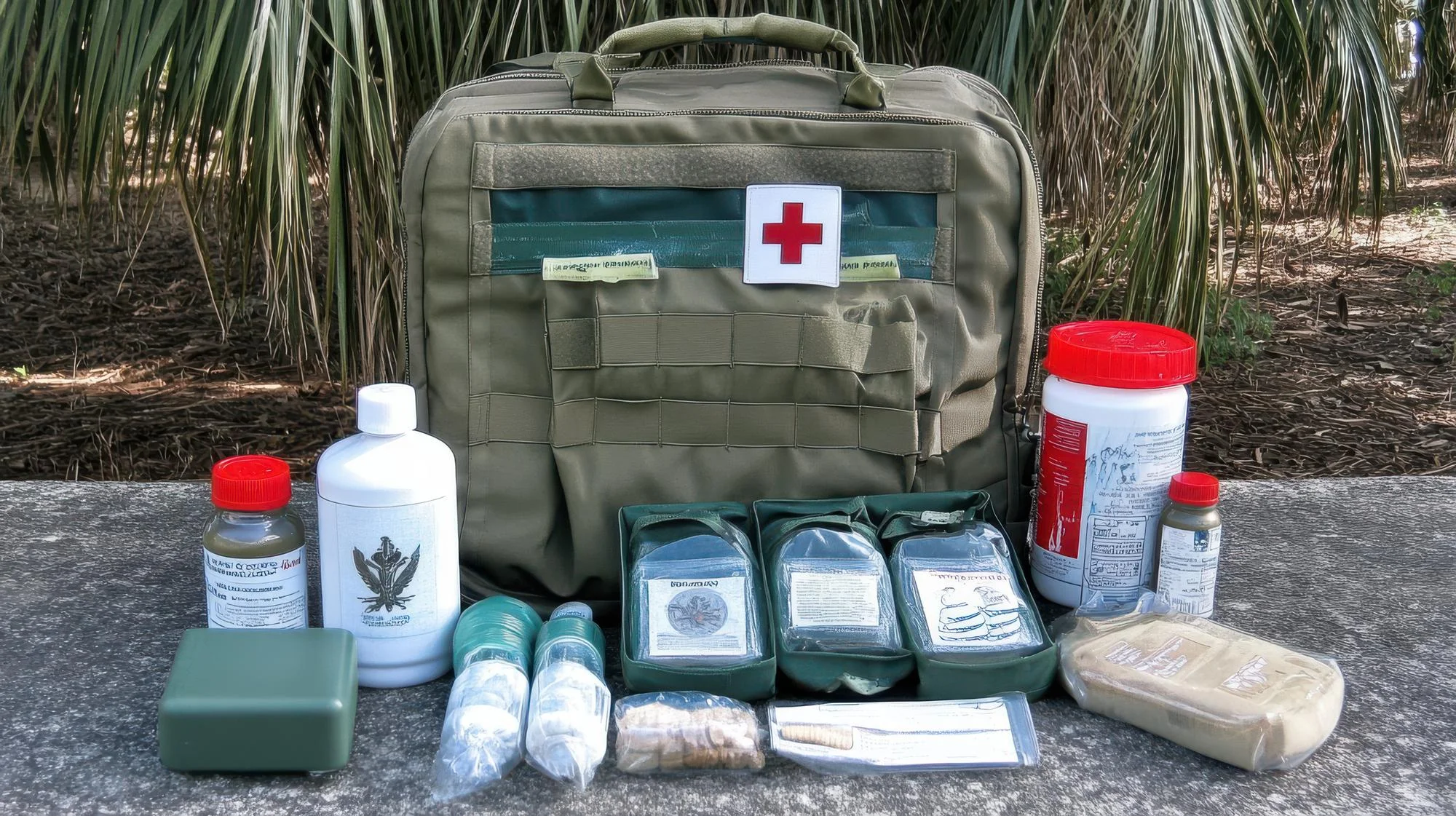

The best time to solve a summer medication-storage problem is before the room, car, porch, delivery box, or travel bag gets hot. May gives California patients a chance to look at the exact compounded preparation they are using and make sure the storage routine still matches the current pharmacy label.
Quick Answer
Before summer temperatures climb, reread the current label on every compounded medication and compare those instructions with where the medication is actually stored. California’s Board of Pharmacy says compounding pharmacies must maintain validated or qualified procedures for storage, shipping containers, and transportation of temperature-sensitive compounded preparations so integrity, quality, and labeled strength are preserved. For patients, the current dispensing label remains the practical instruction to follow after pickup or delivery. Do not assume every compounded medication belongs in the refrigerator, that every room-temperature preparation can sit in a hot car, or that a cooler automatically creates the right condition. Check the home cabinet or refrigerator, the drive home from the pharmacy, porch or delivery area, work bag, travel container, and any backup location used during a power outage. If the medication has been stored outside the labeled condition, record the approximate time and circumstances and ask the dispensing pharmacy what to do instead of deciding based on appearance alone.
Why May Is the Right Time to Recheck Storage
April can bring early warm days, but May is when many California households begin using air conditioning more regularly, spending longer periods outside, planning summer travel, and leaving packages or bags in warmer spaces. That seasonal shift can expose a prescription to conditions that were not part of the winter routine.
This article is not about fixing a known heat excursion after it happens. It is about identifying the weak points before hotter weather makes them routine.
- Indoor temperatures change
- A cabinet, bedroom, bathroom, or kitchen shelf that stayed comfortable in winter may become warmer later in the day.
- Vehicles become less forgiving
- Errands, school pickup, workdays, and road trips can turn a purse, backpack, trunk, or console into an unsuitable storage location.
- Deliveries sit in warmer places
- Porches, lockers, mail areas, front desks, and exterior entryways can heat up quickly as summer approaches.
- Outage risk matters more
- Heat and wildfire season can create power interruptions that affect refrigerated or temperature-sensitive prescriptions.
Start With the Current Compounded Prescription Label
Compounded prescriptions are not one uniform product category. They can differ in active ingredients, concentration, dosage form, container, beyond-use date, storage condition, light sensitivity, and handling instructions.
Always use the current fill rather than relying on memory from a previous prescription. A formulation, strength, container, or pharmacy instruction may have changed.
What storage question are you reviewing before summer?
What exact storage instructions appear on this fill?
Does the label mention refrigeration, room storage, protection from light, moisture, heat, or freezing?
What expiration or beyond-use date applies to the current preparation?
Has the formulation, strength, dosage form, container, or pump changed since the previous fill?
What should I do if the medication is temporarily outside its labeled storage condition?
Who should I call if a delivery, trip, outage, or refrigerator problem changes the planned storage environment?
Audit the Storage Location Before Summer Heat
“I keep it inside” is not enough information. Different indoor locations can vary widely in temperature, humidity, light exposure, and proximity to heat sources.
Look at the place where the medication spends most of the day, not just where it is supposed to be stored.
- Bedroom or closet
- Check afternoon sun, closed-door heat buildup, upstairs temperatures, and whether the area stays within the labeled condition.
- Bathroom
- Humidity and temperature can change around showers and baths, so confirm that the location fits the label.
- Kitchen
- Avoid placing the prescription beside ovens, stovetops, dishwashers, windows, or other heat-producing areas unless the labeled conditions are maintained.
- Garage or shed
- Do not assume these spaces meet room-storage conditions; they can experience larger temperature swings than living areas.
- Purse or work bag
- Temporary carrying should not quietly become permanent storage during hot weather.
- Child and pet access
- Any new summer storage location should still keep medication secure and out of unintended reach.
Confirm Refrigeration and Cooling Instructions
Some compounded medications require refrigeration. Others should not be refrigerated. The correct choice depends on the exact preparation.
California health-facility guidance emphasizes keeping medications that require refrigeration at the specified temperature. For home use, the patient should follow the pharmacy label and ask how the exact preparation should be stored.
- Refrigeration required
- Confirm where in the refrigerator the medication should be placed and whether the door, back wall, or freezer-adjacent areas should be avoided.
- Room storage required
- Do not move a product into the refrigerator simply because outdoor temperatures are rising.
- Cooler for transport
- Ask whether a cooler is appropriate, what cooling material to use, and whether the medication can touch frozen packs directly.
- Freezing concern
- Colder is not automatically safer; some preparations can be damaged by freezing or direct frozen-pack contact.
Plan for Cars, Porches, Delivery, and Time Away From Home
The weakest storage point may happen before the medication reaches its usual cabinet or refrigerator. Summer errands, delayed packages, hotel check-in, school or work schedules, and long drives can all stretch the time a prescription spends outside its normal environment.
The Board of Pharmacy says compounding pharmacies must use validated or qualified procedures for storage, shipping containers, and transportation of temperature-sensitive compounded preparations. Patients still need a plan for what happens once the package is delivered or the prescription leaves the pharmacy.
- After pickup
- Go directly to the appropriate storage location when the prescription has temperature-sensitive handling requirements.
- Home delivery
- Know the delivery window and bring the package indoors promptly when the pharmacy instructions call for controlled storage.
- Parked vehicle
- Do not use the car, trunk, glove compartment, or console as routine storage during warm weather.
- Work or school day
- Ask how the prescription should be kept if it must remain away from the normal storage location for several hours.
- Weekend trip
- Check transport, destination storage, refill timing, and return-trip conditions before leaving home.
- Delayed package
- Know whom to contact if a temperature-sensitive shipment arrives later than expected or sits outside longer than planned.
Build a Power-Outage and Temperature-Excursion Plan
Before summer, decide what information you will record and whom you will contact if the storage environment fails. This is especially useful for refrigerated compounded preparations during wildfire or heat-related outages.
If a medication is left outside the labeled condition, do not automatically discard it and do not automatically keep using it. Ask the dispensing pharmacy to review the specific preparation and exposure details.
- Record the time
- Write down approximately when normal storage was lost and when it was restored.
- Record the conditions
- Note room temperature, refrigerator failure, vehicle exposure, direct sun, cooler status, or other relevant circumstances when known.
- Keep the label available
- The pharmacy needs the exact preparation, strength or concentration, dosage form, and labeled storage instructions.
- Ask before using or discarding
- Appearance alone cannot determine whether a temperature-sensitive preparation remains appropriate to use.
Recheck the Storage Plan Before California Heat Makes It Urgent
Fireside Pharmacy can help review compounded medication labels, refrigeration, travel storage, delivery conditions, refill timing, pickup, and outage planning.
A Pre-Summer Storage Checklist for Compounded Medications
Use this list in May, before hotter weather becomes routine.
- Read the current prescription label and identify the exact storage condition, beyond-use or expiration date, dosage form, strength or concentration, and handling instructions.
- Check the actual home storage location for afternoon heat, sunlight, humidity, nearby appliances, seasonal temperature changes, and secure child or pet access.
- If refrigeration is required, confirm the refrigerator location and what to do during a power outage, equipment failure, trip, or move.
- Do not use a parked vehicle, garage, porch, delivery locker, purse, backpack, or work bag as routine summer storage unless the labeled condition is maintained.
- For delivery or travel, ask how the medication should be packed, how quickly it should be moved into storage, and whom to contact after a delay or suspected temperature excursion.
- If the medication leaves its labeled storage condition, record the approximate time and circumstances and contact the dispensing pharmacy before deciding whether to use or discard it.
Frequently Asked Questions
Should every compounded medication be refrigerated in summer?
No. Compounded preparations can have different storage requirements. Follow the current pharmacy label and ask the dispensing pharmacy before changing the storage condition.
Can I leave a compounded prescription in the car during a quick errand?
Do not use a parked vehicle as a planned storage location during warm weather. If the medication must travel with you, ask the pharmacy how the exact preparation should be transported.
What if my refrigerated compounded medication loses power overnight?
Keep the label available, record the approximate outage time and conditions, and contact the dispensing pharmacy for preparation-specific guidance rather than deciding based on appearance alone.
Can I put a compounded medication directly against an ice pack?
Not automatically. Ask whether the exact preparation can contact frozen material and what packing method is appropriate.
What should I ask before a temperature-sensitive compounded prescription is delivered in summer?
Ask about the expected delivery window, shipping setup, what to do after a delay, how quickly the package should be moved into storage, and whom to contact if the package arrives outside the expected condition.
Make the Summer Storage Plan Before the First Heat Problem
Use the form above to request a call about compounded medication storage, refrigeration, delivery, travel, refill timing, pickup, or outage planning.