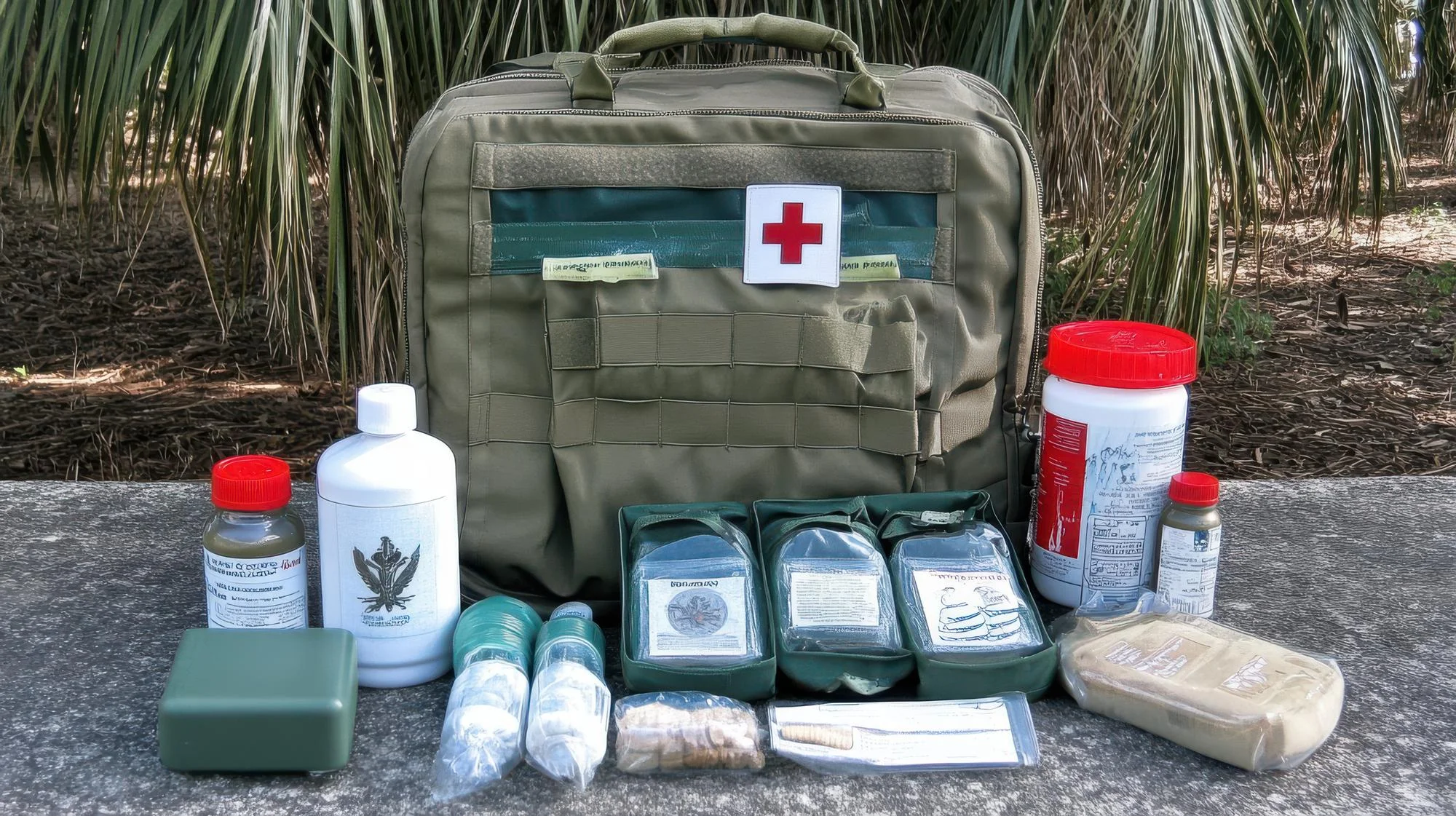


Flu activity does not have to interrupt a prescription routine. The most useful preparation is often ordinary: know which medications are running low, make sure prescribed respiratory medicines and devices are available, avoid duplicate over-the-counter ingredients, and know which clinician or pharmacy to call if symptoms or access problems develop.
Quick Answer
On January 13, 2026, the California Department of Public Health reported that influenza activity and hospital admissions were increasing across the state. Influenza A(H3N2) represented most currently circulating specimens, and H3N2 subclade K had been detected in California. Young children and older adults remained among the groups at highest risk for severe flu complications. For pharmacy patients, the practical response is to review routine refill dates, confirm that already-prescribed respiratory medications and devices are available and usable, check needed supplies, and compare active ingredients before using multiple over-the-counter cold or flu products. If a higher-risk patient develops flu symptoms, CDPH advises prompt clinical evaluation because treatment decisions can be time-sensitive. Do not start, stop, restart, or change a prescription solely because flu activity is rising.
What California Is Reporting This January
CDPH’s January 13 update said flu activity and hospital admissions were increasing across California. The department also reported that influenza A(H3N2) made up most circulating specimens and that H3N2 subclade K had been detected in the state.
The exact strain is less important for day-to-day medication planning than the broader signal: respiratory illness was increasing, more people were being hospitalized, and patients with a higher risk of complications had a reason to review their medication access before getting sick.
- Flu activity
- CDPH reported increasing influenza activity across California.
- Circulating virus
- Influenza A(H3N2) accounted for most currently circulating specimens.
- Hospital admissions
- Influenza-related hospital admissions were also increasing
- Planning takeaway
- Review prescription access before illness, weekends, or reduced mobility turn a routine refill into an urgent one.
Rising Flu Activity Is Not a Reason to Change a Prescription
The public-health update describes community activity. It does not tell an individual patient to increase a dose, restart an old medication, or use a prescription that was not prescribed for the current situation.
Who Should Review Prescriptions Earlier?
CDPH specifically highlighted young children and older adults as groups at higher risk for serious flu complications. Other people can also have higher risk because of chronic medical conditions, pregnancy, immune-system conditions, or other clinical factors.
Higher risk does not mean every patient needs extra medication. It means the medication list, refill dates, respiratory prescriptions, devices, and clinician contact plan should be clear before symptoms begin.
What needs the closest review?
Routine prescriptions
Check which regular prescriptions are due soon, whether refills remain, whether a new prescription is needed, and whether the next refill date falls during a period when illness could make pickup or coordination harder.
Respiratory medications
Confirm that already-prescribed inhalers, nebulizer medications, or other respiratory prescriptions are current, available, and within their labeled usable period. Do not restart an old prescription without prescriber guidance.
Devices & supplies
Check spacers, nebulizer equipment, masks, tubing, batteries, or other supplies already part of the treatment plan so a missing or damaged item is found before it is urgently needed.
Caregiver plan
Make sure the caregiver has the medication list, pharmacy contact information, pickup details, and any authorization or identification needed if illness prevents the patient from handling the refill personally.
Do Not Stockpile
Refill timing still depends on the prescription, medication, prescriber, insurer, and pharmacy. The goal is to avoid preventable gaps, not to obtain unauthorized extra medication.
Review Routine Refills Before Illness Disrupts the Schedule
A flu infection can make a routine pharmacy task harder: the patient may not feel well enough to drive, a caregiver may need to pick up medication, or a prescriber may need to renew an expired prescription while the patient is already sick.
01. Which regular prescriptions are expected to run out during the next two to three weeks?
02. Do those prescriptions still have refills remaining?
03. Does any medication require pharmacy preparation or extra lead time?
04. Would a caregiver need permission or information to pick up medication if I were sick?
05. Do I know which pharmacy number to call if I cannot come in?
06. If a prescription needs renewal, is the current prescriber information on file?
For compounded prescriptions, remember that the preparation itself may require additional time. A routine refill review should account for both the date the current supply runs out and the pharmacy’s normal preparation timeline.
Check Prescribed Respiratory Medications, Devices, and Supplies
Patients who already use prescribed respiratory medicines should make sure the medication and the equipment needed to use it are available and current. This can include inhalers, nebulizer medication, spacers, masks, tubing, or other prescribed supplies depending on the patient’s existing care plan.
Check the label, expiration or beyond-use information, remaining quantity, and device condition. If a rescue or maintenance medication is missing, expired, damaged, or no longer matches the current medication list, contact the pharmacy or prescriber rather than substituting an old prescription.
- Medication supply
- Confirm the prescribed respiratory medication is available and within its labeled usable period.
- Current directions
- Use the directions on the current prescription and contact the prescriber if the plan is unclear.
- Device condition
- Check spacers, nebulizer equipment, masks, tubing, or other devices already part of the care plan.
- Prescriber contact
- Know who manages the respiratory prescription before symptoms create an urgent question.
Do Not Restart an Old Respiratory Prescription on Your Own
If a medication was discontinued, changed, or belongs to an older treatment plan, ask the prescriber whether it is still appropriate before using it.
Compare Active Ingredients Before Combining Cold and Flu Products
Many nonprescription cold and flu products contain more than one active ingredient. Using two products with overlapping ingredients can unintentionally duplicate the same medicine.
Before adding an over-the-counter product, read the Drug Facts label and compare its active ingredients with other cold, flu, pain, sleep, or allergy products already being used. Ask a pharmacist when the labels are unclear or when prescription medications make the choice more complicated.
- Read “Active ingredient”
- Compare what is actually in each product rather than relying on the brand name.
- Check prescription interactions
- Ask a pharmacist if you use multiple prescriptions or are unsure whether an OTC product fits with them.
- Avoid accidental duplication
- Two different-looking products can contain the same pain, cough, decongestant, or antihistamine ingredient.
- Use age-appropriate products
- Do not give an adult product or dose to a child unless a healthcare professional specifically directs it.
Higher-Risk Symptoms Need Clinical Guidance
CDPH advises prompt evaluation for people at higher risk who develop flu symptoms because some treatment decisions are most useful when made early. Contact a clinician rather than relying only on pharmacy self-care.
Check the Routine Prescription Before Illness Makes It Harder
Fireside Pharmacy can help with refill status, respiratory prescriptions, devices, compounded medications, transfer, pickup, and delivery questions.
A January Medication Readiness Checklist
Use this list while California flu activity is high so routine prescription questions are handled before they become urgent.
01. Review which routine prescriptions are due within the next two to three weeks.
02. Check already-prescribed respiratory medications, devices, and related supplies.
03. Compare active ingredients before using more than one over-the-counter cold or flu product.
04. Confirm that refills remain or contact the prescriber early when a new prescription is needed.
05. Review expiration or beyond-use information on medications that may sit unused for part of the year.
06. Keep pharmacy, prescriber, and caregiver contact information available in case illness affects pickup or refill coordination.
Frequently Asked Questions
Was flu activity actually rising in California in January 2026?
Yes. CDPH reported on January 13, 2026 that influenza activity and hospital admissions were increasing across the state.
Should I refill every prescription early because flu activity is rising?
No. Review upcoming refill dates and address prescriptions that are genuinely due or need renewal. Refill timing still depends on the prescription, insurer, medication, prescriber, and pharmacy.
What should I check if I already use an inhaler or other respiratory prescription?
Confirm that the current prescription is available, the label and directions are readable, the medication is within its labeled usable period, and any required device or supplies are in working condition.
Can I use an old respiratory prescription if I get flu symptoms?
Do not restart a discontinued or outdated prescription on your own. Contact the prescriber if the current respiratory treatment plan is unclear.
When should a higher-risk patient contact a clinician about flu symptoms?
CDPH advises prompt clinical evaluation for people at higher risk for severe flu complications because some treatment decisions are time-sensitive. Seek urgent medical care for severe or rapidly worsening symptoms.
Review the Refill While You Are Still Feeling Well
Use the form above to request a call about routine refills, respiratory prescriptions, devices, compounded medications, transfer, pickup, or delivery.