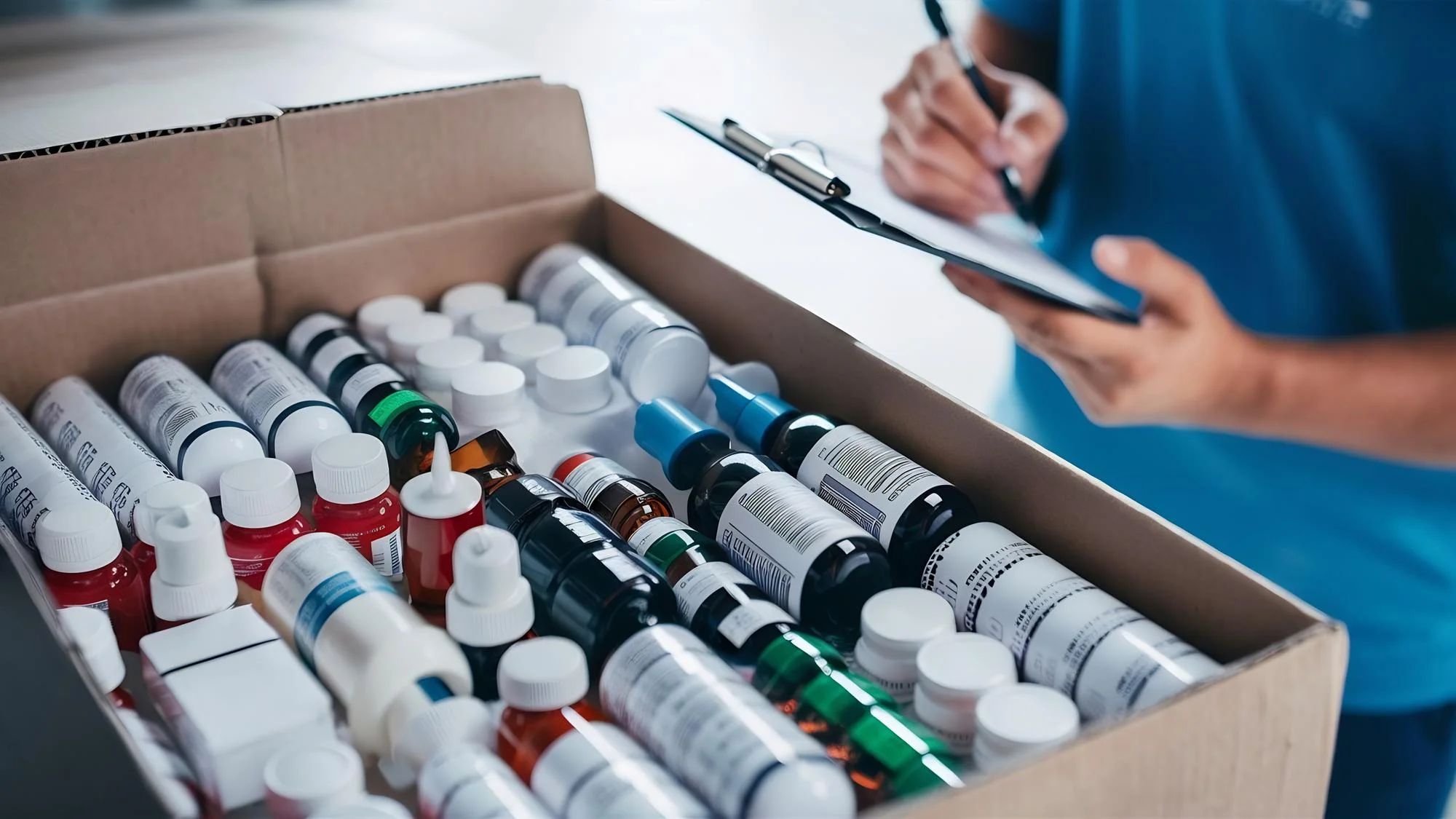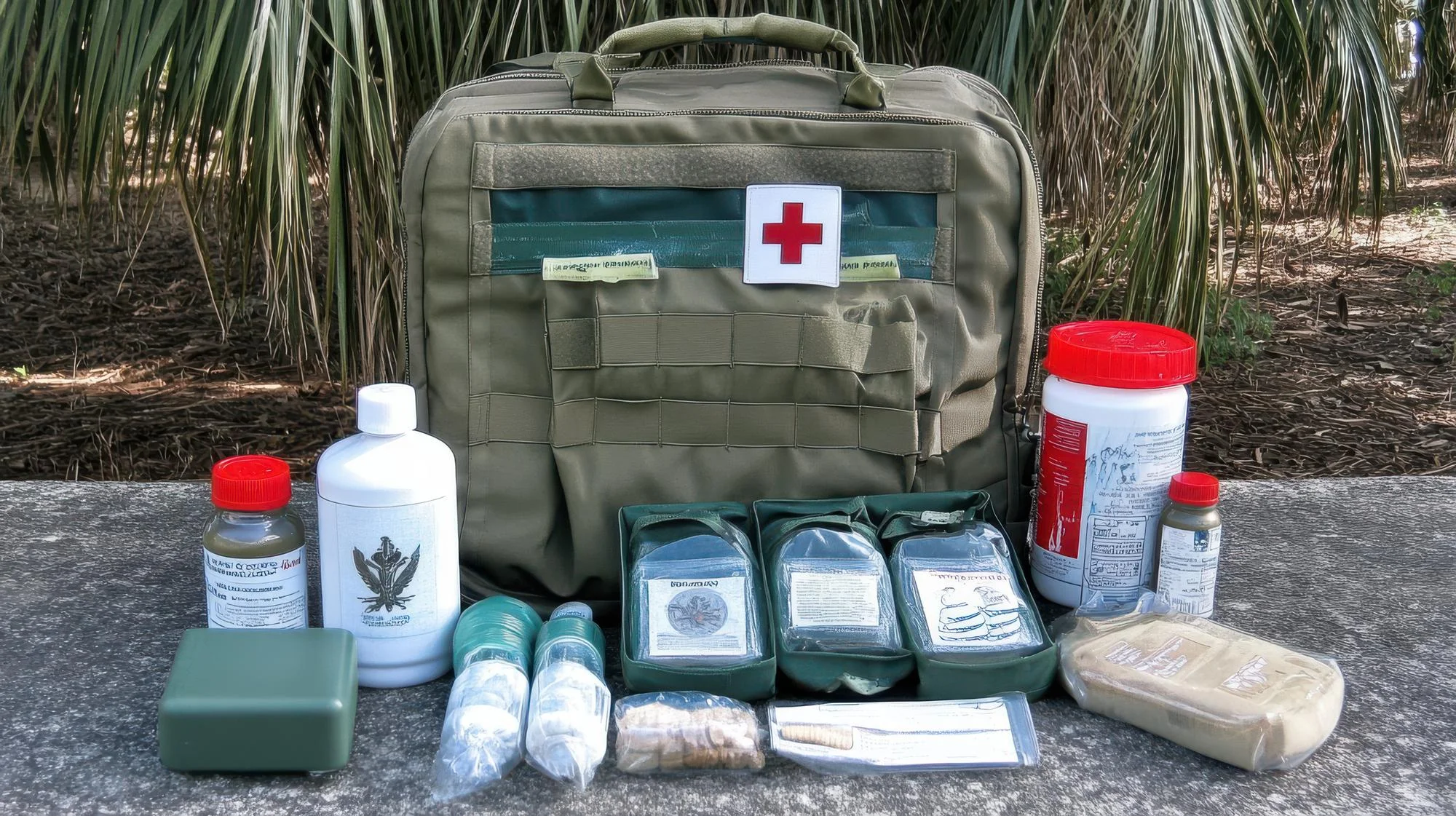


Travel problems usually start before the trip: a refill requested too late, a beyond-use date that falls during the vacation, a temperature-sensitive preparation packed without a storage plan, or a medication left in checked luggage when the bag is delayed.
Quick Answer
Before traveling with a compounded prescription, confirm that the medication supply and beyond-use date cover the trip, keep the prescription in its pharmacy-labeled container, follow the storage instructions for that specific preparation, and request refills early enough for normal pharmacy preparation and any prescriber follow-up. When flying, keep essential medication accessible in carry-on baggage when possible. TSA permits medically necessary liquids, medications, and creams above the standard 3.4-ounce limit in carry-on baggage when they are presented for screening. For international travel, check destination and transit-country medication rules before departure. If a compounded preparation is exposed to unexpected heat, cold, freezing, moisture, damage, or another storage problem, contact the dispensing pharmacy before deciding whether to use it.
Start With the Pharmacy Label, Not a Generic Packing List
A compounded prescription may have a preparation-specific strength, dosage form, container, beyond-use date, storage instruction, or handling direction. Those details should guide the travel plan.
Check the amount on hand and the beyond-use date together. A container can appear to hold enough doses for the full trip and still be unsuitable for the entire travel period if the labeled beyond-use date occurs while you are away.
- Medication identity
- Keep the pharmacy label readable so the preparation, strength, directions, and patient information remain clear.
- Beyond-use date
- Confirm that the preparation remains within its labeled usable period through the trip.
- Storage instructions
- Use the conditions stated for that preparation rather than assuming all compounded medications need refrigeration.
- Pharmacy contact
- Save the dispensing pharmacy’s contact information before departure.
Beyond-Use Date Is Part of the Travel Plan
Plan Storage for the Trip, Not Just the Destination
A medication can encounter several environments before arrival: a warm vehicle, airport screening, an airplane cabin, a hotel, a relative’s home, or an overnight stop. Each part of the trip should fit the storage instructions on the label.
Choose the closest travel situation
Driving
Flying
Temperature-sensitive preparation
Storage is unclear
Do Not Automatically Use Ice
Flying With Medication: Keep Essential Prescriptions Accessible
CDC travel guidance recommends carrying medication in original labeled containers and keeping it in carry-on belongings during international travel. That reduces the chance of being separated from essential medication if checked luggage is lost, delayed, damaged, or stolen.
TSA permits medications through security screening. Medically necessary liquids, medications, and creams may exceed 3.4 ounces or 100 milliliters in carry-on baggage and are handled separately during screening.
- Carry-on placement
- Keep essential medication where you can access it rather than relying on checked luggage.
- Medically necessary liquids
- TSA allows medically necessary liquids above the standard carry-on liquid limit with screening.
- Cooling accessories
- Accessories needed to cool medically necessary medication are subject to security screening.
- Labeling
- Keeping the compounded prescription in its pharmacy-labeled container makes identification and storage instructions easier to verify.
International Travel Adds Medication-Law Questions
CDC’s 2026 Yellow Book notes that some medications may be prohibited or restricted in other countries, including restrictions on quantity or dosage form. Travelers should check the destination country and any country where they will pass through customs.
International travel is also a strong reason to keep prescriptions in their original labeled containers and carry a current medication list. If documentation from a prescriber may be needed, arrange it before departure rather than trying to obtain it while traveling.
Do Not Assume U.S. Prescription Rules Apply Abroad
Six Questions to Answer Before the Suitcase Is Packed
01. Will my current supply and beyond-use date cover the full trip?
02. What storage conditions apply to this exact compounded preparation?
03. How much preparation time does the pharmacy need for the next refill?
04. If I am flying, how will I keep the medication accessible and within its storage requirements?
05. Does my destination or transit country restrict this medication or dosage form?
06. Who should I contact if the medication is lost, damaged, delayed, or exposed to the wrong conditions?
Confirm Refill Timing and Storage in the Same Call
Fireside Pharmacy can help with preparation time, labeled storage, refill status, transfer, pickup, delivery, and holiday travel questions.
Holiday Travel Moves the Practical Refill Deadline Forward
A compounded refill may require preparation time before pickup or shipment. The pharmacy may also need an updated prescription or clarification from the prescriber before preparation can begin.
Compare the travel date with the amount on hand, remaining refills, beyond-use date, pharmacy preparation time, and any insurance or payment requirements. An early refill should not be assumed simply because travel is planned.
01. Count the medication supply and confirm the beyond-use date.
02. Check whether refills remain on the current prescription.
03. Ask how much preparation time the compounded prescription normally requires.
04. Compare the expected ready date with the departure date and holiday hours.
05. Keep the medication in its pharmacy-labeled container during travel.
06. Save pharmacy and prescriber contact information in case plans change while away.
Frequently Asked Questions
Should a compounded medication stay in its pharmacy-labeled container while traveling?
Yes. Keeping the preparation in its pharmacy-labeled container preserves identification, directions, storage information, and the beyond-use date. Follow any additional transport instructions provided by the pharmacy.
Can every compounded medication go in an ice cooler?
No. Storage depends on the specific preparation. Some compounded medications require refrigeration, while others have different storage instructions. Follow the label and pharmacy guidance.
Can I bring medically necessary liquid medication over 3.4 ounces through airport security?
Yes. TSA permits medically necessary liquids, medications, and creams above 3.4 ounces or 100 milliliters in carry-on baggage, subject to security screening procedures.
How early should I request a compounded refill before holiday travel?
There is no single lead time for every compounded prescription. Ask the pharmacy how much preparation time the specific prescription requires and allow time for weekends, holidays, and possible prescriber follow-up.
What should I do if a temperature-sensitive compounded prescription gets warm or may have frozen?
Do not decide based only on appearance. Note what happened, how long the exposure may have lasted, and contact the dispensing pharmacy with the label available before using the medication.
Do the Pharmacy Planning Before the Suitcase Is Packed
Use the form above to request a call about refill timing, compounded-medication storage, travel, transfer, pickup, or delivery.