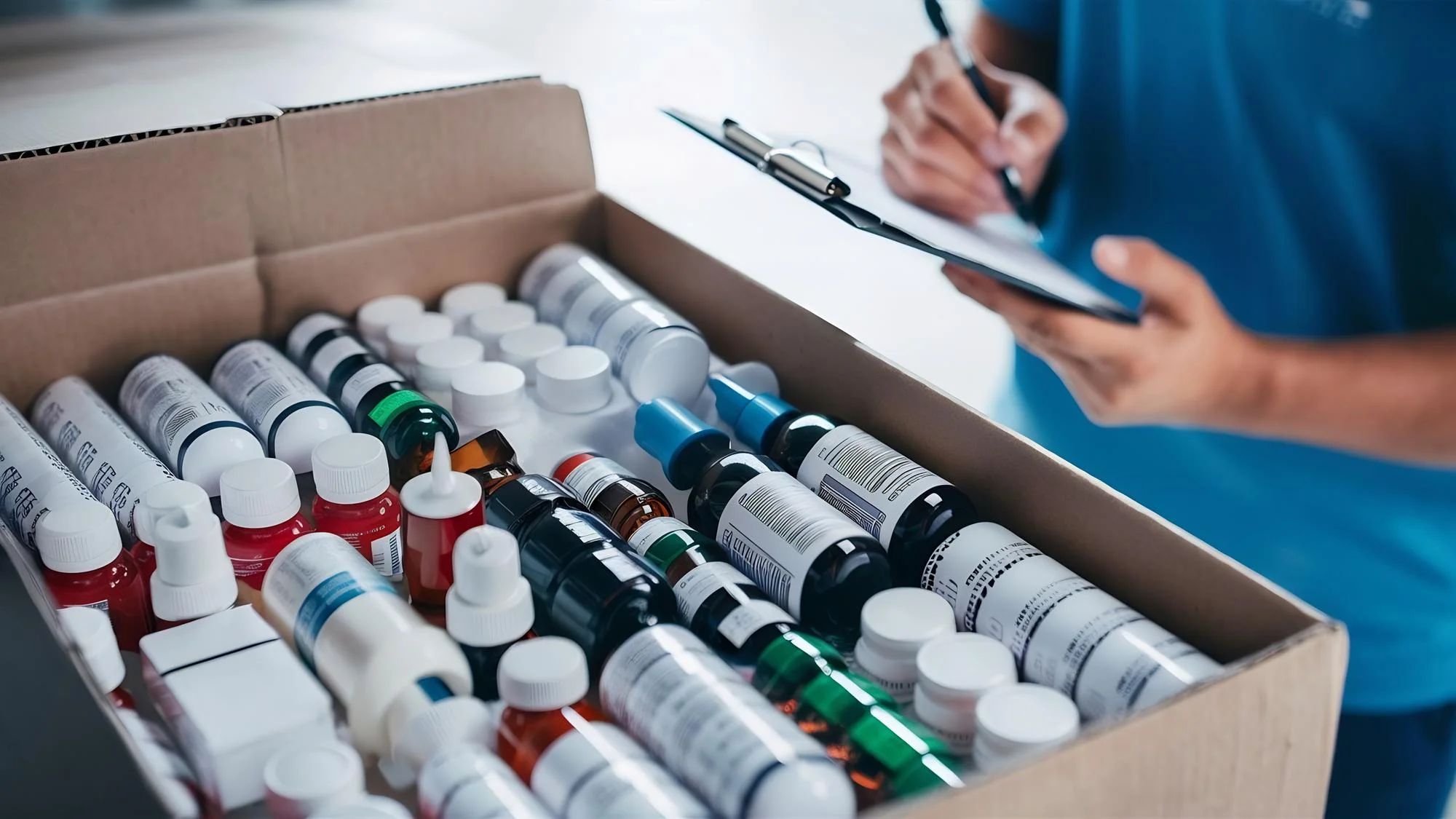


CAMER is primarily a pharmacy reporting system. Patients do not need to decide whether an event meets the legal definition before speaking up. The immediate task is to compare what was dispensed with the label, prescription information, and what the patient was told to expect.
Quick Answer
California requires covered community pharmacies to report qualifying medication errors that occur on or after September 1, 2025 through the California Medication Error Reporting system, known as CAMER. The State Board of Pharmacy approved the Institute for Safe Medication Practices to receive the reports. Under California law, a covered pharmacy submits a report no later than 14 days after discovering the error. Patients do not submit the pharmacy’s CAMER report themselves. If the patient name, drug or compounded preparation, strength, directions, dosage form, route, storage information, or another prescription detail seems wrong, contact the dispensing pharmacy promptly. If you have already taken a possibly incorrect medication or develop concerning symptoms, seek appropriate clinical or emergency help based on the situation.
What CAMER Is and Why California Uses It
Business and Professions Code section 4113.1 requires covered community pharmacies to report medication errors to an entity approved by the California State Board of Pharmacy. The Board selected the Institute for Safe Medication Practices for that role.
The CAMER portal went live in 2025, and the Board instructed pharmacies that qualifying errors occurring on or after September 1, 2025 must be reported. The system creates a consistent statewide reporting pathway for medication errors in outpatient pharmacy settings.
- Who reports?
- The legal reporting duty falls on covered community pharmacies, including pharmacies dispensing to outpatients under the statute.
- Who receives the report?
- The Board-approved entity is the Institute for Safe Medication Practices.
- When is it reported?
- No later than 14 days after the pharmacy discovers the qualifying medication error.
- Are reports public?
- Individual reports are confidential; the law allows deidentified summary information to be published.
CAMER Does Not Replace Pharmacy Quality Review
What California Counts as a Medication Error for CAMER Reporting
California law defines a medication error as an unauthorized variation from the prescription drug order. The statute gives several examples that are directly understandable to patients.
- Wrong drug
- The medication dispensed is not the medication ordered for the patient.
- Wrong dose
- The dispensed strength or dose does not match the authorized prescription.
- Wrong patient
- The prescription was dispensed for a different patient.
- Wrong directions
- The directions differ from the authorized prescription without a lawful basis.
- Wrong preparation
- The preparation dispensed differs from the authorized order.
- Wrong route
- The route of administration differs from what the prescriber authorized.
The definition does not include a variation corrected before dispensing to the patient or patient’s agent, and it does not include variations that are allowed by law.
Different Does Not Automatically Mean Wrong
If Something Looks Wrong, Start With the Detail You Can Identify
You do not need legal terminology when calling the pharmacy. Tell the pharmacist exactly what does not match: the patient name, medication name, strength, directions, dosage form, quantity, compounded preparation, label, or physical condition of the medication.
What looks wrong or unclear?
Name or label
Strength or directions
Compounded preparation
Already used it
For a compounded prescription, the patient may need to check more than a drug name. The preparation can include a specific strength, dosage form, route, storage instruction, and beyond-use date that are part of the prescription and dispensing information.
- Preparation identity
- Confirm the compounded preparation matches what the prescriber and pharmacy told you to expect.
- Strength and dosage form
- Review the labeled strength and whether the preparation is the expected cream, capsule, liquid, injection, troche, or other form.
- Directions and route
- Make sure the directions and route are clear before the first use.
- Storage and beyond-use date
- Review how the preparation should be stored and the date after which it should no longer be used.
Appearance Alone Is Not Enough
Six Questions to Ask When a Prescription Does Not Match
01. Can you confirm the patient name and prescription number on this container?
02. Can you confirm the medication or compounded preparation that was dispensed?
03. Is this the correct strength, dosage form, route, and set of directions?
04. If it looks different from my prior fill, what changed and why?
05. What should I do with the medication while the pharmacy reviews the concern?
06. If a replacement or prescriber clarification is needed, what happens next?
Ask Before Using a Prescription That Does Not Match
Fireside Pharmacy can review label details, strength, dosage form, directions, compounded preparation information, refill status, pickup, and delivery questions.
Use a 30-Second Prescription Receipt Check
Before putting a new or refilled prescription away, compare the label and medication with a few basic expectations. This is especially useful after a dose change, new prescription, pharmacy transfer, or compounded refill.
01. The patient name on the label is correct.
02. The medication or compounded preparation is what I expected.
03. The strength and dosage form match the current prescription information.
04. The directions and route are clear and match what I was told.
05. The storage instructions and beyond-use or expiration information are understood.
06. I know which pharmacy number to call if anything looks different or unclear.
If You Already Took a Possibly Incorrect Medication
Frequently Asked Questions
What does CAMER stand for?
CAMER stands for California Medication Error Reporting. It is the reporting system used for medication-error reports required under California Business and Professions Code section 4113.1.
When did California pharmacies have to start reporting through CAMER?
The California State Board of Pharmacy instructed covered pharmacies that qualifying medication errors occurring on or after September 1, 2025 must be reported through the CAMER system.
How quickly does a covered pharmacy report a medication error?
California law requires the covered community pharmacy to submit the report no later than 14 days after discovering the error.
Do patients submit CAMER reports themselves?
No. The CAMER reporting requirement is directed at covered pharmacies. Patients should contact the dispensing pharmacy promptly when something looks wrong and may use the California State Board of Pharmacy’s consumer complaint process separately when appropriate.
What if my compounded medication looks different from my last refill?
A different appearance does not automatically mean there is an error. Check the label, preparation, strength, dosage form, directions, storage information, and beyond-use date, then ask the dispensing pharmacy what changed if anything is unclear.
Medication Safety Starts With Checking What You Receive
Use the form above to request a call about a prescription label, strength, dosage form, directions, compounded preparation, refill, pickup, or delivery concern.