
Dermatology prescriptions often fit into a daily routine until the season changes. Then outdoor activity increases, cars get warmer, travel becomes more common, sunscreen and moisturizers are used more often, and swimming or exercise can affect application timing. That is a good reason to reread the current label and ask prescription-specific questions before changing the routine.
Quick Answer
Do not assume every dermatology prescription should be stored, applied, or protected from sunlight in the same way. Topical prescriptions can come as creams, ointments, gels, lotions, solutions, sprays, foams, patches, or compounded preparations, and the instructions can differ by medicine and dosage form. Some topical medicines carry specific sunlight or ultraviolet precautions. Others have directions about applying to dry skin, using a thin layer, washing hands afterward, avoiding eyes or mouth, not covering the treated area, avoiding direct heat, or separating the prescription from other topical products. Read the current pharmacy label and any medication-specific instructions before adding sunscreen, moisturizer, another prescription, an OTC acne product, cosmetic treatment, or a new application time. For compounded dermatology prescriptions, also check the active ingredients, strength or concentration, dosage form, beyond-use date, storage instructions, pump or applicator, and refill timing. California’s Board of Pharmacy requires compounding pharmacies to maintain validated storage and transportation processes for temperature-sensitive compounded preparations. If warm weather, travel, sun exposure, swimming, exercise, or another skin product changes the routine, ask the pharmacist or prescriber how the exact prescription should be handled.
Why Sun Season Is a Good Time to Review a Dermatology Prescription
Spring and summer can add variables that were not part of a winter routine. A topical prescription may now be used before outdoor activity, packed for a weekend trip, left in a warmer bathroom, carried in a work bag, or applied around sunscreen and moisturizer.
The prescription itself has not necessarily changed. The environment around it has. That is why the best first step is a label review rather than an automatic change in application or storage.
- More outdoor time
- Sunlight and ultraviolet precautions matter only when they apply to the exact medication, so check before assuming.
- More skin products
- Sunscreen, moisturizer, insect repellent, cosmetics, acne products, and other topicals can complicate application timing.
- Warmer storage spaces
- Cars, bags, bathrooms, sunny windows, and travel containers can expose a topical prescription to different conditions.
- More swimming and exercise
- Water, sweat, showering, and activity can change practical application timing for some products.
Sun Season Does Not Create One Rule for Every Dermatology PrescriptionSome prescriptions have specific sun precautions. Others do not. Follow the medication-specific label and instructions.
Start With the Dosage Form and Current Label
A dermatology prescription may be a cream, ointment, gel, lotion, solution, foam, spray, patch, or compounded preparation. The dosage form affects how the medication is measured, spread, stored, and packaged.
For a compounded topical, the current label can also identify active ingredients, strength or concentration, directions, storage, and the beyond-use date. Do not rely on how a previous fill looked or felt if the current formulation or container changed.
Which dermatology prescription question do you have?
- What dosage form did the pharmacy dispense, and did it change from the previous fill?
Which body area is the prescription intended for, and are there areas I should avoid?
How should the prescribed amount be measured or dispensed from the container?
Should the skin be clean, dry, damp, or otherwise prepared before application?
Should I wash my hands after applying it, or is the hand itself the treated area?
What storage condition and beyond-use or expiration date apply to this exact fill?
Clarify Where, How Much, and When to Apply It
Many topical medicine instructions use a small or thin amount, but the correct amount, treated area, frequency, and timing are medication-specific. Do not make a prescription stronger by applying more often or to a larger area than directed.
Some topical instructions tell patients to avoid eyes, mouth, mucous membranes, skin folds, broken skin, sunburned skin, or covered areas. Those restrictions are not universal, which is why the exact product directions matter.
- Application area
- Confirm whether the prescription is for the face, scalp, body, hands, feet, or another specific area.
- Amount
- Use the prescribed amount or measurement rather than adding extra product because the treated area feels dry or irritated.
- Timing
- Ask whether the prescription should be used morning, evening, after washing, before another product, or at another defined time.
- Handwashing
- Check whether hands should be washed after application and whether gloves or an applicator are part of the instructions.
Ask Whether the Prescription Has Sun, Heat, or Activity Precautions
Some topical prescriptions have explicit precautions related to sunlight or ultraviolet exposure. Others have precautions related to direct heat, exercise, bathing, swimming, or applying to sunburned or irritated skin.
For example, medication-specific instructions for some topical products advise limiting sunlight exposure, while other topical instructions focus on avoiding direct heat or use immediately around bathing or vigorous exercise. These examples show why a blanket “all skin medicines are sun-sensitive” rule is inaccurate.
- Sunlight or ultraviolet warning
- Ask whether the exact prescription has a sun precaution and what the prescriber recommends for treated skin.
- Direct heat warning
- Some topicals have specific warnings involving heating pads, hot tubs, saunas, hair dryers, or other heat sources.
- Swimming or showering
- Ask whether water or bathing affects application timing, removal, or reapplication for the specific product.
- Exercise or sweating
- Check whether vigorous activity or sweating changes when the medication should be applied.
Check Other Skin Products Before Layering Them
Summer routines can add sunscreen, moisturizer, acne products, cosmetic treatments, insect repellent, after-sun products, or another prescription to the same skin area. The order and spacing between products can matter, but there is no single sequence that applies to every dermatology prescription.
Some topical medicines have specific warnings about using other medicated skin products at the same time. Ask before adding a new OTC active ingredient or moving another topical into the same application window.
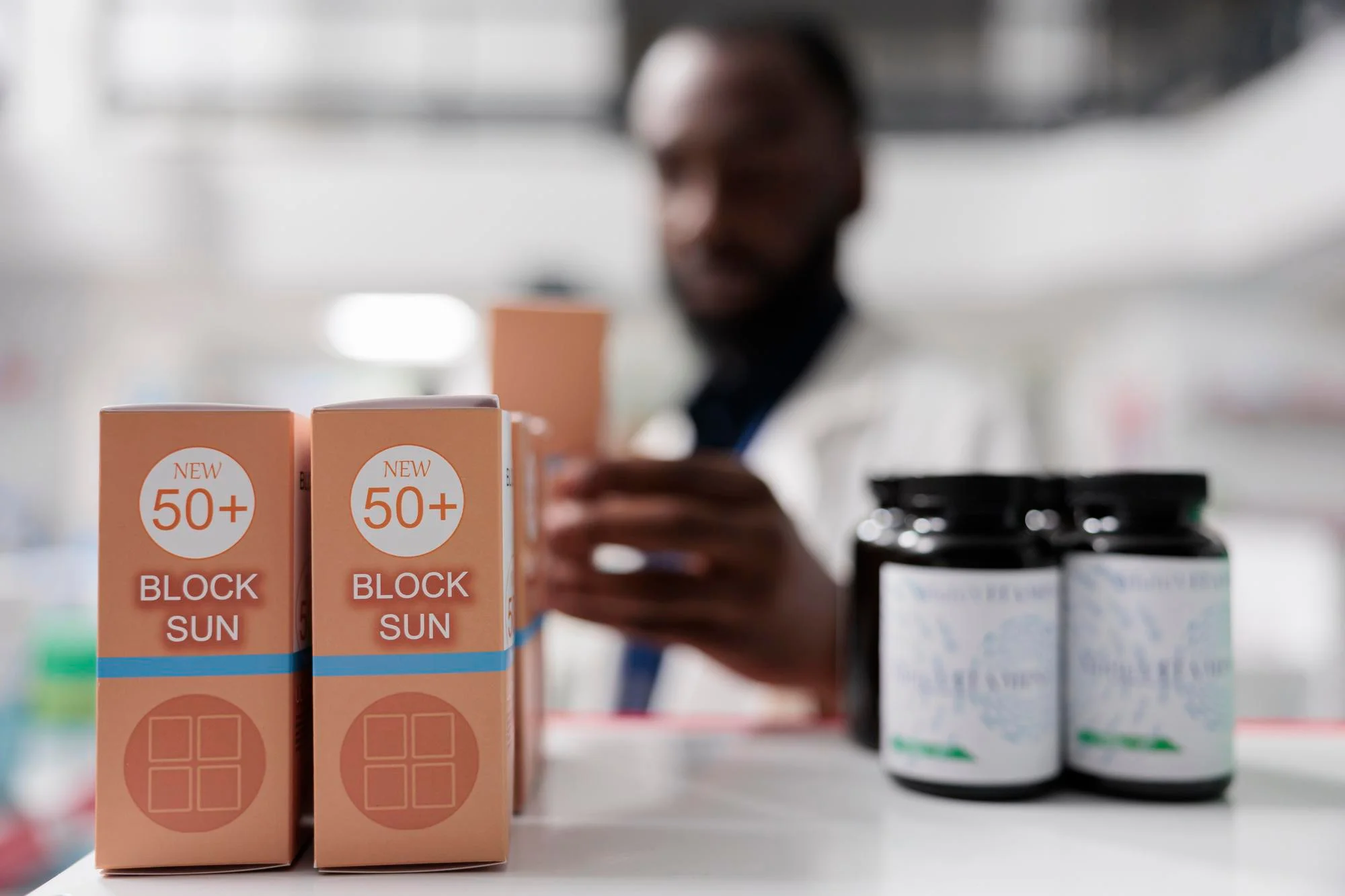
- SunscreenAsk whether it should be applied before or after the prescription and whether a waiting period is needed.
- MoisturizerAsk whether moisturizer can be used on the same area and how its timing relates to the prescription.
- OTC acne or exfoliating productReview active ingredients before adding them to skin already being treated with a prescription.
- Second prescription topicalConfirm which product goes first, where each is applied, and whether the applications need to be separated.
Recheck Storage, Pumps, and Warm-Weather Travel Habits
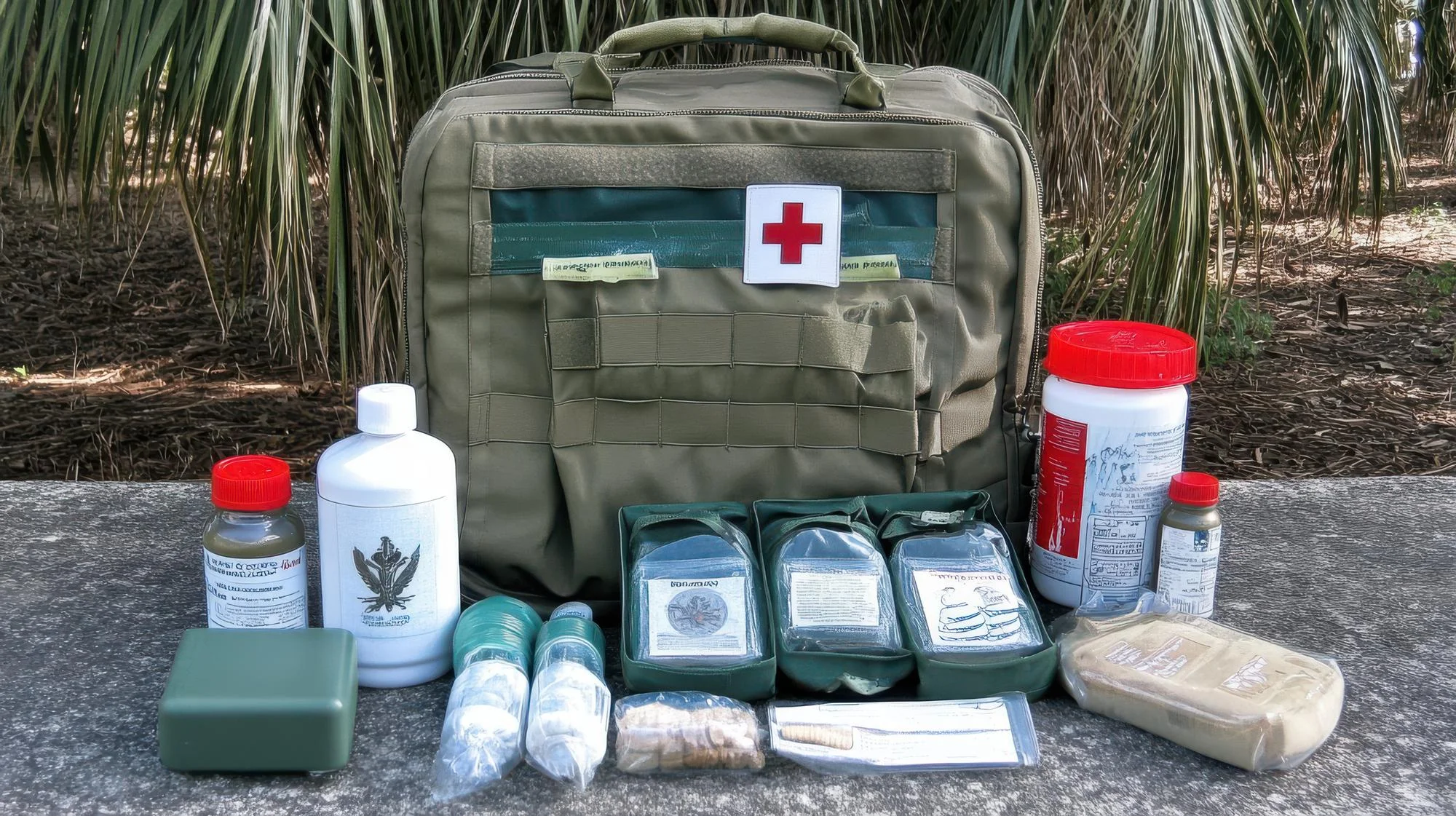
Topical dermatology prescriptions are often carried in purses, backpacks, gym bags, bathroom kits, or cars because they are used outside the home. Warm-weather travel can turn those temporary locations into the main storage location.
For temperature-sensitive compounded preparations, California’s Board of Pharmacy requires validated storage, shipping-container, and transportation procedures. Patients should still follow the exact label after pickup or delivery.
- Car or trunk
- Do not make a parked vehicle the routine storage location unless the labeled conditions are maintained.
- Bathroom or travel bag
- Check heat, humidity, light, and whether the container is tightly closed after each use.
- Pump or applicator
- Keep the device clean and use it according to pharmacy or product instructions; ask if priming or measured dispensing is unclear.
- Delivery or travel
- Ask how the prescription should be transported and what to do if it arrives or travels outside the expected condition.
Check the Label Before Sun Season Changes the Routine
Fireside Pharmacy can help review compounded dermatology prescriptions, storage labels, dosage forms, pumps, applicators, refill timing, pickup, and delivery questions.
A Sun-Season Dermatology Prescription Checklist
Use this list before changing how a topical prescription is stored, timed, or combined with summer skin products.
- Read the current pharmacy label and identify the dosage form, active ingredients, strength or concentration, application area, frequency, storage condition, and expiration or beyond-use date.
- Ask how the amount should be measured or dispensed from a tube, jar, pump, spray, patch, applicator, or compounded container.
- Confirm whether the exact prescription has sunlight, ultraviolet, direct-heat, swimming, bathing, exercise, or other activity precautions.
- Before layering sunscreen, moisturizer, cosmetics, OTC acne products, or another prescription, ask about order, spacing, and ingredient overlap.
- Keep topical prescriptions out of unsuitable warm-weather storage locations such as parked vehicles or overheated bags unless the labeled conditions are maintained.
- Contact the pharmacist or prescriber if the skin is sunburned, irritated, broken, unexpectedly reactive, or if the current directions no longer fit the patient’s routine.
Frequently Asked Questions
Do all dermatology prescriptions make skin more sensitive to sunlight?
No. Some topical prescriptions have specific sunlight or ultraviolet precautions, while others have different warnings. Check the exact medication instructions rather than assuming every dermatology prescription has the same sun effect.
Can I apply sunscreen or moisturizer over a prescription cream?
Sometimes, but the order and timing can depend on the medication and treated area. Ask the pharmacist or prescriber how sunscreen or moisturizer should fit around the exact prescription.
Should I apply more topical medication if my skin feels worse after being outside?
Do not increase the amount or frequency on your own. Follow the current directions and contact the prescriber or pharmacist if the treated skin becomes more irritated or the routine needs to change.
Can I keep a prescription cream in my car during summer?
Do not use a parked vehicle as routine storage unless the medication’s labeled storage conditions can be maintained. Ask the pharmacy about transport if you need to carry the medication during the day.
What should I check on a compounded dermatology prescription before a summer trip?
Review the active ingredients, strength or concentration, dosage form, directions, beyond-use date, storage instructions, pump or applicator, refill timing, and how the medication should be transported.
Keep the Dermatology Routine Prescription-Specific Through the Sunny Months
Use the form above to request a call about compounded dermatology prescriptions, application instructions, storage, pumps, applicators, refill timing, pickup, or delivery.