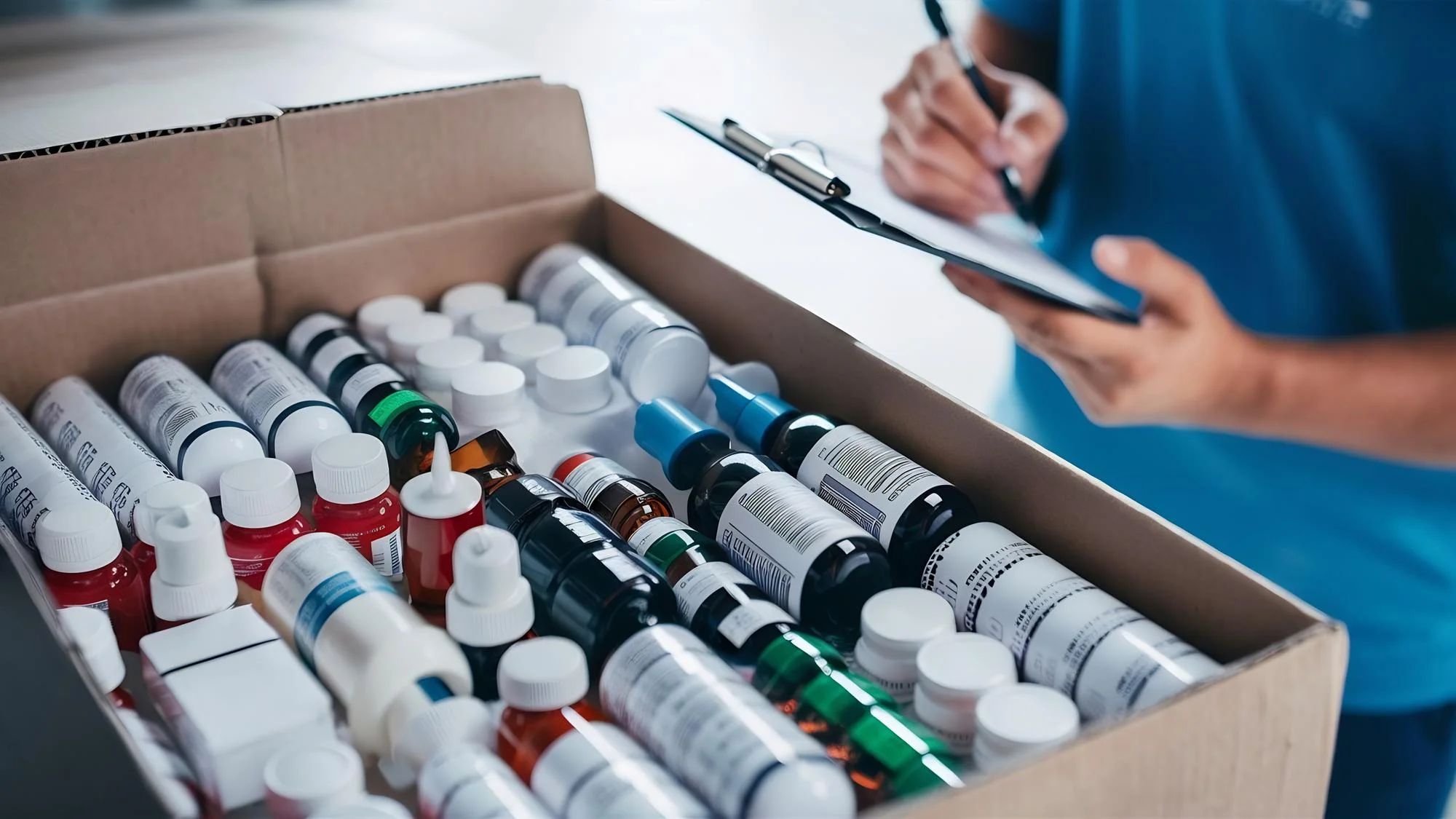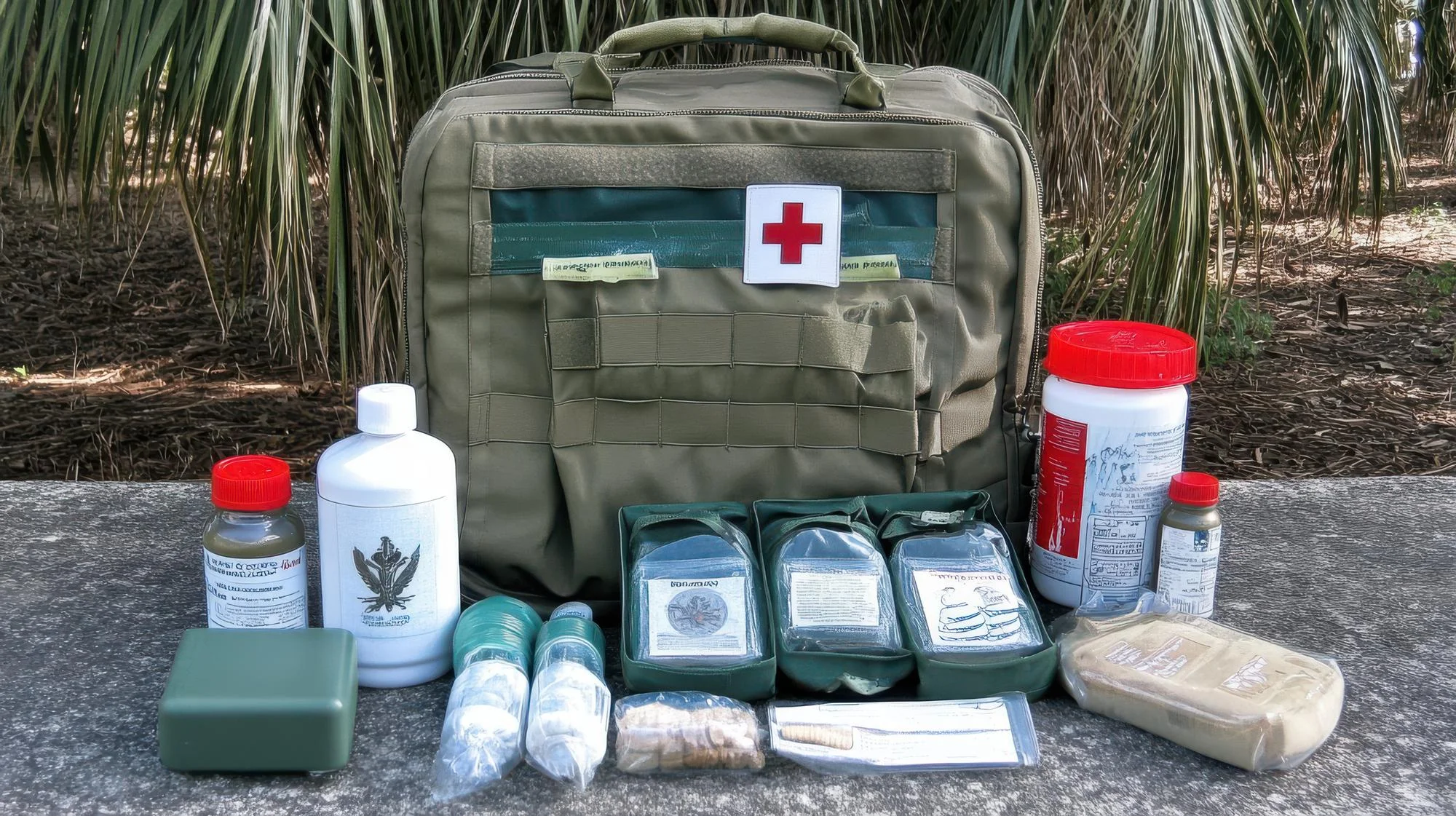


Wildfire evacuation planning works best before there is smoke at the window or an alert on the phone. Prescription readiness is part of that planning. The California State Board of Pharmacy advises patients to prepare a waterproof care kit with medication information and at least one week’s supply of prescription medication. For compounded, refrigerated, specialty, or difficult-to-replace prescriptions, that seven-day target needs a little more preparation.
Quick Answer
Build the prescription portion of an evacuation kit before wildfire conditions become urgent. The California State Board of Pharmacy recommends a waterproof patient-care kit containing medical contacts, a complete medication and allergy list, at least one week’s supply of prescription medications, copies of prescriptions, insurance information, and specialized health items. The Board also advises people who use refrigerated medicines to have a cooler with ice packs available. A seven-day supply is a preparedness target, not permission to obtain an early refill or change the prescribed quantity independently. Refill timing, prescription status, insurance limits, medication type, controlled-substance rules, prescriber authorization, and pharmacist judgment can affect what can be dispensed. Review the plan early. Keep medications in their original labeled containers, rotate the emergency supply so it remains current, include dosing tools for compounded liquids or other special dosage forms, and know how the medication should be protected from heat, water, freezing, or refrigeration changes. If an evacuation happens, take the medications with you and follow official evacuation instructions first.
Why Build a Seven-Day Prescription Plan Before Wildfire Season Intensifies?
California’s Board of Pharmacy tells consumers preparing for an emergency evacuation to keep at least one week’s supply of prescription medications in a patient-care kit and to periodically use and replenish that supply so it stays current and does not expire.
CDPH wildfire guidance also tells Californians to prepare an emergency kit with medications, prescription copies, and medical supplies. For people with asthma or another lung disease, CDPH specifically recommends keeping at least a seven-day supply of medication available during wildfire conditions.
- Seven days creates a planning window
- A week of current medication can reduce immediate refill pressure if roads, pharmacies, clinics, or delivery routes are disrupted.
- Evacuations can happen quickly
- A prepared kit avoids searching through cabinets and refrigerators while an evacuation order is active.
- Some prescriptions take time to replace
- Compounded, specialty, refrigerated, or prescriber-dependent medications may need more coordination than a common stock prescription.
- Records travel with the patient
- A current medication list and pharmacy contact can help another pharmacy or healthcare provider understand the regimen.
A Seven-Day Plan Is a Preparedness Goal, Not an Automatic Early-Refill Right
Check Supply and Refill Timing Before Fire Conditions Escalate
Start with the prescription label and the amount actually on hand. Compare the next refill date with the medication needed for a seven-day evacuation window.
If the supply is short, contact the pharmacy early. Do not change the dose, skip doses to “save” medication, request a different quantity without authorization, or assume an emergency rule will solve the problem later.
What needs attention in your seven-day plan?
01. How many days of each current prescription are actually on hand today?
02. When is the next authorized refill date, and will that timing leave at least seven days available?
03. Does the prescription need a new prescriber order, prior authorization, or pharmacy preparation time?
04. For a compounded prescription, will the beyond-use date cover the emergency supply window?
05. Are any medicines controlled substances or otherwise subject to refill restrictions that need early discussion?
06. Who should be contacted if evacuation occurs before the next routine refill can be completed?
Do Not Create an Emergency Reserve by Skipping or Spreading Out Prescribed Doses
Build a Waterproof Patient-Care Kit Around the Prescription List
The Board recommends packing a waterproof patient-care kit with medical contacts, a complete list of current medications and allergies, copies of prescriptions, insurance cards, and specialized health items.
For Fireside patients using compounded medication, add enough information to identify the
- Original labeled medication
- Keep the pharmacy label with the prescription rather than moving medication into an unmarked emergency container.
- Current medication list
- Include prescription names, active ingredients when known, strength or concentration, directions, allergies, and regularly used OTC products.
- Pharmacy and prescriber contacts
- Save phone numbers, prescription numbers, clinic information, and after-hours contact instructions.
- Prescription and insurance copies
- Keep copies of prescriptions when available and current insurance, Medi-Cal, or Medicare information.
- Dosing tools
- Pack the correct oral syringe, dropper, applicator, measuring device, or other administration tool used with the medication.
- Special health supplies
- Include medication-related supplies such as batteries, catheters, oxygen-related items, or other equipment the patient routinely needs.
The Medication Bag Should Explain the Regimen Even if the Regular Pharmacy Cannot Be Reached
Plan for Refrigerated and Temperature-Sensitive Prescriptions
The Board advises patients who use medications requiring refrigeration to have a cooler with ice packs available. That is a preparedness starting point, not a universal packing method for every refrigerated or compounded prescription.
Ask the dispensing pharmacy how the exact medication should be transported, whether direct contact with frozen packs should be avoided, how long the planned transport method is appropriate, and what to do after a power outage or temperature excursion.
- Cooler ready
- Keep an appropriate cooler available if the prescription requires refrigeration during evacuation.
- Exact packing instructions
- Ask how to position the medication, cooling material, and insulation for the specific prescription.
- Power outage plan
- Know what to record and whom to call if the home refrigerator loses power before evacuation.
- Shelter or hotel storage
- Ask how the medication should be stored at the destination if normal refrigeration or controlled storage is uncertain.
“Keep It Cold” Is Not Specific Enough for a Temperature-Sensitive Prescription
Prepare for a Closed Pharmacy or Interrupted Delivery Route
An evacuation can move a patient outside the regular pharmacy’s delivery area or make a usual route temporarily inaccessible. The Board’s disaster-planning guidance points patients to Rx Open to find operating pharmacies in disaster-affected areas and advises calling ahead because conditions can change quickly.
California law also contains emergency refill provisions in some circumstances when a prescriber is unavailable and interruption of ongoing care could significantly affect a patient’s well-being. Those provisions depend on the prescription and pharmacist judgment and should not be treated as a guaranteed substitute for advance planning.
- Regular pharmacy unavailable
- Keep the pharmacy name, prescription number, medication list, and prescriber contact ready for another pharmacy.
- Delivery cannot reach the home
- Ask whether pickup, an alternate delivery address, or another authorized route may be available during the emergency.
- Refill becomes urgent
- Contact a pharmacy and prescriber as soon as practical rather than waiting until the last dose.
- Emergency refill question
- Let the pharmacist review the prescription, prescriber availability, legal requirements, and patient-care circumstances.
Build the Medication Plan Before the Evacuation Alert
Fireside Pharmacy can help review refill timing, compounded prescriptions, medication lists, refrigeration, delivery, pickup, and emergency backup questions.
A Seven-Day Prescription Evacuation Checklist
Use this list before wildfire conditions threaten your area.
01. Count the current supply of every prescription and compare it with a seven-day evacuation window.
02. Ask the pharmacy early if refill timing, insurance, controlled-substance rules, prescriber authorization, or compounding lead time makes the seven-day target difficult.
03. Keep current medication in original labeled containers and rotate the emergency supply so it remains within the expiration or beyond-use date.
04. Pack a waterproof medication and records bag with a medication list, allergies, pharmacy and prescriber contacts, prescription copies, insurance information, and dosing tools.
05. For refrigerated or temperature-sensitive medication, prepare the pharmacy-approved transport and backup-cooling plan before a power outage or evacuation.
06. Know how to locate an operating pharmacy if the regular location or delivery route is disrupted, and follow official evacuation instructions immediately when ordered.
Frequently Asked Questions
Does California recommend keeping a seven-day supply of prescription medication for evacuation?
Yes. The California State Board of Pharmacy’s consumer disaster-planning guidance recommends at least one week’s supply in a patient-care kit and advises rotating that supply so it stays current.
Can I refill every prescription early just because wildfire season is approaching?
Not automatically. Refill authorization, insurance timing, medication type, controlled-substance rules, prescriber requirements, and pharmacist judgment can affect what can be dispensed. Ask the pharmacy before the supply becomes urgent.
What should go in the medication portion of an evacuation kit?
Include current labeled prescriptions, a medication and allergy list, pharmacy and prescriber contacts, prescription copies when available, insurance information, dosing tools, and any medication-related medical supplies.
How should I evacuate with a refrigerated compounded prescription?
Ask the dispensing pharmacy for preparation-specific transport instructions. Have a cooler available when refrigeration is required, but do not assume direct contact with ice or frozen packs is appropriate for every medication.
What if my regular pharmacy is closed after I evacuate?
Use current pharmacy and prescriber information to contact another operating pharmacy, and use disaster pharmacy-status resources such as Rx Open when available. Emergency refill options can depend on the prescription and pharmacist judgment.
Make the Seven-Day Prescription Plan Before Wildfire Conditions Make It Urgent
Use the form above to request a call about refill timing, compounded prescriptions, refrigeration, medication lists, delivery, pickup, or emergency backup planning.