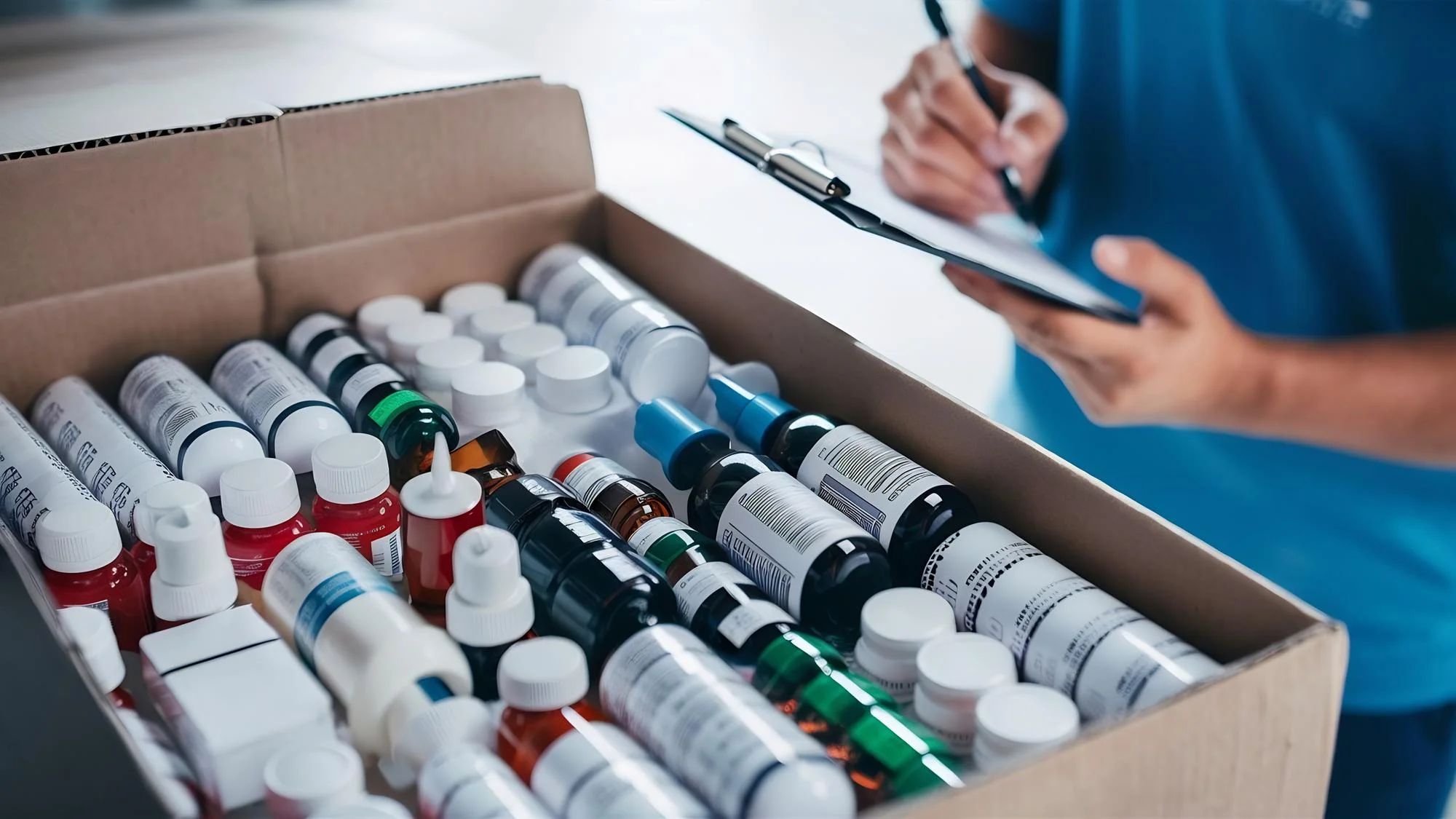

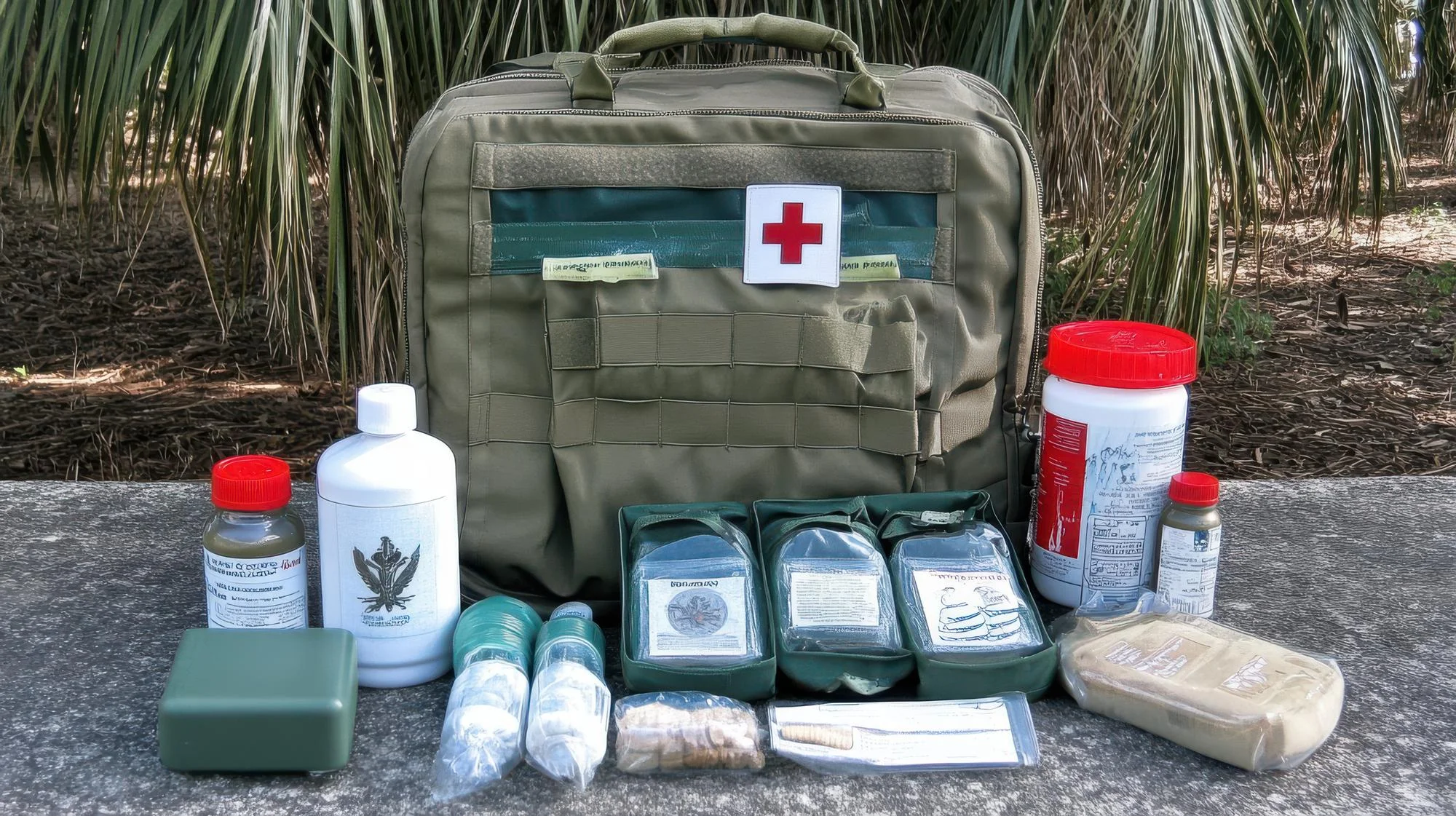
Respiratory-season preparation is most useful when it starts with the medications a household already uses. An expired inhaler, an empty device supply, or a refill that falls on a holiday weekend is easier to address in November than after someone becomes ill.
Quick Answer
California entered November 2025 with statewide guidance for the 2025–26 respiratory-virus season and a reminder to prepare before winter gatherings. A medication-readiness plan should start with ordinary pharmacy tasks: check how much remains in regular prescriptions, confirm refill status, review respiratory medicines and devices, keep current pharmacy and prescriber contacts, compare refill dates with travel or holiday closures, and read OTC active ingredients before combining cold or flu products. Do not change a prescription dose, stretch a supply, restart an old medication, or order extra medication solely because winter is approaching.
California’s 2025–26 Winter Guidance Was Already in Place by November
The California Department of Public Health published respiratory-season guidance in October 2025 covering influenza, RSV, and COVID-19, and encouraged Californians to prepare before winter gatherings.
For a pharmacy patient, that public-health message has a practical medication side. Winter can bring travel, altered pharmacy hours, illness in the household, and more frequent use of respiratory or OTC products. Those routine changes can expose prescription problems that were easy to miss during a normal week.
- Regular prescriptions
- Check supply and refill status before holiday hours affect access.
- Respiratory medicines
- Review inhalers, nebulized medications, devices, and related supplies when applicable.
- OTC products
- Compare active ingredients before combining multi-symptom cold or flu medicines.
- Travel
- Move refill and storage questions earlier when Thanksgiving or December travel is planned.
Public-Health Guidance Is Not a Prescription Change
Build the Readiness Plan Around the Medication Issue Most Likely to Cause Trouble
You do not need a large emergency stockpile. The useful question is which routine medication problem would be hardest to solve during a winter illness, trip, or holiday closure.
Choose the area you need to review
Routine prescriptions
Respiratory medicines
Holiday travel
Household or caregiver
Check Prescriptions, Respiratory Devices, and Supplies Before Someone Gets Sick
A medication can be current while the equipment needed to use it is not. Patients who rely on inhalers, nebulizers, spacers, masks, tubing, or other prescribed devices should include those items in the November review.
Check current labels and the actual medication supply rather than relying on memory. If a prescription has no refills remaining, the pharmacy may need to contact the prescriber or ask the patient to do so before the next fill can be completed.
- Medication supply
- Count what is actually on hand and compare it with the next refill date.
- Remaining refills
- Identify prescriptions that may need renewal before Thanksgiving or December travel.
- Devices and accessories
- Check that routine respiratory equipment and supplies are present and usable.
- Storage instructions
- Review temperature or handling requirements before a trip or change in routine.
Do Not Stretch a Prescription on Your Own
Review OTC Cold and Flu Products Before You Need Them
Multi-symptom cold and flu products can contain several active ingredients. Two products with different brand names or front-label claims may contain the same pain reliever, cough ingredient, decongestant, or other medicine.
Read the active-ingredient panel before combining OTC products. If you use prescription medicines or have health conditions that may affect which OTC ingredients are appropriate, ask a pharmacist or clinician before adding a new product.
01. What are the active ingredients in each OTC product I already have?
02. Do two products contain the same ingredient?
03. Could an OTC ingredient conflict with one of my regular prescriptions?
04. Is an old cold or flu product expired or no longer clearly labeled?
Check Routine Prescription Problems While There Is Still Time
Fireside Pharmacy can help with refill timing, prescription status, respiratory medication questions, storage, transfer, pickup, and delivery.
Holiday Travel Can Move the Practical Refill Deadline Forward
A prescription that would normally be filled on schedule can become a problem if the patient will be away, the pharmacy will be closed, or the medication requires special storage during the trip.
Before leaving, check how much medication is available, the next refill date, remaining refills, the dispensing pharmacy, and any storage instructions. Keep current pharmacy and prescriber contact information with the medication list.
Early Refill Is Not Automatic
A November Medication Readiness Checklist
Use this list before Thanksgiving travel or before winter schedules become harder to coordinate.
01. Count the supply remaining in regular prescriptions.
02. Check whether any prescription has no refills remaining.
03. Review inhalers, nebulized medications, devices, and supplies when applicable.
04. Save current pharmacy and prescriber contact information.
05. Compare refill dates with Thanksgiving, December travel, and expected pharmacy closures.
06. Read OTC active ingredients before combining cold or flu products.
Frequently Asked Questions
Why is November a useful time for a winter medication review?
November comes before many holiday closures and trips and before winter respiratory activity is typically at its busiest. It gives patients more time to resolve normal refill, device, storage, and prescription-status questions.
Should I order extra prescription medication because winter is coming?
Do not stockpile or exceed the authorized prescription. Check whether the normal supply will last through planned travel or closures and contact the pharmacy if refill timing may create a gap.
What should I check if I use an inhaler or nebulized medication?
Review the prescribed medication supply together with the equipment and accessories needed to use it, such as a spacer, mask, tubing, or nebulizer components when applicable.
Can I combine two different cold and flu products?
Some products contain overlapping active ingredients. Compare the ingredient labels and ask a pharmacist before combining products if you are uncertain.
What should I do if a refill falls during holiday travel?
Contact the pharmacy early. Refill timing can depend on the prescription, insurer, prescriber, medication, and travel schedule, so a specific early-fill result cannot be assumed.
Handle the Prescription Basics Before Winter Gets Busier
Use the form above to request a call about refill timing, respiratory medications, storage, holiday travel, transfer, pickup, or delivery.