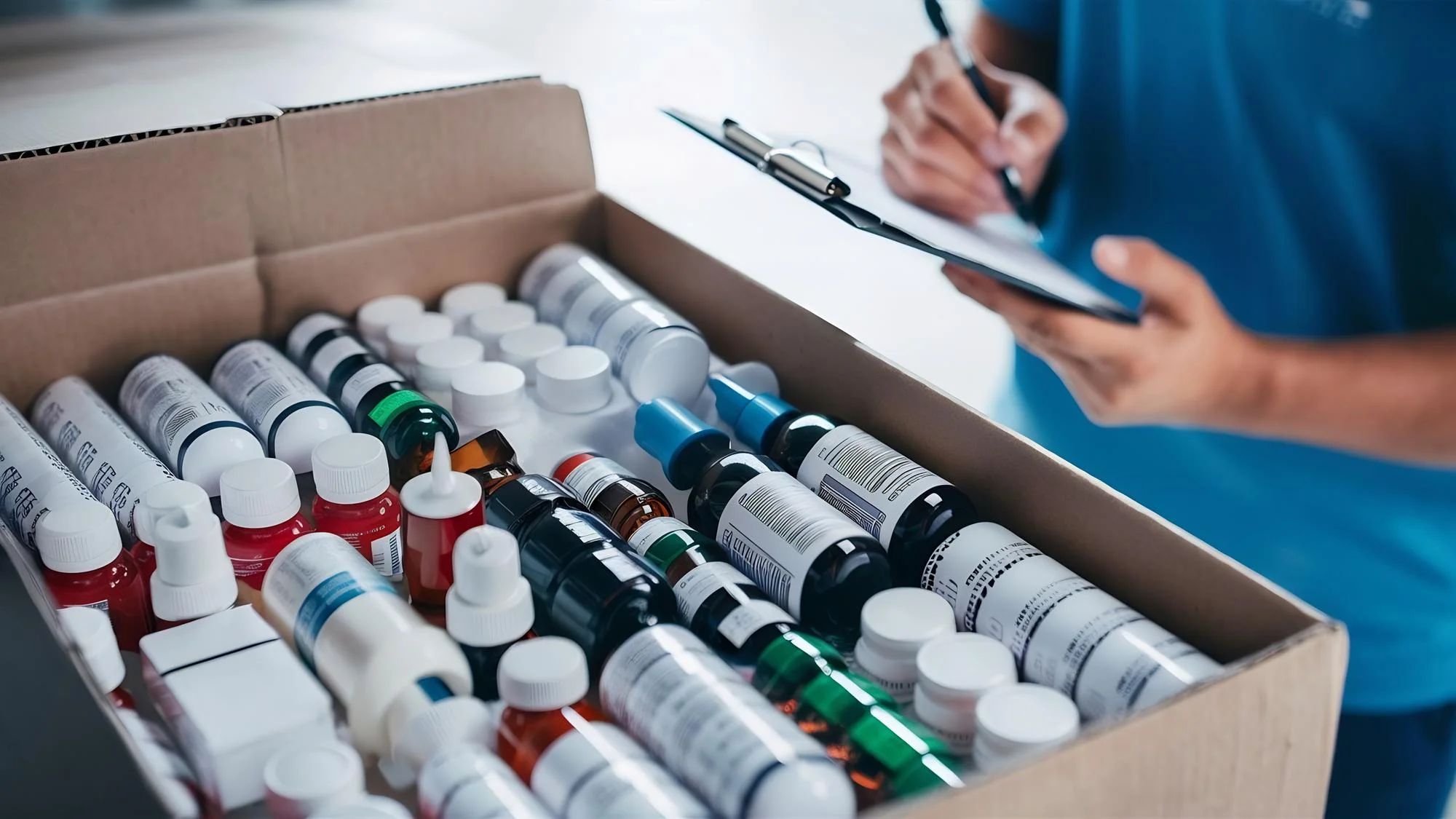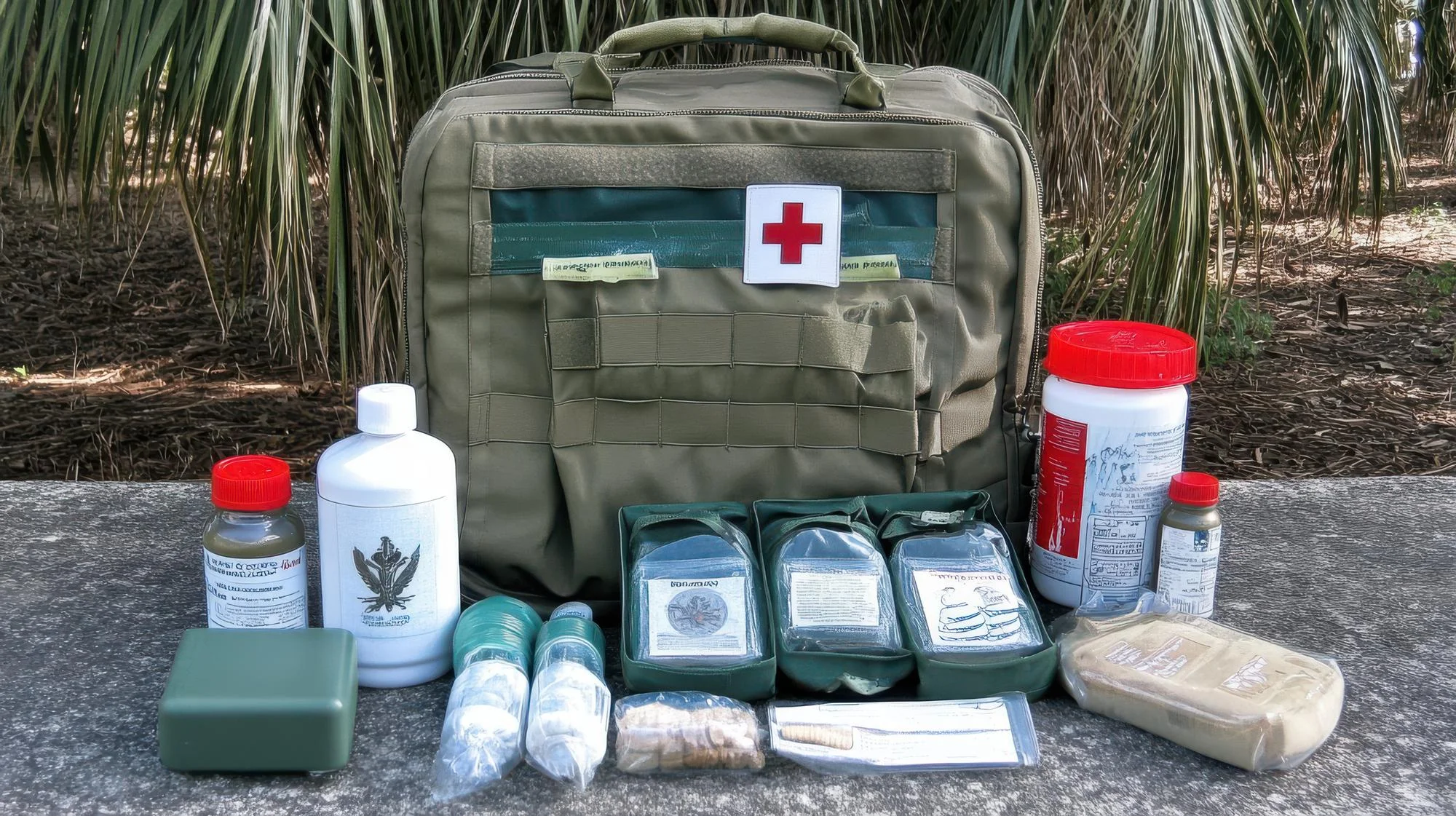


Extreme heat creates several medication questions at once, but they should not be answered with one blanket rule. A medication can affect how a person handles heat. The medication itself can also be damaged by high temperature. A patient may have a fluid restriction that makes ordinary hydration advice inappropriate. And a refill may become harder to pick up or receive during a heat emergency. The safest plan separates those questions and sends each one to the right professional.
Quick Answer
Use extreme heat as a trigger to review three different parts of a complex medication plan: how the patient may respond to heat, how the medication or device must be stored, and whether the next refill or delivery could become difficult. CDC’s heat-and-medication guidance notes that some medicines can affect thirst, sweating, blood pressure, kidney function, cognition, or temperature regulation, and that dehydration can change the risk profile of certain medications. That does not mean a patient should stop, skip, or change a medication during hot weather. Any medication or fluid adjustment should be individualized with the healthcare provider. CDPH specifically advises people who have been prescribed a fluid-restricted diet or who take diuretics to consult their doctor before changing fluid intake. Storage is a separate pharmacy question: follow the current label and preparation-specific instructions, keep medication out of excessively hot environments, and ask how temperature-sensitive or compounded prescriptions should be handled. Refill timing is another separate question. If extreme heat may make pickup, travel, shipping, or home delivery difficult, contact the pharmacy before the supply becomes low rather than waiting for the hottest day.
Separate the Three Heat Questions
The phrase “heat and medication” can hide three very different problems. Separating them prevents storage advice from being mistaken for clinical advice or hydration advice from being applied to someone with a fluid restriction.
Which heat question are you trying to solve?
Heat and my medication plan
Hydration or fluid restriction
Medication storage
Refill or delivery timing
New symptoms in the heat
- Patient heat response
- Some medicines can affect sweating, thirst, blood pressure, alertness, kidney function, or temperature regulation.
- Hydration plan
- Fluid intake may need individualized guidance when a patient has a fluid restriction, heart or kidney condition, or takes certain medications.
- Medication storage
- Heat can degrade some medicines or damage delivery devices, so the current pharmacy label and product-specific instructions matter.
- Prescription access
- Extreme heat can affect pickup, transportation, delivery timing, and the handling of temperature-sensitive shipments.
One Heat Alert Can Create Three Different Medication Decisions
Ask Whether Heat Interacts With the Medication Plan
CDC’s clinician guidance explains that some medications can affect the body’s ability to handle heat. Examples include medicines that can reduce thirst, alter sweating, lower blood pressure, affect kidney function, change alertness, or interfere with temperature regulation.
The list is not a reason to self-identify one medicine as “unsafe in heat.” Risk depends on the medication, dose, combinations, health conditions, level of heat exposure, and the individual patient.
01. Does any current medication affect thirst, sweating, blood pressure, kidney function, alertness, or temperature regulation?
02. Does the patient take several medications that could have additive effects during heat exposure?
03. Is the patient older, pregnant, working outdoors, or living with a condition that already increases heat risk?
04. Has the healthcare provider already given a hot-weather medication or Heat Action Plan?
05. Are there symptoms such as dizziness, fainting, confusion, weakness, or another change that needs clinical review?
06. Who should be contacted if the patient cannot stay cool or symptoms worsen during the heat event?
A Medication Can Change Heat Risk Without Needing an Automatic Dose Change
Do Not Change Hydration or Fluid Restrictions on Your Own
General heat advice often says to drink more fluid, but that is not universal medical advice. CDPH specifically tells people who have been prescribed a fluid-restricted diet or who take diuretics to consult their doctor about fluid intake during hot weather.
CDC likewise advises clinicians to individualize fluid plans when medications, dehydration risk, electrolyte balance, kidney function, heart conditions, or other health factors complicate ordinary hydration advice.
- Fluid restriction
- Ask the treating clinician what hot-weather fluid plan applies rather than overriding the prescribed restriction.
- Diuretic use
- Do not independently increase fluids or stop the medication; ask the clinician how the heat plan should account for the prescription.
- Electrolyte questions
- Do not add salt tablets, electrolyte supplements, or large amounts of sports drinks solely because the weather is hot without appropriate guidance.
- Vomiting or poor intake
- Contact the healthcare provider when illness, dehydration, or inability to keep fluids down changes the patient’s usual plan.
“Drink More” Is Not a Safe Universal Instruction for Every Complex Medication Plan
Check the Exact Storage and Device Instructions
Heat can also affect the medication itself. CDC notes that some medications and delivery devices can be damaged by excessive heat. The practical pharmacy step is to follow the current label and ask about the exact product rather than applying one storage rule to every prescription.
- Room-storage medication
- Keep it within the labeled storage condition and away from parked vehicles, direct sun, or other unusually hot environments.
- Refrigerated medication
- Use the preparation-specific refrigeration and outage plan rather than assuming every refrigerated prescription uses the same cooler method.
- Inhaler or delivery device
- Check device-specific storage instructions because excessive heat can damage some pressurized or temperature-sensitive devices.
- Compounded prescription
- Use the pharmacy label, beyond-use date, storage condition, and preparation-specific transport guidance for the exact formulation.
Heat Storage Is a Product Question, Not a Weather Guess
Move Refill and Delivery Questions Ahead of the Heat Event
Heat does not automatically create a right to an early refill, but it can make ordinary access harder. A patient may be avoiding travel, a caregiver may need to pick up the medication, a delivery may sit outside, or a temperature-sensitive shipment may require tighter timing.
- Remaining supply
- Check how many days remain before the next hot-weather period rather than waiting for the final doses.
- Authorized refill
- Confirm whether another fill is available or whether a prescriber renewal, prior authorization, or payer review is required.
- Pickup plan
- Ask whether an authorized caregiver can pick up the prescription if the patient should limit travel during extreme heat.
- Delivery window
- Choose a delivery arrangement that reduces the time a package may sit outdoors or in an uncontrolled environment.
- Temperature-sensitive shipment
- Confirm the pharmacy’s shipping, tracking, receipt, and temperature-excursion instructions before the parcel leaves.
- Compounding lead time
- Ask whether the preparation needs additional time so a heat event does not turn a routine refill into an urgent request.
Extreme Heat Can Change the Access Plan Without Changing the Prescription
Know Whether to Call the Pharmacist or Prescriber
Complex heat questions are easier to resolve when the patient sends each issue to the professional who can act on it.
- Call the pharmacist
- Use the pharmacy for storage labels, temperature excursions, refill status, prescription supply, compounding questions, device storage, pickup, and delivery.
- Call the prescriber
- Use the healthcare provider for hydration restrictions, medication-dose questions, heat-related symptoms, clinical monitoring, or a personalized hot-weather plan.
- Use urgent medical care
- Seek prompt evaluation when symptoms are concerning or the healthcare provider’s plan directs urgent care.
- Use emergency services
- Confusion, fainting, severe weakness, loss of consciousness, very high body temperature, or another emergency symptom should not wait for routine pharmacy advice.
The Pharmacist Protects Medication Access; the Prescriber Owns Clinical Adjustments
Separate Storage, Hydration, and Refill Questions Before the Hottest Days
Fireside Pharmacy can help review storage labels, compounded prescriptions, temperature-sensitive medications, refill timing, pickup, delivery, and medication-access questions.
An Extreme-Heat Medication Planning Checklist
Use this list before a forecasted heat event if the patient takes several medications, has a fluid restriction, uses temperature-sensitive prescriptions, or depends on medication delivery.
01. Separate the heat plan into three questions: how heat may affect the patient, how the medication or device must be stored, and whether refill or delivery access could be disrupted.
02. Ask the prescriber whether any medication in the current regimen changes heat risk or requires an individualized hot-weather plan; do not stop, skip, or change doses independently.
03. If the patient has a fluid restriction, takes a diuretic, or has a condition that complicates hydration, ask the clinician what fluid plan applies instead of using a generic “drink more” rule.
04. Review the current pharmacy label for storage instructions and ask about temperature-sensitive, compounded, pressurized, or refrigerated products before using a cooler or other backup method.
05. Check remaining supply, authorized refills, prescriber renewals, prior authorization, compounding lead time, pickup options, and delivery timing before the hottest part of the heat event.
06. Know which questions belong with the pharmacy and which belong with the healthcare provider, and seek urgent or emergency medical care for severe heat-related symptoms.
Frequently Asked Questions
Should I drink more water during extreme heat if I take several medications?
Not automatically. General heat advice may not fit people with fluid restrictions, heart or kidney conditions, or certain medications. CDPH advises people on a fluid-restricted diet or diuretics to consult their doctor about fluid intake during hot weather.
Should I stop a medication if I read that it can increase heat risk?
No. Do not abruptly stop or change a medication because of a general heat-risk list. Ask the prescriber whether the current regimen needs an individualized hot-weather plan.
Can a pharmacist tell me how to change my fluid restriction during a heat wave?
Fluid restrictions and clinical hydration changes should be reviewed with the treating healthcare provider. The pharmacist can help explain medication information and identify which prescriptions may be relevant to that discussion.
Does every medication need refrigeration during extreme heat?
No. Follow the storage condition on the current pharmacy label. Refrigerating a medication that is not meant to be refrigerated can be inappropriate, just as leaving a temperature-sensitive prescription in excessive heat can be harmful.
Can I get an early refill just because extreme heat is forecast?
Not automatically. Refill timing depends on the prescription, remaining refills, prescriber authorization, payer rules, controlled-medication requirements, and pharmacy circumstances. Contact the pharmacy early if heat may make normal pickup or delivery difficult.
Use the Heat Forecast to Ask Better Medication Questions
Use the form above to request a call about storage, temperature-sensitive or compounded prescriptions, refill timing, pickup, delivery, or medication-access questions.