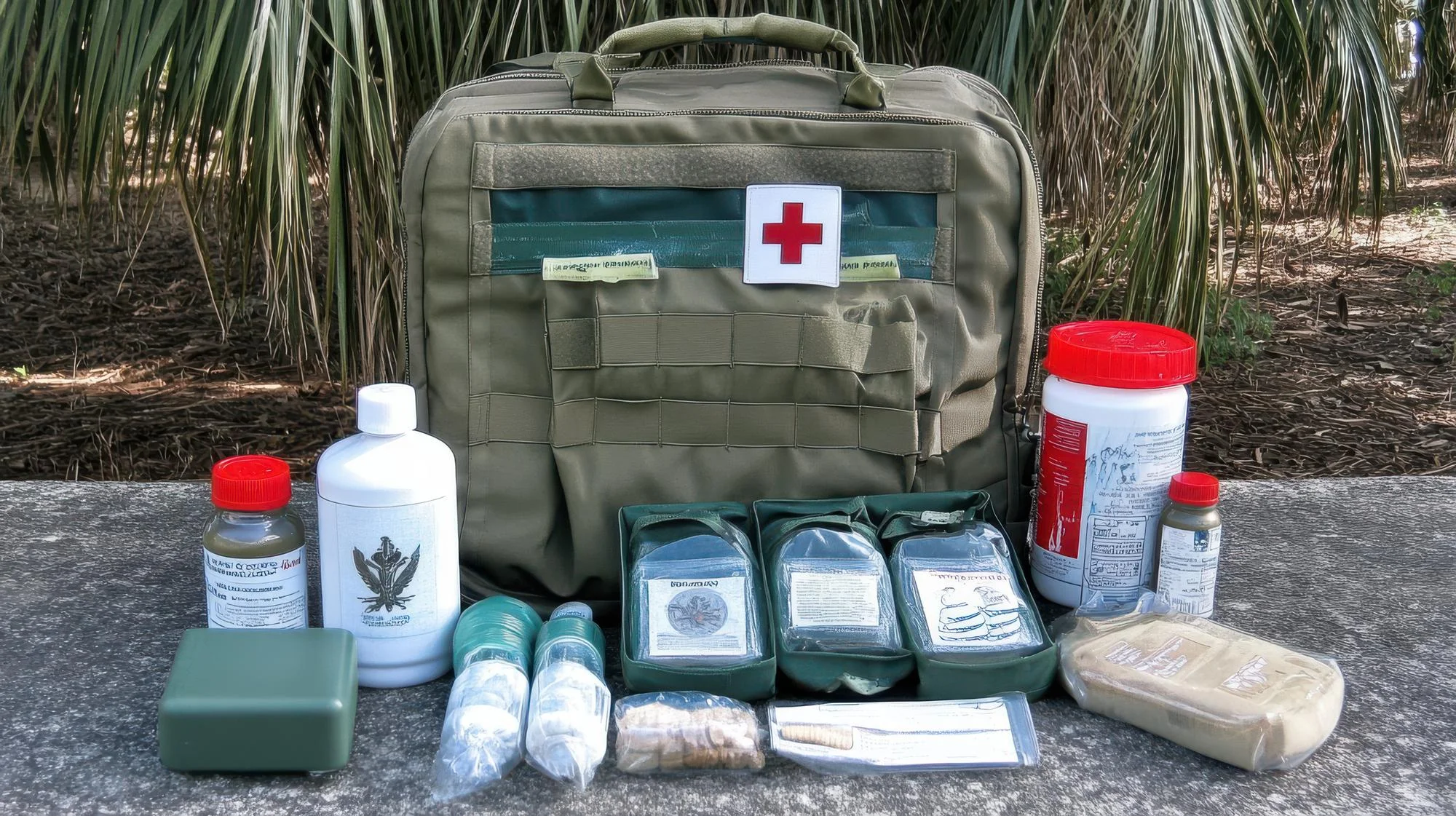


Traveling with a pet that uses a compounded prescription adds a medication-continuity task to the usual pet-travel planning. The veterinarian manages the animal’s medical plan and travel-health requirements. The pharmacy manages the compounded prescription that was dispensed. Keeping those responsibilities separate makes it easier to know whom to call before departure and if something changes on the road.
Quick Answer
Start the pet’s medication review about one to two weeks before travel. Compare the departure and return dates with the amount of compounded medication on hand, the next refill date, preparation time, current prescription status, beyond-use date, and storage instructions. Keep the veterinary prescription in its original labeled container and pack the correct oral syringe, applicator, dropper, or other dosing tool with it. Do not change the dose, timing, route, concentration, or administration method because the travel schedule changed; ask the veterinarian or pharmacist if the normal routine cannot be followed. If the preparation is temperature-sensitive, use the exact current storage instructions and ask how it should be transported. Separately, check the pet-entry rules for the destination. USDA APHIS notes that destination states and territories set their own interstate requirements, and international destinations can require health certificates, vaccinations, testing, or treatments. Keep the veterinarian and dispensing pharmacy contact information available and make a plan for delays, lost medication, storage problems, or a refill that becomes due while away.
Build Two Travel Checklists, Not One
The pet’s travel documents and the pet’s medication are not the same planning task. A health certificate or vaccination record may be required for travel even when the medication plan is unchanged. Likewise, having the right travel certificate does not confirm that the compounded prescription will last through the trip.
USDA APHIS says requirements for moving a pet between states or territories are set by the receiving jurisdiction. For international trips, destination-country rules can include health certificates, vaccinations, diagnostic testing, treatments, and endorsement requirements.
- Travel-health checklist
- Ask the veterinarian what certificates, vaccinations, tests, or destination documents the pet may need.
- Medication checklist
- Ask the pharmacy and veterinarian about supply, current directions, refill timing, dosing tools, storage, and backup planning.
- Airline or carrier rules
- Transportation companies can have their own requirements in addition to government pet-entry rules.
- Emergency care plan
- Know how to reach the regular veterinarian and identify veterinary care near the destination before an urgent problem occurs.
A Pet Health Certificate Does Not Replace the Prescription Label
Travel paperwork explains the animal’s eligibility to travel. The pharmacy label explains how the compounded medication should be used and stored.
Review the Compounded Prescription 1–2 Weeks Before Leaving
California’s current compounding regulations took effect October 1, 2025 and include provisions for veterinary patients. The Board’s 2026 compounding guidance also addresses veterinary preparations and the assigned beyond-use date for compounded products.
For travel, the most useful question is whether the pet’s current supply will cover the full trip with enough time to address an unexpected delay.
What needs attention before the trip?
- How much compounded medication will be on hand when the trip begins?
- Will the current supply cover the planned return date plus a reasonable delay window?
- Does the veterinary prescription have refills remaining, or does the veterinarian need to send a new order?
- How much preparation time does the pharmacy need for the next compounded fill?
- Does the beyond-use date cover the expected travel period?
- Could feeding times, travel days, time zones, or transportation make the normal administration routine difficult to follow?
Pack the Label, Medication, and Dosing Tool Together
A compounded veterinary prescription may be a capsule, oral liquid, topical preparation, ophthalmic product, injection, or another dosage form. Keep the original pharmacy label and the correct administration device with the preparation.
California’s Board says the label for a compounded nonsterile preparation identifies the compounding facility and dispensing facility when they are different. Keeping the complete labeled container helps the veterinarian, pharmacy, or emergency clinic identify what the pet is actually receiving.
- Original labeled container
- Keep the pet’s name, preparation information, directions, pharmacy details, and beyond-use information with the medication.
- Correct dosing tool
- Pack the oral syringe, dropper, applicator, or other device used for that exact prescription.
- Written medication summary
- Keep the veterinarian, pharmacy, active ingredients, concentration or strength, directions, and refill information available outside the medication bag.
- Enough administration supplies
- Bring the supplies needed for the full trip rather than assuming the same device or container can be replaced at the destination.
Plan Storage for the Exact Veterinary Compound
California’s Board requires compounding procedures to address storage, shipping containers, and transportation of temperature-sensitive compounded preparations. The patient-facing instruction remains the exact storage information provided for the current prescription.
Pet travel can expose medication to parked cars, direct sun, airport or hotel delays, coolers, unfamiliar refrigerators, and bags left outside the normal home storage area.
- Parked vehicle
- Do not leave the prescription in a car or trunk unless the storage setup has been confirmed for that exact preparation.
- Cooler or insulated bag
- Ask whether cooling is required and how to prevent direct contact with frozen materials or other unsuitable conditions.
- Hotel or rental refrigerator
- Confirm whether the equipment is appropriate before relying on it for a temperature-sensitive veterinary compound.
- Possible temperature excursion
- Record what happened and contact the dispensing pharmacy before deciding whether to use or discard the preparation.
Confirm Destination Rules and Emergency Contacts Before Departure
USDA APHIS advises pet owners to check destination requirements as soon as travel plans are known. For interstate travel, the receiving state or territory can set animal-health requirements. For international travel, the destination country controls the entry requirements and may require a veterinarian to complete a health certificate or other steps.
Medication continuity needs a separate backup plan. Do not assume a destination veterinarian or pharmacy can immediately replace the same compounded formulation, strength, dosage form, flavoring, container, or preparation schedule.
- Regular veterinarian
- Keep the clinic name, phone number, medical-record access information, and after-hours instructions available.
- Dispensing pharmacy
- Save the pharmacy contact, prescription number, refill status, and current preparation details.
- Destination veterinary care
- Identify an emergency animal hospital or veterinary clinic near the destination before leaving.
- Replacement uncertainty
- Ask before departure what options exist if the medication is lost, damaged, delayed, or runs short while traveling.
Confirm the Veterinary Prescription Plan Before the Pet Leaves Home
Fireside Pharmacy can help review veterinary compounded prescription labels, refill timing, dosing tools, storage, preparation time, pickup, and delivery questions.
A California Spring-Travel Checklist for a Pet’s Compounded Prescription
Use this list before departure so medication questions are resolved while the pet’s regular veterinarian and pharmacy are easy to reach.
- Check the destination’s pet-entry requirements separately from the prescription plan.
- Compare the trip dates with the pet’s current medication supply, refill status, preparation time, and beyond-use date.
- Keep the compounded prescription in its original labeled container with the correct dosing or administration device.
- Do not change the dose, timing, route, concentration, or administration method to fit the travel schedule without veterinary or pharmacy guidance.
- Confirm the storage plan for the exact preparation, including cars, coolers, hotel rooms, refrigerators, and possible temperature excursions.
- Save the veterinarian and pharmacy contacts and identify veterinary care near the destination in case the medication is lost, damaged, or delayed.
Frequently Asked Questions
How early should I review my pet’s compounded prescription before travel?
Starting about one to two weeks before departure gives time to check supply, refill authorization, preparation time, beyond-use information, storage, and any veterinary prescription action that may be needed.
Can I change my pet’s medication time because our travel schedule is different?
Do not change the timing or dose on your own. If travel, meals, time zones, or transportation affect the normal routine, ask the veterinarian or pharmacist how the exact prescription should be handled.
Should I keep my pet’s compounded medication in the original pharmacy container?
Yes. Keep the complete pharmacy label with the medication and pack the correct dosing or administration device used for that prescription.
Do interstate pet travel rules stay the same across the United States?
No. USDA APHIS notes that destination states and territories can set their own animal-health requirements. Check the receiving jurisdiction and the pet’s veterinarian before travel.
What if my pet’s compounded prescription is lost or damaged during the trip?
Contact the dispensing pharmacy and veterinarian promptly. Do not assume a nearby pharmacy can immediately reproduce the same compound. Ask about the prescription status, preparation requirements, storage issue, and available replacement path.
Make the Pet’s Medication Plan as Specific as the Travel Plan
Use the form above to request a call about veterinary compounded prescriptions, refill timing, dosing tools, storage, preparation time, pickup, or delivery.