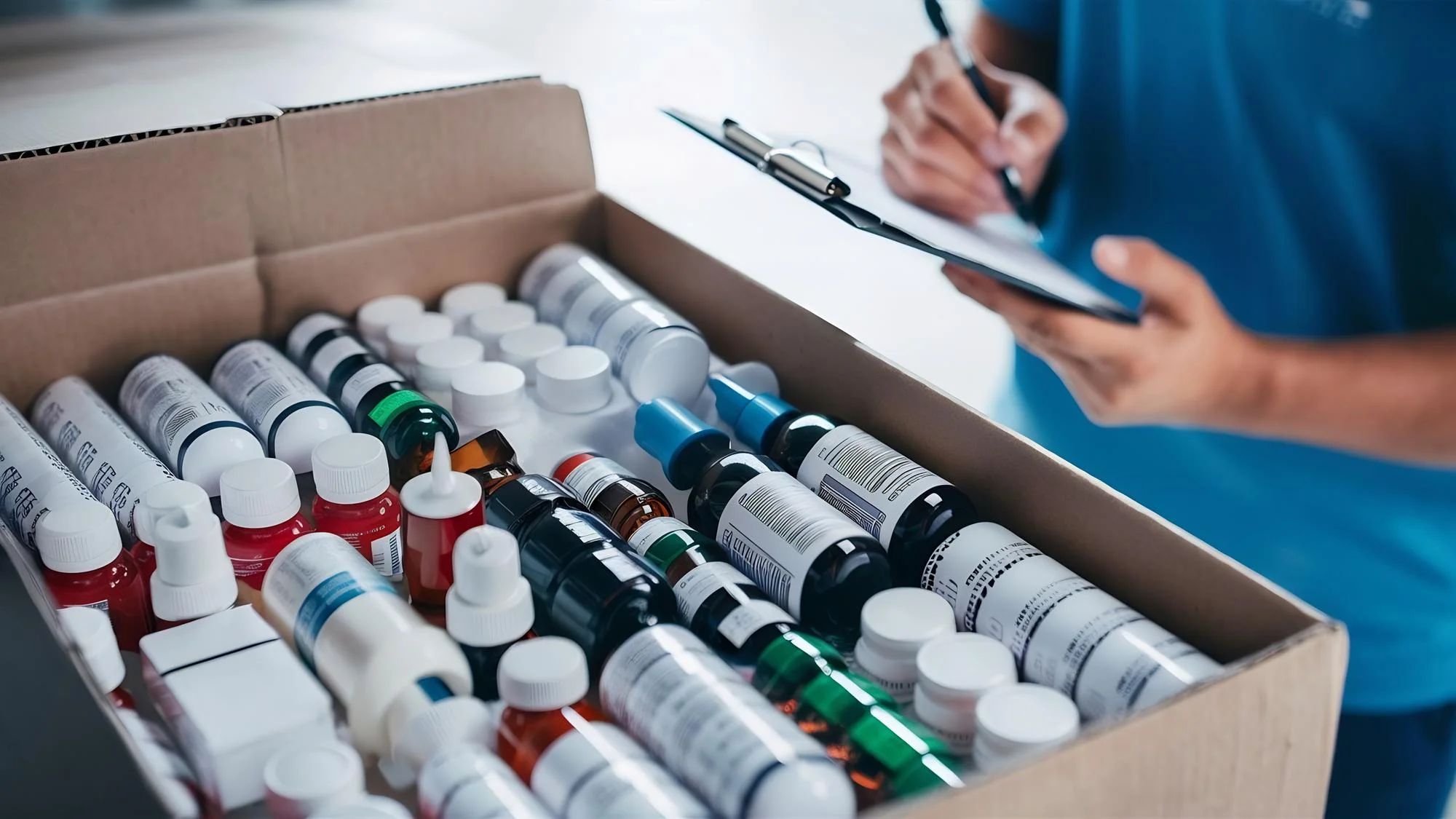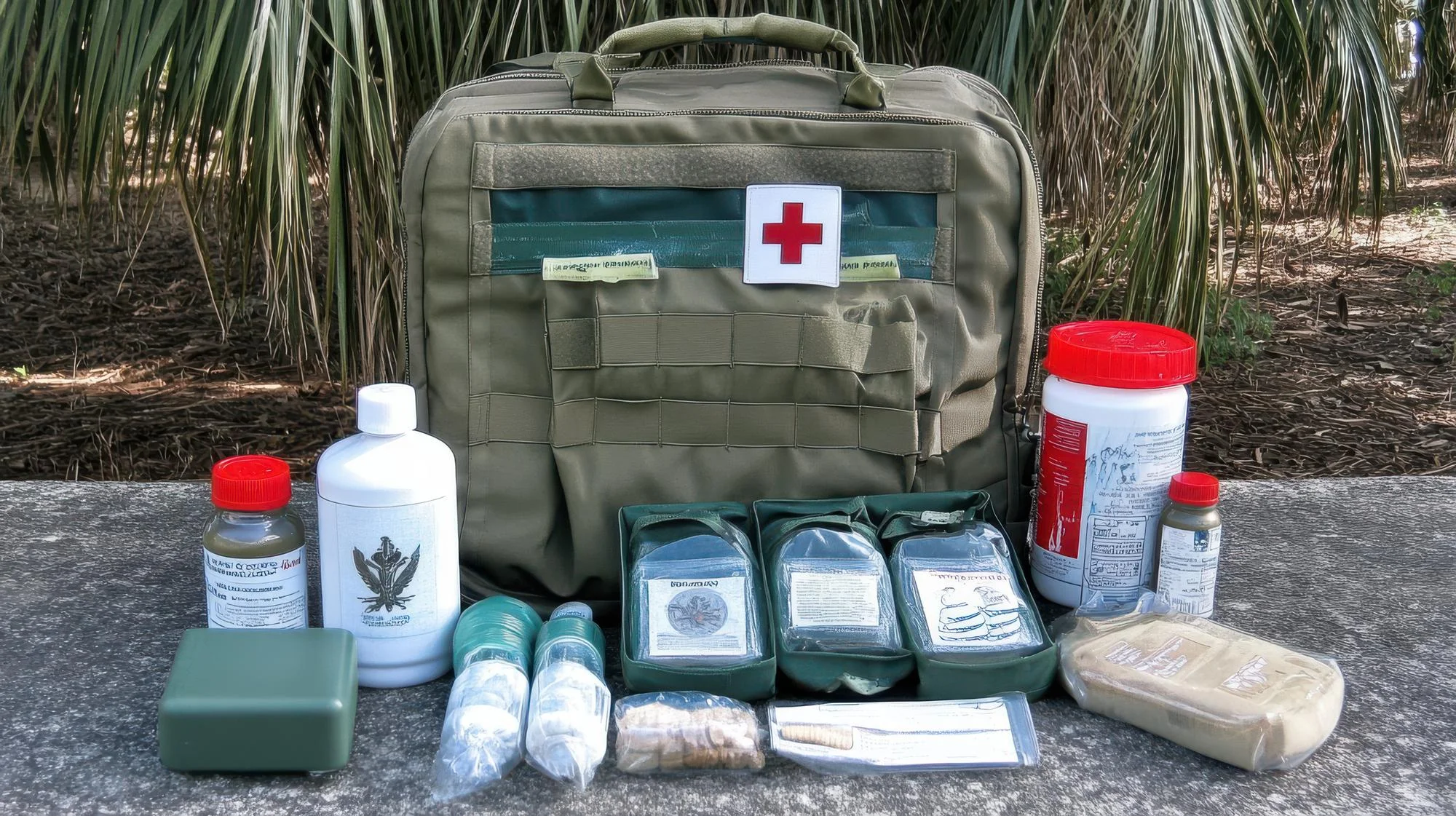


Late-winter travel creates a different medication problem than holiday packing. The question is not only how to carry the prescription. It is whether the medication supply, refill authority, storage plan, destination pharmacy options, and return date still work if the trip changes after you leave California.
Quick Answer
Before traveling from California to another state with a compounded prescription, compare the departure date, return date, remaining medication, refill date, and preparation time. Ask the dispensing pharmacy whether the current prescription has refills remaining and what options would exist if more medication is needed while you are away. California requires an unfilled electronic prescription to be transferred or forwarded to an alternative pharmacy designated by the patient or authorized requester, but the receiving pharmacy still has to be able and legally permitted to dispense the prescription under the rules that apply at the destination. Keep the medication in its original labeled container when practical, carry essential medication with you rather than relying on checked luggage, and follow the pharmacy label for storage. TSA permits medically necessary medications in carry-on baggage, including medically necessary liquids above the usual 3.4-ounce limit, with screening. For a temperature-sensitive compound, do not assume cold outdoor weather is acceptable storage or that direct contact with frozen gel packs is safe. If a delay could cause the supply to run out, contact the pharmacy before the final doses are reached.
Build the Travel Plan Around the Prescription Dates
A travel problem often begins with the calendar rather than the airport. A February trip may overlap the next refill date, the beyond-use date of a compounded preparation, an insurance refill window, or the amount of time the pharmacy needs to prepare the next fill.
What changed in the travel plan?
01. How many days of medication will I have on the morning I leave California?
02. What is the expected return date, and how much delay time should I account for?
03. Does the prescription have authorized refills remaining?
04. How much preparation or ordering time does the pharmacy need for the next fill?
05. Does insurance place a refill-date limit or require a travel override?
06. Will the compounded preparation remain within its labeled use and storage period for the full trip?
Travel Does Not Extend a Beyond-Use Date
Check the Out-of-State Refill Path Before Leaving California
California law requires a pharmacy that received an unfilled electronic prescription to transfer or forward it to the alternative pharmacy designated by the patient or authorized requester. That rule can help when a prescription has not yet been filled, but it is only one part of an interstate refill.
The destination pharmacy still needs to be able to receive and dispense the prescription under the laws and operational requirements that apply there. A compounded prescription adds another question: can that pharmacy prepare the same formulation, strength or concentration, dosage form, and route?
- Unfilled e-prescription
- Ask the California pharmacy whether the unfilled electronic prescription can be forwarded to the chosen destination pharmacy.
- Existing refills
- Ask how the refill history can be transferred and whether medication-specific restrictions apply.
- Compounding capability
- Confirm that the destination pharmacy can prepare the exact prescribed compound before moving the prescription.
- Controlled prescriptions
- Controlled medications can have additional state and federal transfer requirements, so confirm the exact pathway before travel.
Do Not Rely on a Destination Pharmacy Until It Confirms the Prescription
Plan for Airport Screening Without Separating the Medication From You
TSA allows medications in carry-on baggage, including medically necessary liquids in reasonable quantities greater than 3.4 ounces. Medically necessary liquids should be declared for separate screening. TSA also permits medically necessary gel ice packs in reasonable quantities, with inspection at the checkpoint.
CDC travel guidance recommends carrying essential medications in original labeled containers and keeping them in carry-on luggage rather than checked baggage. That reduces the chance that the only supply is lost, delayed, damaged, or inaccessible during the trip.
- Carry-on first
- Keep the medication and essential administration supplies accessible during the trip.
- Original label
- Keep the pharmacy label with the preparation so the medication and patient are easy to identify.
- Liquid medication
- Medically necessary liquids above 3.4 ounces can be carried through TSA screening in reasonable quantities.
- Cooling supplies
- Tell the TSA officer about medically necessary cooling accessories so they can be screened appropriately.
Protect a Compounded Prescription From Winter Temperature Problems
Late-winter travel can expose medication to freezing temperatures outdoors, overheated cars and hotel rooms, luggage compartments, or direct contact with cooling packs. None of those environments should be treated as a substitute for the storage range on the pharmacy label.
If the preparation requires refrigeration or another controlled range, ask the dispensing pharmacy how to transport it during the specific trip. The answer can depend on the formulation, container, travel time, and labeled storage conditions.
- Cold car
- A parked vehicle can become colder than the preparation’s permitted range and may expose the medication to freezing.
- Direct ice contact
- Do not place a preparation directly against a frozen pack unless the pharmacy has confirmed that method is appropriate.
- Hotel storage
- Verify that a hotel refrigerator or other storage option can support the labeled instructions before relying on it.
- Temperature concern
- If the preparation may have frozen, overheated, or spent too long outside its required range, contact the dispensing pharmacy before use.
Have a Plan for a Delayed Return or Longer Stay
Winter storms, flight cancellations, road closures, or a change in itinerary can turn a correctly planned supply into a short supply. CDC guidance for travelers with chronic conditions recommends carrying enough medication for the trip and several days afterward when possible.
If a delay means the medication could run out, contact the dispensing pharmacy early. Ask about refill status, insurance timing, transfer options, whether a new prescription is needed, and whether the destination pharmacy can fill the exact preparation.
- Call before the last dose
- More options may be available when the pharmacy and prescriber have time to coordinate.
- Check insurance
- A plan may have refill-too-soon rules or a travel-override process, but approval is not automatic.
- Confirm destination capability
- Do not transfer a compound until the receiving pharmacy confirms it can prepare the prescription.
- New prescription
- Some situations may require the prescriber to issue a new prescription rather than relying on a transfer.
Confirm the Supply, Storage Plan, and Backup Refill Path
Fireside Pharmacy can help review refill timing, compounded preparation details, travel storage, transfer, pickup, and delivery questions.
A California-to-Out-of-State Compounded Prescription Checklist
Use this list before a late-winter trip so the medication plan still works if travel does not go exactly as scheduled.
01. Compare the departure date, return date, medication supply, refill date, and beyond-use information.
02. Ask the pharmacy how much preparation or ordering time the next compounded fill requires.
03. Keep essential medication in its original labeled container and accessible during air or ground travel.
04. For temperature-sensitive preparations, follow the labeled storage instructions and ask how to transport the medication without freezing or overheating it.
05. Before relying on an out-of-state pharmacy, confirm it can receive and dispense the exact prescription.
06. Have a delay plan that covers insurance timing, transfer options, prescriber contact, and whether shipment to the destination is permitted.
Frequently Asked Questions
Can I fly with a compounded liquid medication over 3.4 ounces?
TSA permits medically necessary liquid medications in reasonable quantities greater than 3.4 ounces in carry-on baggage. Tell the TSA officer about the medically necessary liquid so it can be screened separately.
Should I put my compounded prescription in checked luggage?
Keep essential medication accessible in carry-on baggage when possible. CDC travel guidance recommends carrying medications in original labeled containers in carry-on luggage rather than relying on checked baggage.
Can a California prescription be transferred to a pharmacy in another state?
California requires an unfilled electronic prescription to be transferred or forwarded to a patient-designated alternative pharmacy when requested, but the destination pharmacy still must be able and legally permitted to receive and dispense the prescription. Ask both pharmacies before relying on the transfer.
Is cold winter weather enough to keep a refrigerated compound safe?
No. Outdoor temperature does not establish safe medication storage. Follow the storage instructions on the pharmacy label and ask the dispensing pharmacy how to transport a temperature-sensitive preparation during the trip.
What should I do if my return trip is delayed and I may run out?
Contact the dispensing pharmacy before the supply is exhausted. Ask about refill status, insurance timing, transfer options, destination-pharmacy capability, and whether the prescriber needs to send a new prescription.
Leave California With a Backup Plan, Not Just a Medication Bag
Use the form above to request a call about compounded prescription travel, refill timing, storage, transfer, pickup, or delivery.