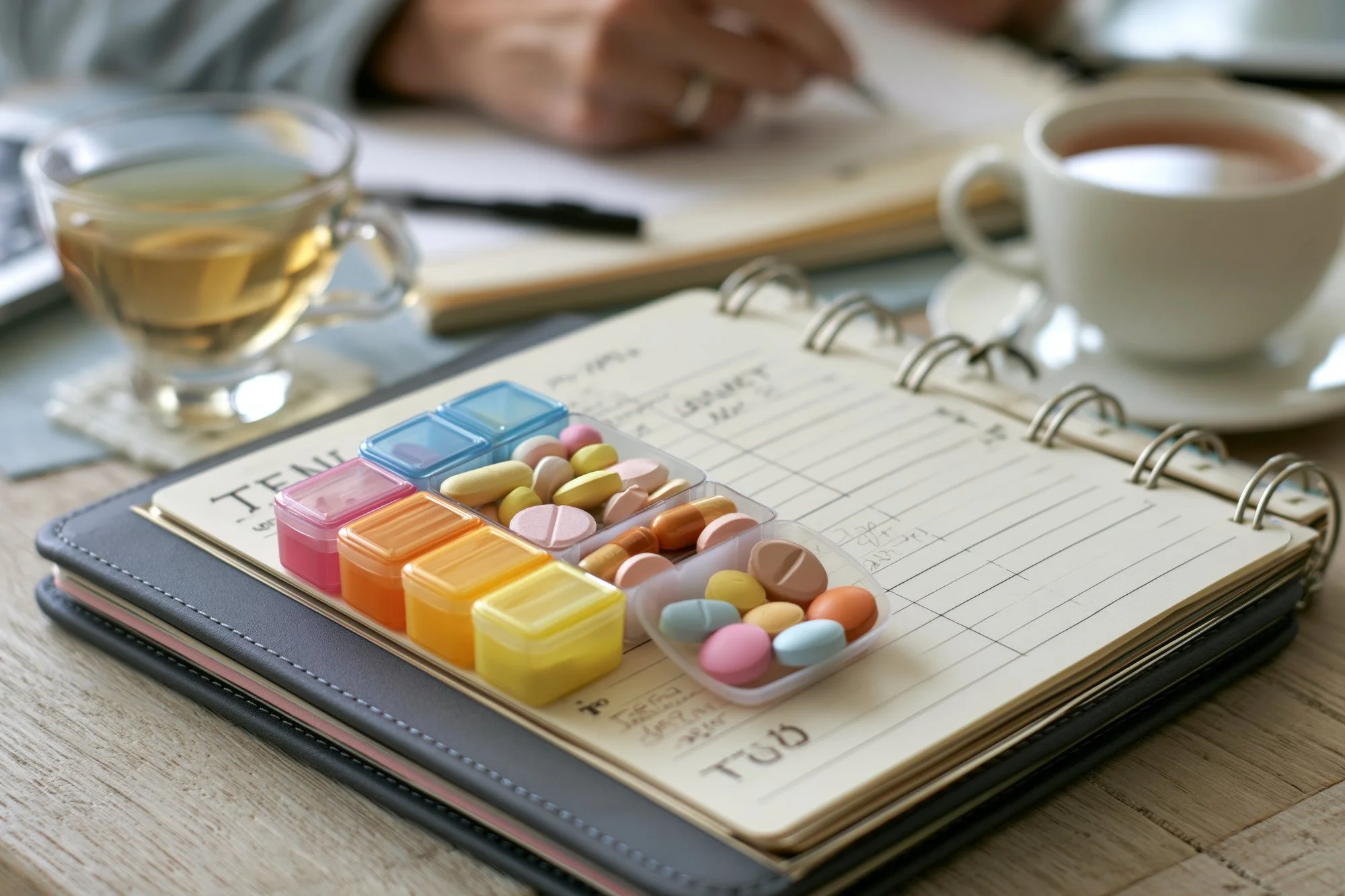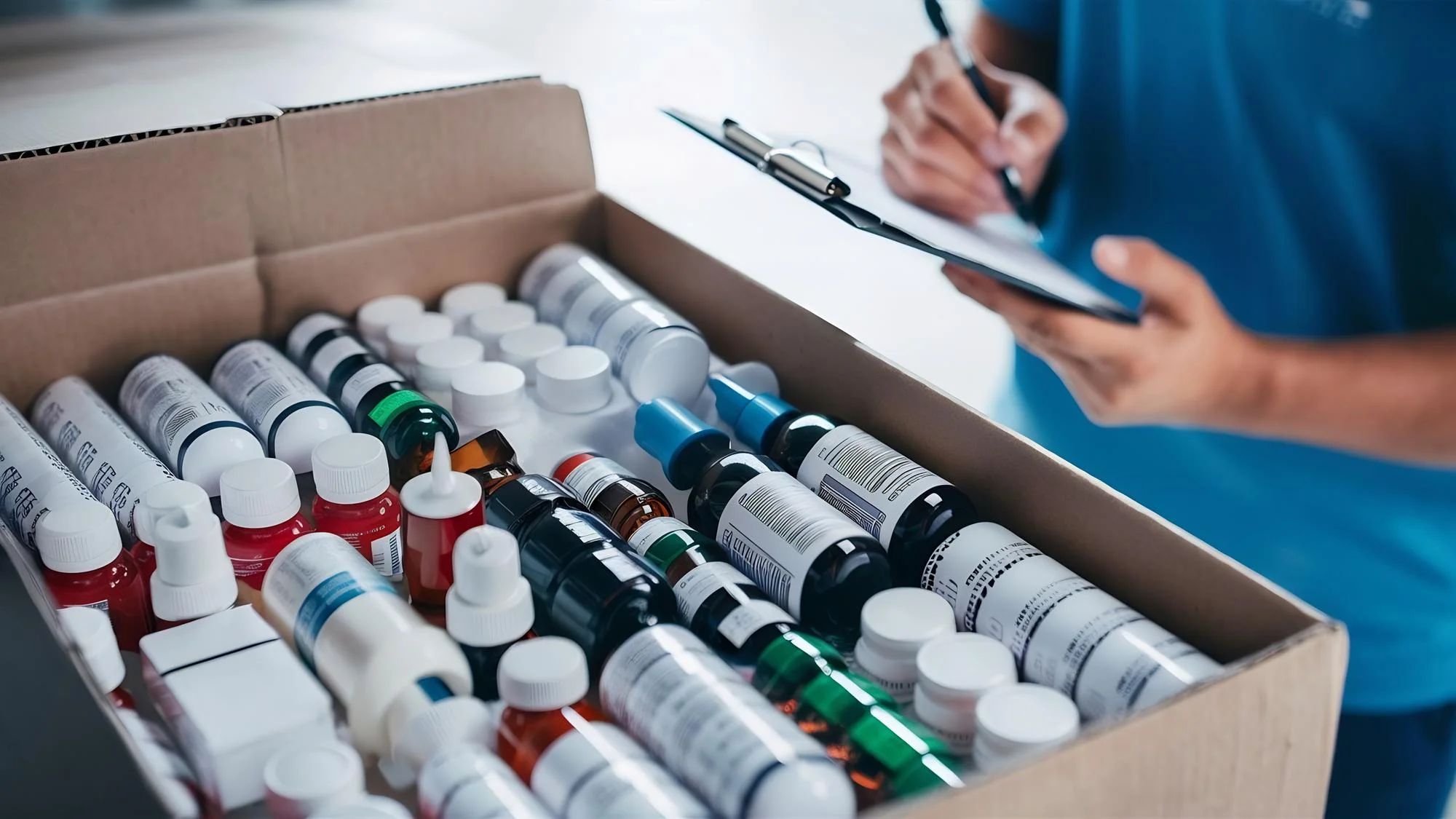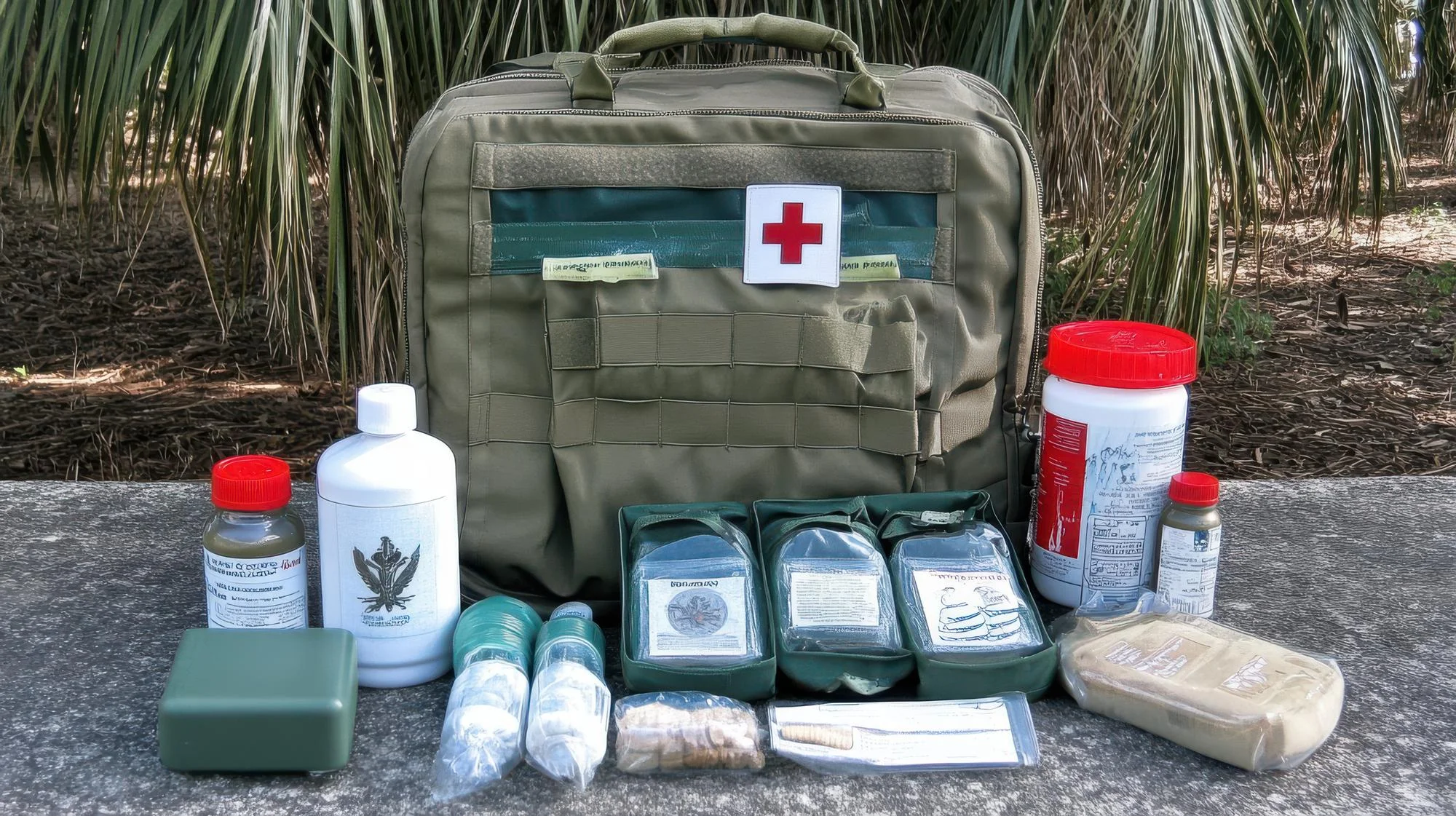


Prescription delivery is not finished when the carrier marks a package “delivered.” In late-summer heat, the final handoff matters: a parcel can sit in a metal mailbox, locked parcel room, sunny porch, parked car, apartment lobby, or other uncontrolled location before the patient stores it correctly. The goal is to shorten that uncontrolled period and know what to do if it happens anyway.
Quick Answer
Use the delivery chain—not the weather forecast alone—to plan a heat-sensitive prescription shipment. Before the pharmacy ships, confirm the medication’s labeled storage condition, whether special packaging is used, whether someone needs to be present, and what the pharmacy wants you to do after a delayed or unusually warm delivery. Track the package closely enough that it can be moved indoors soon after arrival. CDC advises not leaving medicines in a car or other places that can become excessively hot, and California public-health guidance emphasizes maintaining medications under appropriate storage conditions. Do not assume that a mailbox, porch, vehicle, hotel desk, dorm mailroom, or parcel locker maintains a medication-safe temperature. If a package was exposed to heat, keep the medication and packaging, record the delivery time and when you retrieved it, note whether the package was hot, damaged, wet, or missing expected cold materials, and call the dispensing pharmacy. Do not automatically refrigerate, freeze, discard, or use a replacement dose unless the exact medication instructions support that step. Different products have different temperature tolerances, so the pharmacist may need the prescription identity and exposure history before advising what to do next.
Treat Delivery as a Temperature-Control Chain
The delivery path has several stages, and each stage can affect how long the prescription is outside controlled pharmacy or home storage. Thinking in stages makes it easier to find the weak point before the next shipment.
Where is the delivery most likely to sit?
- Pharmacy release
- Confirm the exact medication, labeled storage condition, packaging method, shipment date, and expected delivery window.
- Carrier transit
- Track delays and avoid assuming that every delivery vehicle or sorting location maintains the medication’s labeled storage temperature.
- Final drop-off
- Know whether the parcel will be left at a door, mailbox, locker, front desk, mailroom, or another receiving point.
- Home storage
- Move the prescription to the labeled storage environment as soon as practical after receipt.
Confirm the Storage Plan Before the Pharmacy Ships
Heat-related delivery problems are easier to prevent before the package leaves the pharmacy. Ask about the exact prescription rather than applying one shipping rule to every medication.
- What storage condition appears on the current prescription label?
- Does this prescription use ordinary shipping, insulated packaging, cold packs, or another pharmacy-selected shipping method?
- Is a signature or in-person recipient recommended or required for this shipment?
- What day is the pharmacy planning to release the package, and is weekend or holiday delay possible?
- What should the patient do if tracking shows a delay or the package is not retrieved promptly?
- Which package details should be kept if the pharmacy later needs to evaluate a suspected temperature excursion?
Reduce Last-Mile Heat Exposure
CDC advises patients not to leave medications in a car or other places that can get excessively hot. For deliveries, the same practical concern applies to the period after the carrier drops the package and before the patient stores it correctly.
- Use delivery tracking
- Watch the expected arrival closely enough that someone can retrieve the prescription without a long uncontrolled wait.
- Choose the safest available address
- When the pharmacy permits it, use a receiving location where the package can be brought indoors promptly rather than left outside for hours.
- Plan for a mailbox or locker
- Do not assume a metal mailbox or parcel locker protects medication from late-summer heat.
- Do not leave it in the car
- If the prescription is picked up from a pharmacy or parcel location, take it to appropriate storage instead of leaving it in a parked vehicle.
- Coordinate with a front desk or mailroom
- Know receiving hours, notification timing, access after hours, and whether staff can contact the patient when the package arrives.
- Use an authorized recipient when appropriate
- Ask the pharmacy what options exist if the patient cannot be available during the delivery window.
Move the Prescription Indoors as Soon as It Arrives
When the package arrives, the next step is not always “put it in the refrigerator.” The correct action depends on the exact prescription label and the shipping instructions from the pharmacy.
- Check the pharmacy label
- Use the labeled storage condition rather than assuming every summer delivery needs refrigeration.
- Look at the package condition
- Note crushed packaging, moisture, leakage, unusual warmth, broken containers, or missing components before discarding anything.
- Keep shipping materials briefly
- For a temperature concern, the pharmacy may need information about the box, insulation, cold packs, or delivery label.
- Store the medication correctly
- Move it to the labeled room-temperature, refrigerated, or other specified storage condition without inventing a colder environment.
Document a Suspected Temperature Excursion
A pharmacist can give better product-specific guidance when the exposure history is concrete. If a package was late, sat outdoors, or arrived unusually warm, save the details before calling.
- Delivery timestamp
- Record when tracking says the package was delivered and when it was actually retrieved.
- Location
- Note whether it was on a porch, in a mailbox, parcel locker, lobby, vehicle, or another location.
- Package condition
- Describe whether the box, medication container, cold packs, or insulation were hot, cool, damaged, wet, or otherwise unusual.
- Medication identity
- Keep the prescription label, product name, strength or concentration, dosage form, and prescription number available.
- Storage after retrieval
- Tell the pharmacist what you did with the medication after bringing it indoors.
- Do not use appearance alone
- A medication can be affected without obvious visual change, while normal appearance does not prove that a temperature excursion was harmless.
Change the Next Delivery if the Same Risk Could Happen Again
A one-time temperature concern is also a chance to repair the delivery process. The next shipment should not repeat a known mailbox, vehicle, lobby, or scheduling problem if another option is available.
- Change the delivery day
- Ask whether the pharmacy can avoid a day when the patient will be away or when a weekend delay is more likely.
- Change the receiving location
- When permitted, use an address where the prescription can be received indoors and retrieved promptly.
- Consider pharmacy pickup
- For some prescriptions, direct pickup may reduce last-mile exposure if the patient can transport the medication to proper storage immediately.
- Adjust refill lead time
- Contact the pharmacy before the supply becomes low so a delayed shipment does not immediately become a missed-dose problem.
- Review compounding lead time
- For compounded prescriptions, include preparation time when choosing the next shipping date.
- Keep a backup contact route
- Know how to reach the dispensing pharmacist quickly if tracking, packaging, or temperature becomes a concern again.
Plan the Handoff Before the Prescription Reaches the Door
Fireside Pharmacy can help review storage labels, compounded prescriptions, temperature-sensitive medications, delivery timing, package concerns, pickup, and refill planning.
A Late-Summer Prescription Delivery Checklist
Use this list before a prescription is shipped during a period of high temperatures.
- Confirm the exact medication’s labeled storage condition, shipping method, expected delivery window, signature or recipient needs, and what the pharmacy wants you to do after a delay or suspected heat exposure.
- Use tracking and a recipient plan so the package can be moved from a porch, mailbox, locker, lobby, front desk, or other uncontrolled drop-off point to appropriate storage promptly.
- Do not leave a pharmacy pickup or delivered prescription in a parked vehicle while completing other errands.
- At receipt, inspect the package and medication container, keep relevant shipping materials, and move the prescription to the labeled storage environment rather than automatically refrigerating or freezing it.
- If a temperature excursion may have occurred, save the delivery time, retrieval time, location, package condition, medication identity, and what happened after retrieval before calling the pharmacy.
- If the same exposure could happen again, change the next delivery day, address, pickup plan, refill lead time, or recipient arrangement before the current supply becomes low.
Frequently Asked Questions
Can I leave a prescription in my mailbox for a few hours during hot weather?
Do not assume a mailbox provides appropriate medication storage. Retrieve the package promptly and follow the prescription’s labeled storage instructions. If it sat in significant heat, contact the dispensing pharmacy with the exposure timeline.
Should I refrigerate a prescription that arrives warm?
Not automatically. Follow the current pharmacy label. Some medications are refrigerated, while others should not be refrigerated or frozen. If the package had a possible temperature excursion, call the pharmacy about the exact product.
How can I tell whether heat damaged my prescription?
Appearance alone is not enough. Keep the medication and packaging and give the pharmacy the medication identity, storage instructions, delivery time, retrieval time, location, and package condition so the pharmacist can evaluate the situation.
What if the carrier delivers a temperature-sensitive prescription a day late?
Keep the package and contact the dispensing pharmacy. Whether the medication remains usable depends on the exact product, packaging system, labeled storage requirements, and exposure history rather than the delay length alone.
Can I ask the pharmacy to send the next prescription somewhere else?
Ask the dispensing pharmacy what delivery-address, pickup, signature, or authorized-recipient options are available for the exact prescription. Changing the receiving location can help when the usual address repeatedly creates heat-exposure risk.
Protect the Prescription Through the Final Delivery Handoff
Use the form above to request a call about late-summer delivery, storage, compounded prescriptions, temperature-sensitive medications, package concerns, pickup, or refill timing.