
A power outage can turn a familiar refrigerator into an uncertain storage environment. The problem is not solved by one universal number of hours, because medication stability depends on the exact product, formulation, labeled storage condition, temperature history, and whether freezing or excessive heat occurred. The useful preparation is a documented plan that tells the patient what to record, what not to improvise, and whom to call.
Quick Answer
Before a heat-related power outage, identify every prescription in the home that depends on refrigeration and read the current pharmacy label. CDPH identifies people who rely on refrigeration for medicines as a group requiring extra attention during power loss, and the California State Board of Pharmacy recommends having a cooler with ice packs available for medications that require refrigeration. That does not mean every refrigerated prescription should be placed directly on ice or moved automatically when the power goes out. The exact packing method should be confirmed for the medication because some products can be damaged by freezing or direct contact with frozen material. When electricity fails, write down the approximate outage start time and keep the refrigerator closed as much as practical while you assess the medication-specific plan. If the outage continues, use the approved backup location or cooler setup and document when the prescription was moved. Do not use the common food-safety rule about how long an unopened refrigerator keeps food cold as proof that a medication is still usable. If the labeled condition may have been exceeded, give the dispensing pharmacy the full timeline and wait for preparation-specific guidance before using, discarding, freezing, or replacing the prescription.
Build the Outage Plan Before the Forecast Turns Dangerous
CDPH warns that extreme heat and power disruptions can be especially difficult for people who depend on medical equipment or medication refrigeration. The outage plan should therefore be written before the grid is strained or a planned shutoff begins.
- Identify the exact refrigerated prescriptions
- Write down the medication name, strength or concentration, dosage form, current label instructions, expiration or beyond-use date, and dispensing pharmacy.
- Choose the backup location
- Know whether a second refrigerator, caregiver home, hotel, generator-supported location, or another approved option is realistically available.
- Prepare the transport container
- If the pharmacy approves a cooler method, keep the correct cooler, insulating material, and cooling packs available before the outage.
- Save the pharmacy contact
- Keep the dispensing pharmacy number on paper as well as on the phone in case charging or internet access becomes limited.
The Best Outage Plan Is Written Before the Refrigerator Stops
Decide the backup location, packing method, and contact route while normal services are still available.
Start an Outage Clock the Moment Power Fails
When the electricity goes out, the pharmacy may later need a timeline more than a guess about how cold the refrigerator felt. Record the outage start time as closely as possible.
Where are you in the outage?
- What time did the power fail, or when was the outage first discovered?
- Was the refrigerator operating normally before the outage?
- How often has the refrigerator door been opened since power was lost?
- Was the medication moved to a cooler, another refrigerator, or another location?
- Could the prescription have touched ice, frozen packs, or a freezer surface?
- When did power return or normal storage resume?
Keep the Refrigerator Closed While You Assess the Plan
CDPH’s general power-outage guidance recommends keeping refrigerator and freezer doors closed as much as possible to preserve the cold environment. That is a sensible first step while a patient determines what the medication-specific plan requires.
But food guidance should not be turned into a medication-stability rule. The fact that an unopened refrigerator may keep food cold for a period of time does not prove that a prescription remained within the condition required by its label.
- Limit door opening
- Retrieve medication only when the backup plan requires it rather than repeatedly checking the refrigerator.
- Do not rely on touch
- A bottle that still feels cool does not establish the temperature history of the medication.
- Do not use a food timer
- Food-safety timing does not substitute for preparation-specific medication stability information.
- Do not move everything automatically
- Some prescriptions may have different labeled conditions or different sensitivity to heat and freezing.
Use Only a Confirmed Backup Cooling Method
The California State Board of Pharmacy recommends having a cooler with ice packs available for medications that require refrigeration. The key word for patients is available, not automatic.
Ask the dispensing pharmacy how the exact medication should be separated from frozen packs, whether direct contact should be avoided, what container is appropriate, and whether the backup method is suitable for the expected duration.
- Cooler
- Use a cooler only when the pharmacy or product instructions support that method for the exact prescription.
- Frozen packs
- Confirm whether the medication should be separated from them to avoid accidental freezing.
- Insulation
- Use the recommended barrier or packaging rather than improvising with direct ice contact.
- Temperature monitoring
- If the pharmacy recommends a thermometer or monitor for the backup setup, know how it should be used and recorded.
Know Where the Prescription Can Be Moved
If the outage continues, a functioning refrigerator elsewhere may be more practical than relying on a temporary cooler for an extended period. Decide where that location is before the heat emergency.
- Caregiver or family refrigerator
- Confirm that the destination is operating normally and that the medication can be stored securely under its labeled condition.
- Hotel or temporary lodging
- Do not assume a minibar or small room refrigerator is suitable without checking its actual operation and pharmacy guidance.
- Generator-supported location
- Know whether the refrigerator will remain continuously powered and whether fuel or maintenance limits could interrupt the backup.
- Transport between locations
- Use the approved packing method and document when the medication left one storage environment and entered another.
Give the Pharmacy a Complete Temperature-Excursion Record
If the medication may have left its labeled storage condition, the dispensing pharmacy needs enough information to review the event. A complete timeline is more useful than “the power was out for a while.”
- Exact prescription
- Provide the medication name, strength or concentration, dosage form, lot information when available, expiration or beyond-use date, and pharmacy label.
- Outage timeline
- Provide the approximate start time, restoration time, refrigerator-opening history, and any uncertainty in the record.
- Backup steps
- Describe when the medication was moved, what cooler or refrigerator was used, and whether ice or frozen packs were involved.
- Observed problems
- Report leaking, broken containers, accidental freezing, direct sun, prolonged vehicle exposure, or another relevant event.
Write the Backup Plan Before the Next Heat Emergency
Fireside Pharmacy can help review refrigerated and compounded prescription labels, backup cooling, temperature excursions, refill timing, pickup, and replacement questions.
A Power-Outage Checklist for Refrigerated Prescriptions
Use this list before a heat emergency or planned power interruption.
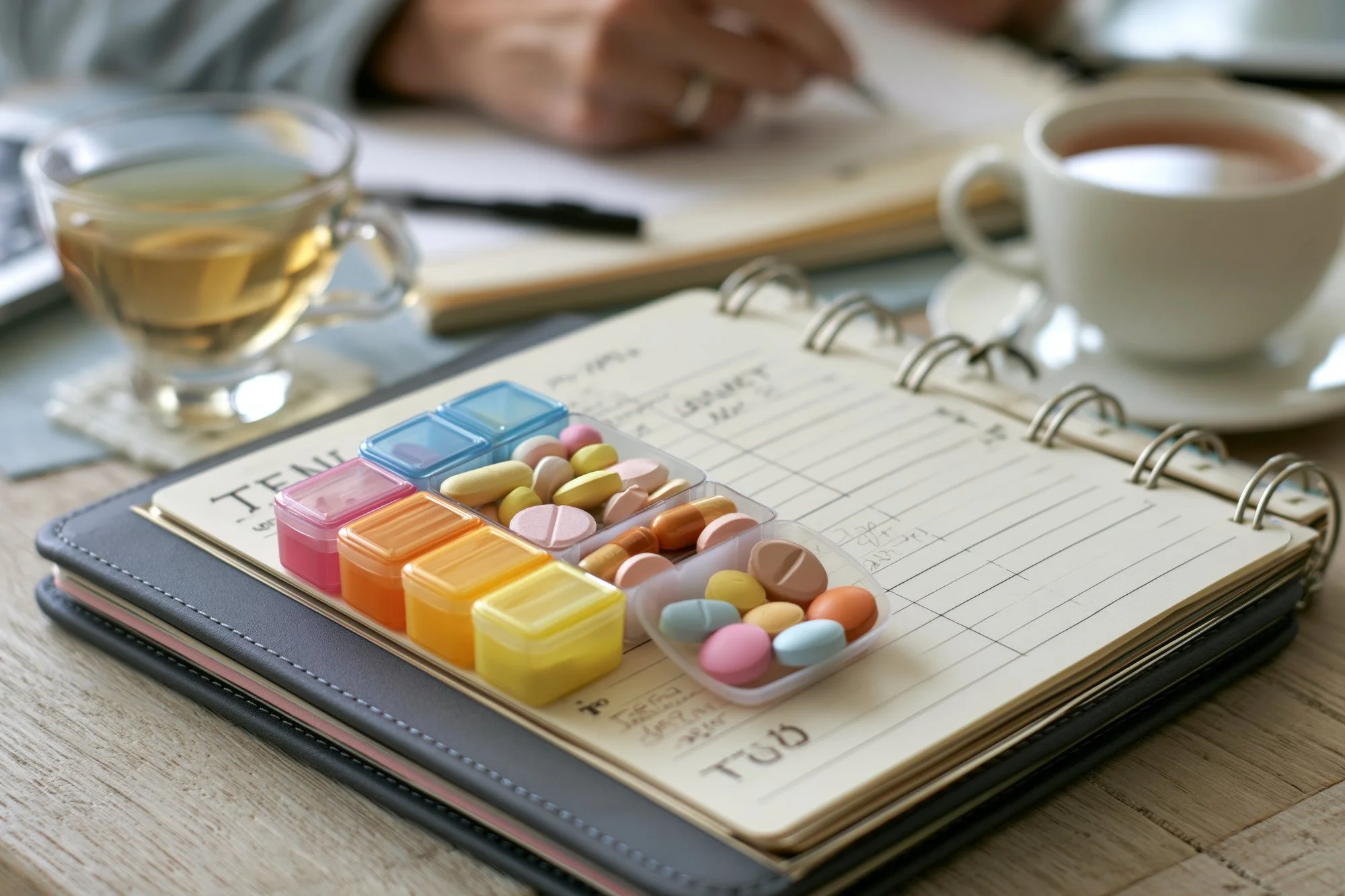
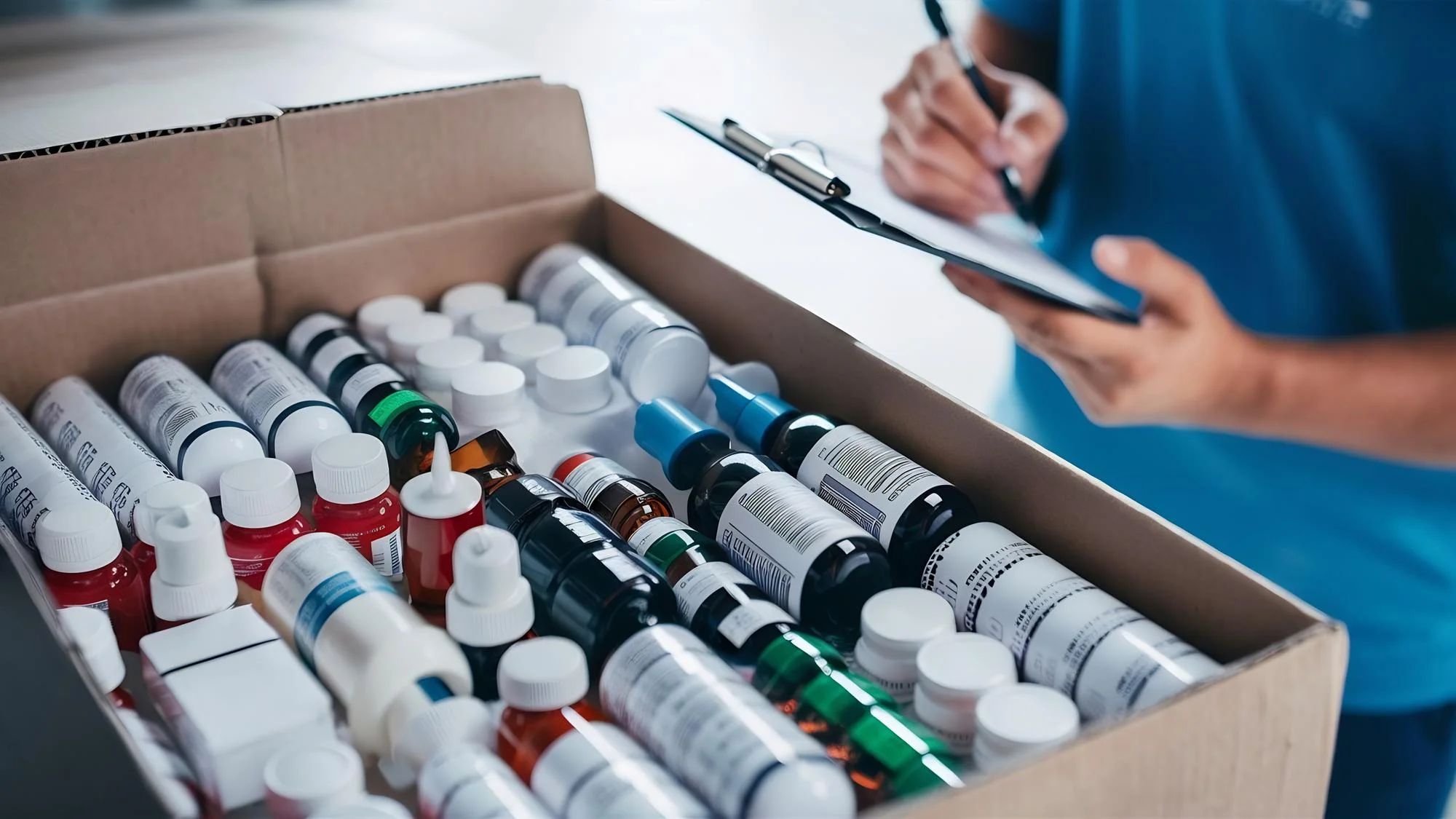
- Identify each prescription that requires refrigeration and keep its current label, medication name, strength or concentration, dosage form, expiration or beyond-use date, and pharmacy contact together.
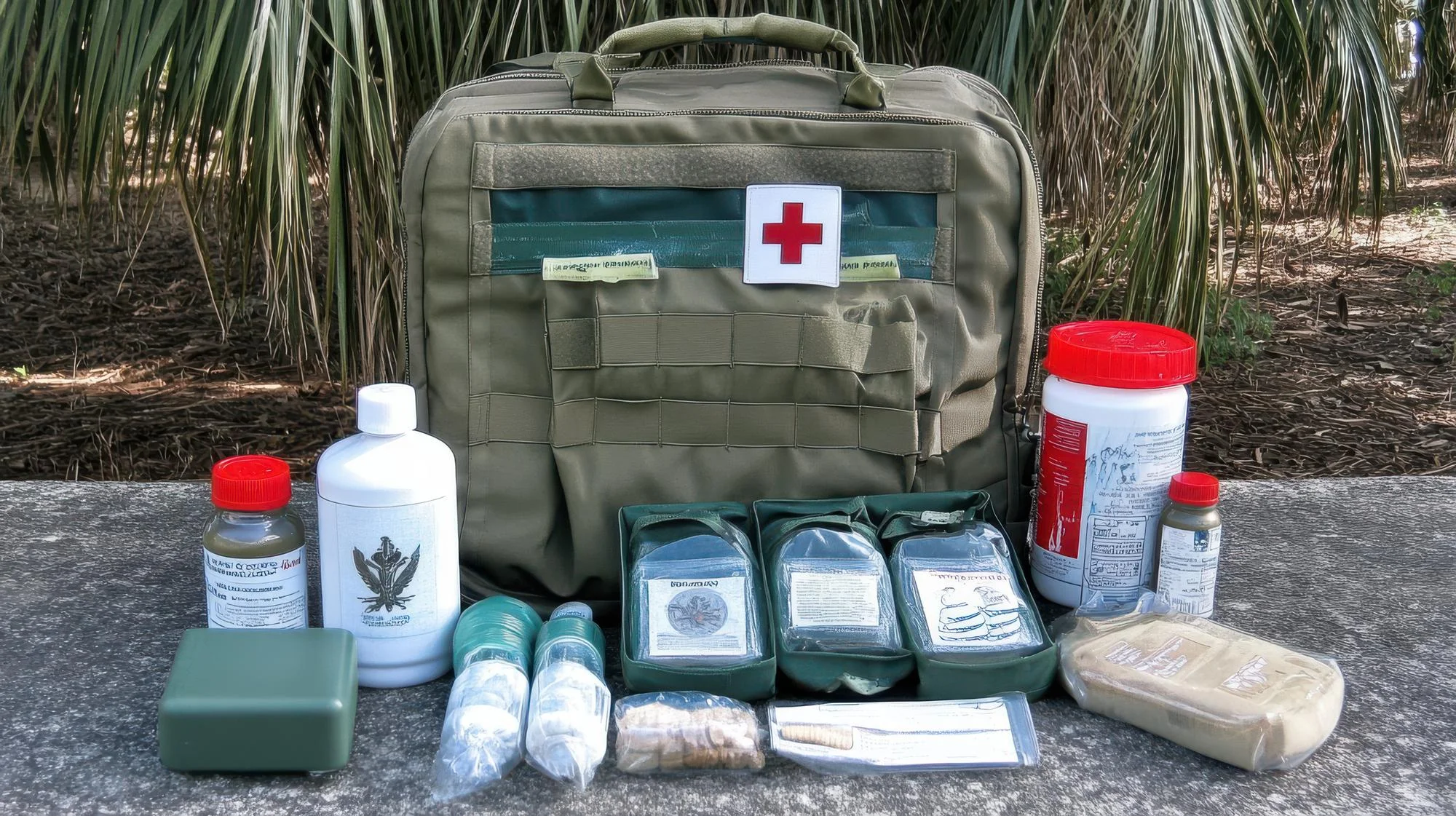
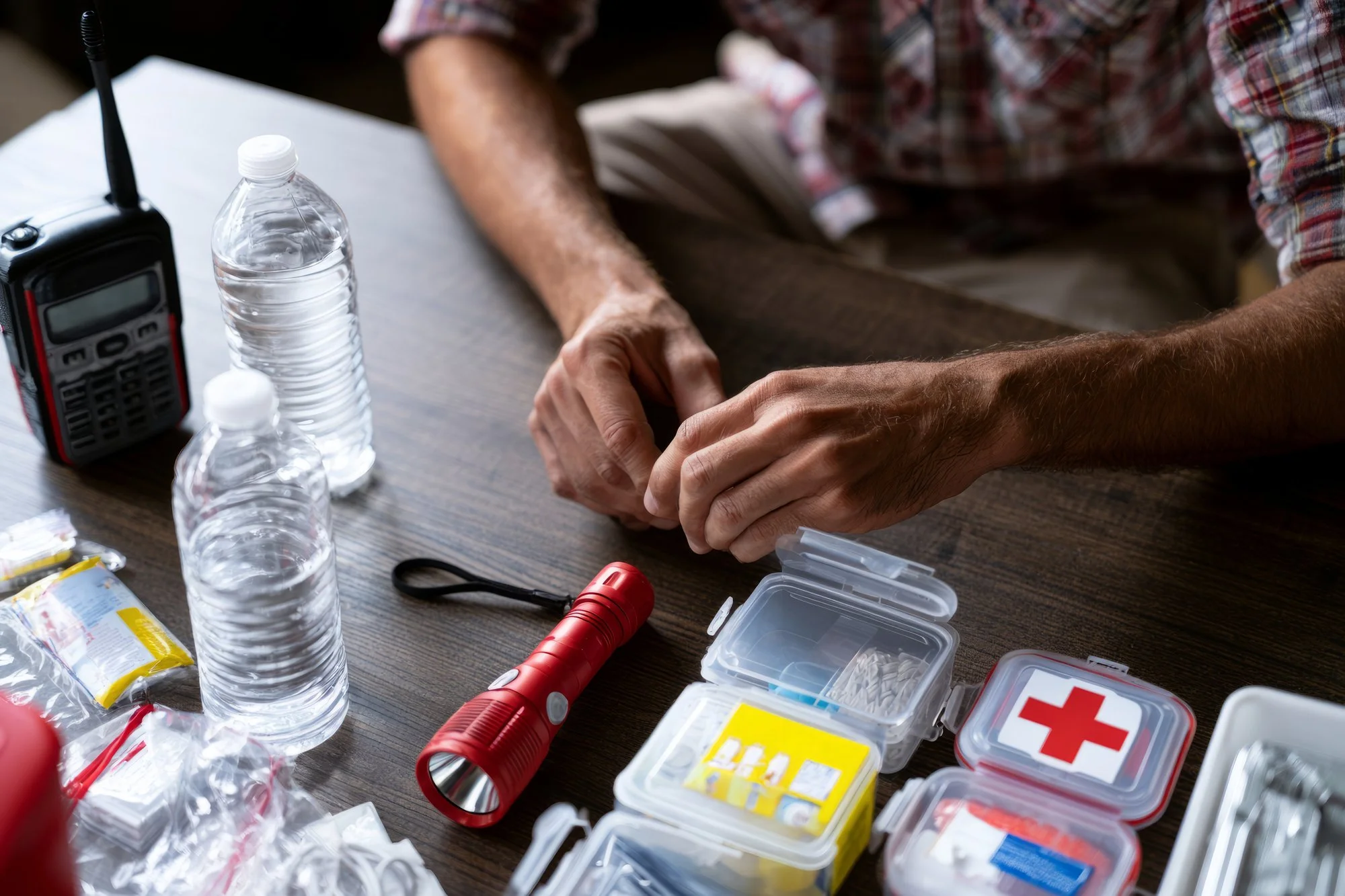
- Choose a pharmacy-approved backup plan that may include a cooler, cooling packs, insulation, another refrigerator, or another location appropriate for the exact medication.
- When power fails, record the approximate start time and keep the refrigerator closed as much as practical while you follow the medication-specific plan.
- If the medication is moved, record the time, destination, transport method, cooling materials, and any chance of direct freezing or excessive heat.
- Do not use food-safety timing, package temperature by touch, appearance, or a melted ice pack as the only basis for deciding whether the prescription remains usable.
- After a suspected temperature excursion, give the dispensing pharmacy the full timeline before using, discarding, freezing, refrigerating, or replacing the medication.
Frequently Asked Questions
How long is refrigerated medication safe when the power goes out?
There is no single outage duration that applies to every prescription. The answer depends on the exact medication, labeled storage condition, temperature history, and whether excessive heat or freezing occurred. Contact the dispensing pharmacy with the outage timeline.
Should I immediately move refrigerated medication to a cooler?
Not automatically. Have a cooler available if the pharmacy recommends it, but follow the medication-specific backup plan so the prescription is not accidentally frozen or exposed to the wrong condition.
Can I use the four-hour refrigerator rule from food-safety guidance for medication?
No. Food-safety timing is not a medication-stability standard. A pharmacist needs the exact prescription and exposure history to assess a refrigerated medication after an outage.
What should I write down during a power outage?
Record when power failed, how often the refrigerator was opened, whether the medication was moved, what backup cooling method was used, whether freezing may have occurred, and when normal storage resumed.
What if I do not know exactly when the outage started?
Tell the pharmacy what is known and what is uncertain. Do not invent a precise time. The pharmacist can use the available history and medication information to determine the appropriate next step.
Make the Outage Timeline Part of the Medication Plan
Use the form above to request a call about refrigerated or compounded prescriptions, backup cooling, outage timing, temperature excursions, refill timing, pickup, or replacement.