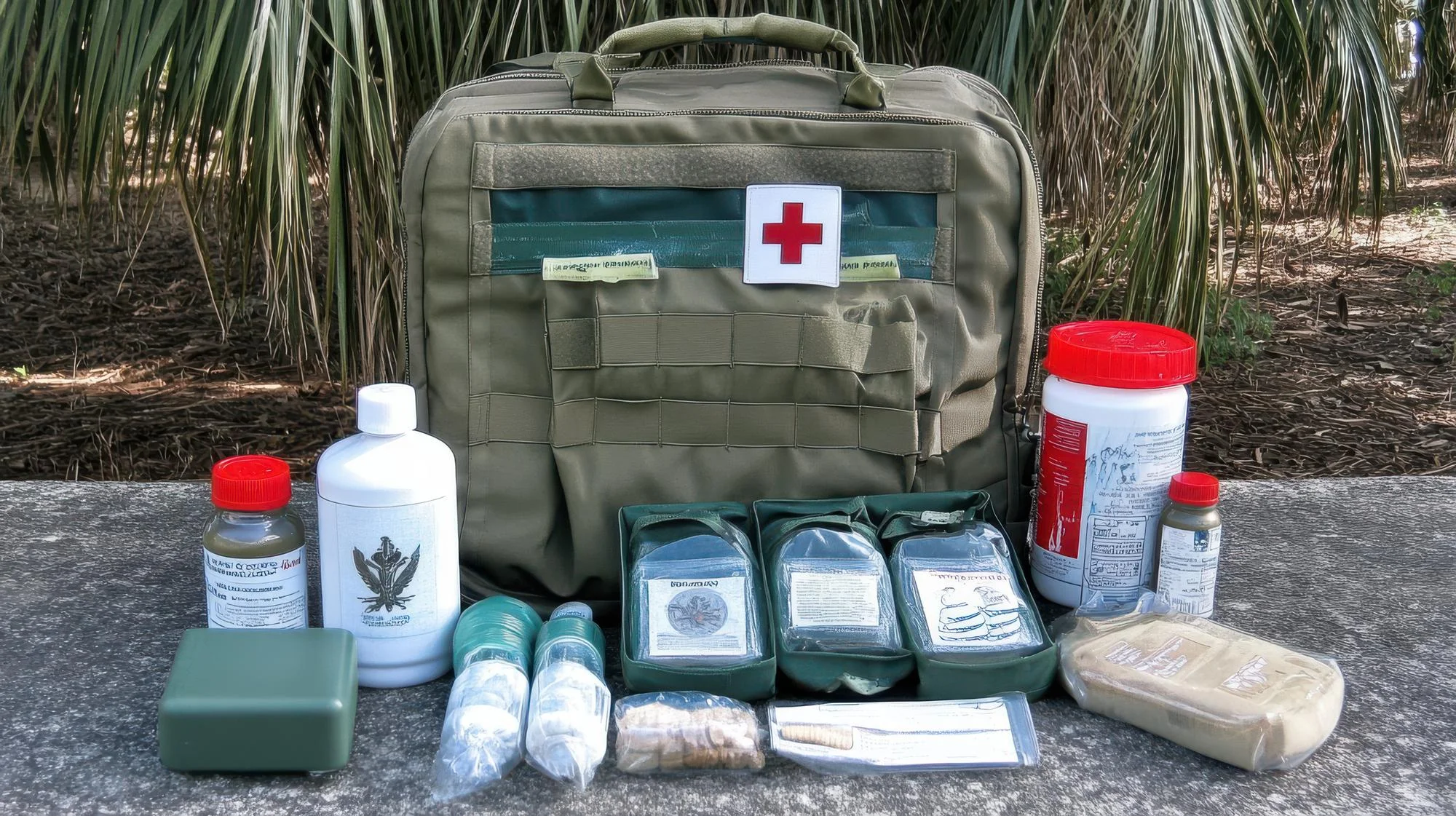


The key refill question for a long summer trip is not simply “How early can I fill this?” It is “What happens if this prescription becomes due after I have already left California?” A useful plan names the exact route that will be used rather than assuming another pharmacy, another state, or an insurer will solve the problem later.
Quick Answer
Before leaving California for a long trip, compare the medication on hand with the departure date, return date, and a reasonable delay window. CDC advises travelers to bring enough medication for the entire trip plus extra in case of delays, while noting that some insurance plans limit fills to 30 days at a time. If the current supply will not cover the trip, decide the refill route in advance. California law requires prescriber authorization for refills, and an unfilled electronic prescription received by a California pharmacy must generally be transferred or forwarded to another pharmacy at the patient’s request. Controlled prescriptions add federal and state limits: DEA allows a one-time transfer of an electronic Schedule II–V prescription between DEA-registered retail pharmacies when state law permits, but the prescription must remain electronic and the entire prescription moves with its authorized refills. A Schedule II prescription cannot simply be refilled. Even when a prescription can legally move, another pharmacy may not have the product, may not be in the insurer’s network, may not be able to prepare the same compound, or may be subject to the destination state’s law. For international travel, CDC advises bringing enough medication from home, keeping it in original labeled containers, and checking destination and transit-country restrictions rather than planning to mail or replace medication abroad.
Choose the Refill Route Before You Leave California
A long-trip refill plan should end with one named route rather than a list of possibilities. Ask which option is legally and practically available for the exact prescription.
Which refill route are you planning to rely on?
- Enough supply before departure
- Confirm that the authorized fill, expiration or beyond-use date, and storage plan cover the full trip.
- Regular pharmacy while away
- Ask whether the pharmacy can legally ship to the temporary address and whether the payer permits that delivery arrangement.
- Destination pharmacy
- Confirm that another pharmacy can receive the prescription and actually dispense the medication under local law.
- New prescriber order
- Know whether the prescriber can issue a replacement or new prescription if transfer is unavailable or inappropriate.
Decide Whether the Current Supply Can Cover the Trip
CDC advises travelers to take enough medicine for the entire trip plus extra for delays. Some insurance plans may limit fills to 30 days, so the clinically desired travel quantity and the quantity a plan will pay for are not always the same.
- Count what is actually on hand and compare it with the return date before asking for an early fill.
- On what date will the current supply run out if the medication is used exactly as prescribed?
- Does the trip include extra days for weather, missed connections, illness, or another delay?
- Does the prescription still have authorized refills, or is a new order required?
- Will the insurer pay for the amount needed before departure, or is a vacation override or other plan review required?
- Will the medication’s expiration or beyond-use date remain valid through the planned trip?
- If the supply cannot cover the trip, which exact refill route has been confirmed as the backup?
Know When an Electronic Prescription Can Move
California requires a pharmacy that has received an unfilled electronic prescription to transfer or forward it to another pharmacy designated by the patient or authorized requester. That rule can help when travel changes where the patient expects to fill the prescription.
Transferability is still different from fillability. The receiving pharmacy is subject to its own state law, licensing rules, inventory, payer contracts, and professional judgment.
- Unfilled electronic prescription
- Ask the current pharmacy whether the prescription is still unfilled and can be forwarded to the chosen destination pharmacy.
- Already-filled prescription
- A completed fill is not the same as an unfilled prescription waiting to be transferred.
- Destination-state law
- The receiving pharmacy must follow the law where it practices, even when the prescription originated in California.
- Receiving-pharmacy capability
- Confirm inventory, dosage form, storage, payer access, and other practical requirements before sending the prescription.
Confirm the Destination Pharmacy Can Actually Fill It
Calling a destination pharmacy before departure is often more useful than discovering a problem after the refill date arrives. Give the pharmacy enough information to determine whether it can handle the exact prescription.
- Medication and dosage form
- Confirm the exact product, strength or concentration, formulation, and dosage form rather than asking only whether the pharmacy “carries it.”
- Prescriber and prescription type
- Ask whether the pharmacy can legally accept the prescription or transfer under that state’s rules.
- Insurance network
- Check whether the pharmacy is covered by the patient’s plan and whether a specialty network or quantity rule applies.
- Storage and pickup
- For temperature-sensitive medication, confirm storage, pickup timing, and whether the prescription can be held appropriately until arrival.
Treat Controlled Medications as a Separate Travel Question
Controlled prescriptions should not be folded into a routine transfer plan. California prohibits refills for Schedule II prescriptions, while Schedule III and IV prescriptions have refill limits. Federal rules also govern transfers of electronic controlled-substance prescriptions.
DEA permits a one-time transfer of an electronic Schedule II–V prescription between DEA-registered retail pharmacies when state law allows it. The prescription must remain electronic, be transferred directly between licensed pharmacists, and the entire prescription—including authorized refills—moves to the receiving pharmacy.
- Schedule II
- Do not assume an early refill is available; Schedule II prescriptions cannot simply be refilled under California law.
- Schedule III or IV
- Refill count, prescription age, total supply, state law, and federal requirements can affect what is available while traveling.
- Electronic controlled prescription
- Ask whether a one-time DEA-compliant transfer is legally available for the exact prescription and destination pharmacy.
- Cross-state travel
- Confirm the destination pharmacy’s state-law requirements before assuming a California-controlled prescription can be dispensed there.
Do Not Assume Specialty or Compounded Access Will Follow You
A specialty or compounded prescription can be harder to replace outside California because the receiving pharmacy may need a different network relationship, product source, formulation capability, equipment, or preparation lead time.
CDC’s travel guidance also warns international travelers not to assume medications can be reliably obtained or shipped at the destination.
- Compounded prescription
- Ask whether the receiving pharmacy can prepare the same active ingredients, strength or concentration, dosage form, and storage condition.
- Specialty network
- Confirm whether the insurer requires a designated specialty pharmacy or limited-distribution channel.
- Scheduled shipment
- Ask whether the regular pharmacy can legally ship to the temporary address and whether the patient will be present to receive it.
- International destination
- Bring enough medication from home when possible and check destination and transit-country rules rather than planning to mail medication abroad.
Confirm the Refill Path Before You Cross the State Line
Fireside Pharmacy can help review refill timing, electronic prescription transfers, compounded or specialty prescriptions, storage, pickup, and delivery before a long trip.
A Long-Trip Refill Route Checklist
Use this list before leaving California for several weeks or longer.
- Calculate the date the current medication supply will run out and compare it with the return date plus a reasonable travel-delay window.
- Confirm remaining refills, prescriber renewal needs, insurer quantity limits, vacation-override requirements, expiration or beyond-use dates, and the amount the pharmacy can legally dispense.
- If the prescription may need to move, identify a specific destination pharmacy and ask whether it can receive the prescription under its state law and actually dispense the medication.
- For controlled prescriptions, review the medication schedule, refill status, federal electronic-transfer rules, destination-state law, and whether a new prescriber order may be necessary.
- For specialty or compounded prescriptions, confirm network access, formulation capability, preparation lead time, storage, inventory, and whether the regular pharmacy can ship to the temporary address.
- For international travel, bring enough medication from home when possible, keep it in original labeled containers, and check destination and transit-country medication restrictions before departure.
Frequently Asked Questions
Can I refill a California prescription at a pharmacy in another state?
Possibly, but do not assume it. The destination pharmacy must be able to accept the prescription under its own state law, and medication type, controlled-substance rules, prescriber requirements, insurance, and inventory can affect whether it can be filled.
Can an unfilled electronic prescription be transferred before I leave?
California requires an unfilled electronic prescription received by a pharmacy to be transferred or forwarded to another pharmacy at the patient’s request. The receiving pharmacy still has to be able to accept and fill it under applicable law.
Can a Schedule II prescription simply be refilled while I am traveling?
No. California prohibits refills of Schedule II prescriptions. Ask the prescriber and pharmacist before travel about the exact prescription and what legally available route applies.
Can my regular specialty pharmacy ship medication to a temporary out-of-state address?
Do not assume it. Ask the pharmacy whether it is licensed and permitted to serve the destination, whether the payer allows that delivery arrangement, and whether storage and signature requirements can be met.
Should I plan to have medication mailed to me during an international trip?
CDC advises international travelers to bring needed medications from home, keep them in original labeled containers, and check destination and transit-country laws. Mailing medication across international borders can create legal and customs problems.
Leave California With a Confirmed Refill Route, Not a Guess
Use the form above to request a call about long-trip refill timing, electronic transfers, compounded or specialty prescriptions, storage, pickup, or delivery.