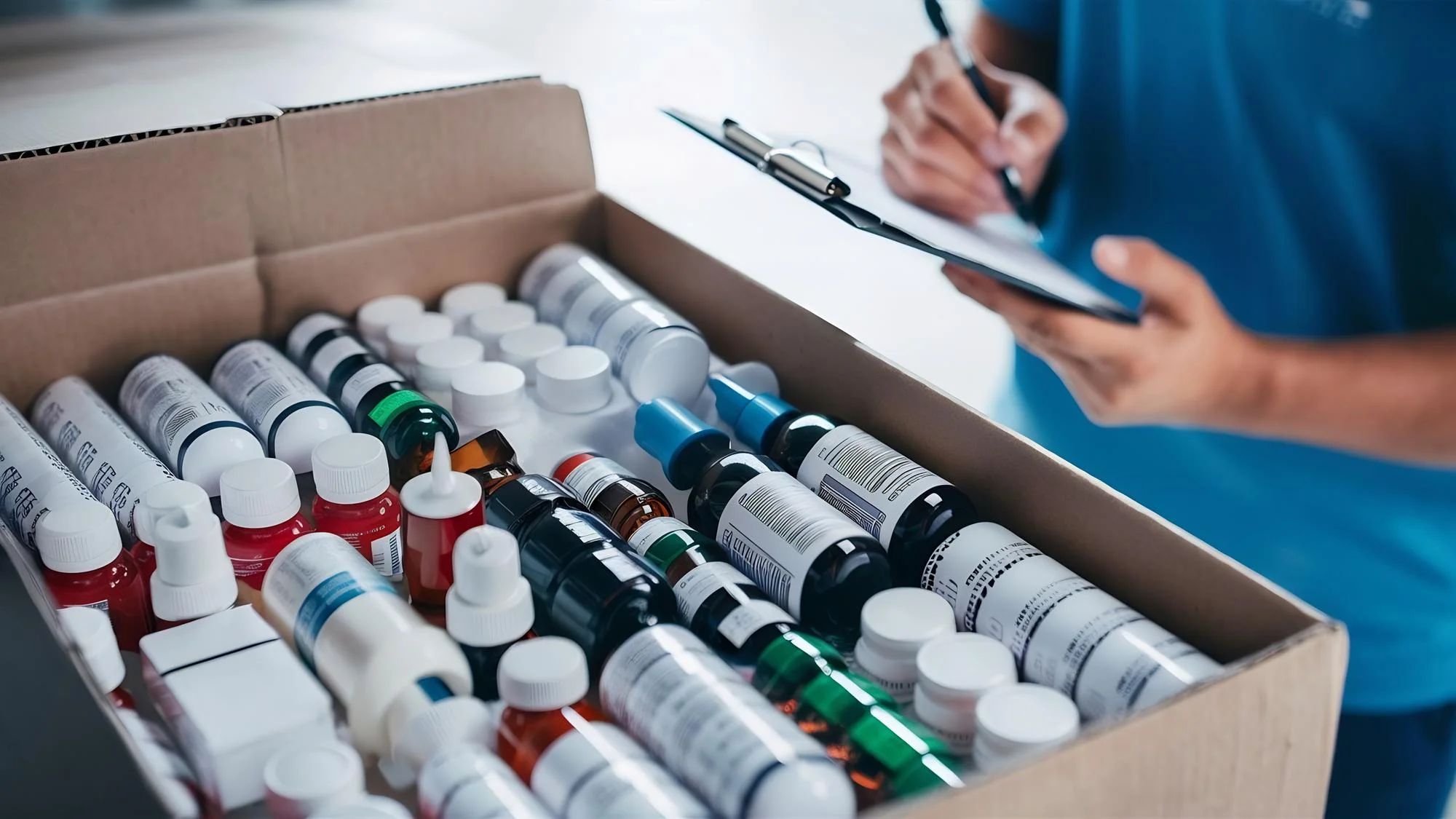


A routine prescription may be easy to replace at another pharmacy. A compounded or specialty medication may not be. The exact formulation, storage condition, device, authorization, prescriber order, ingredient availability, delivery method, or pharmacy capability can make continuity more complicated during a wildfire evacuation. That is why the planning should happen before smoke, road closures, or an evacuation order make every step harder.
Quick Answer
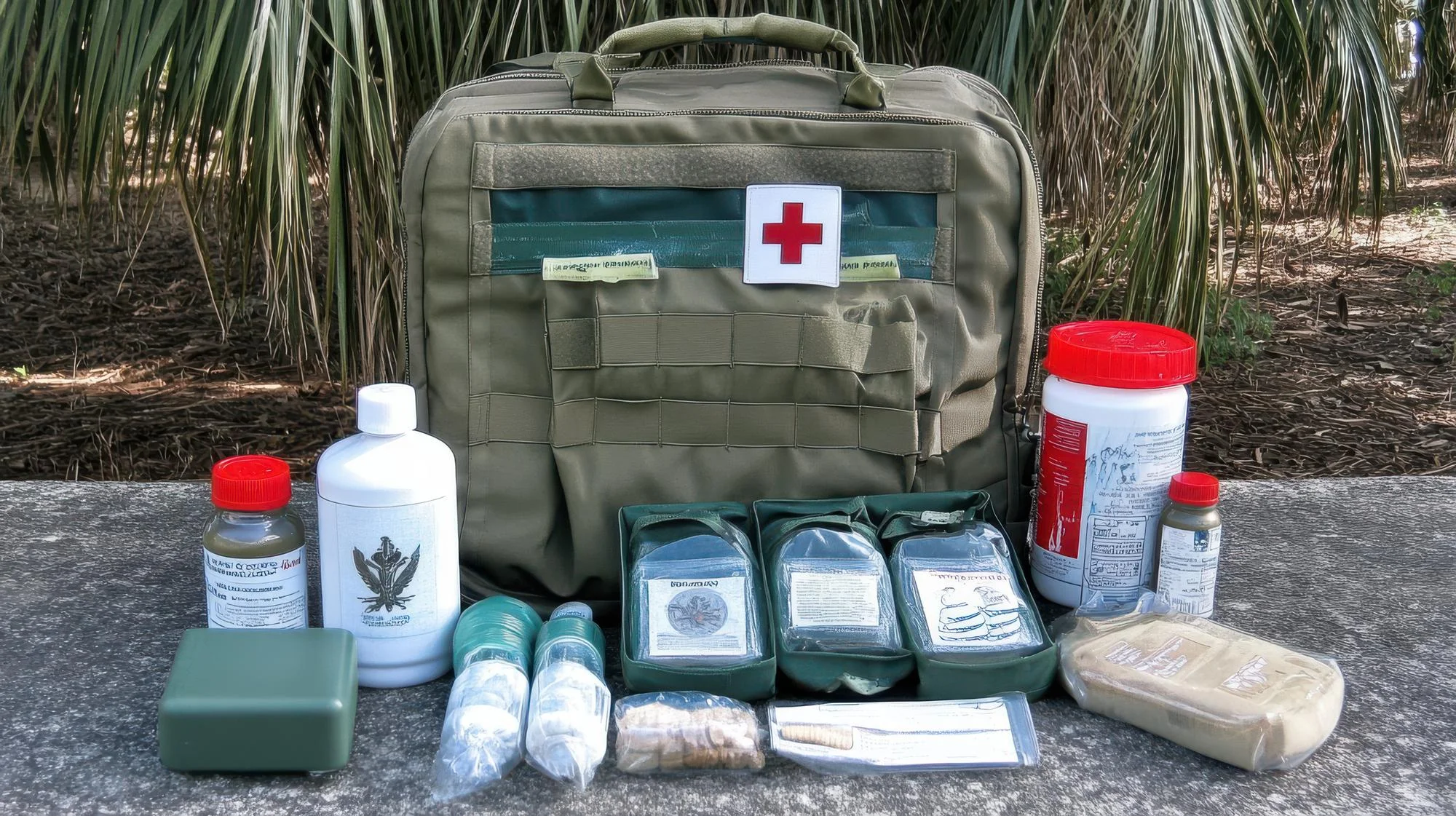
California wildfire guidance says to evacuate immediately when ordered and to keep an emergency kit with medications, copies of prescriptions, and medical supplies ready in advance. The California State Board of Pharmacy recommends a waterproof patient-care kit with medical contacts, a complete medication list, copies of prescriptions and insurance information, and at least one week’s supply of prescription medications. For compounded or specialty prescriptions, add the details that another pharmacist or clinician would need to understand the exact therapy: active ingredients shown on the label, strength or concentration, dosage form, directions, beyond-use or expiration date, storage condition, dispensing pharmacy, prescriber, refill status, and required devices or supplies. If refrigeration is required, the Board recommends having a cooler with ice packs available, but the exact packing method should still follow the dispensing pharmacy’s instructions so the medication is not accidentally frozen or exposed to the wrong condition. Do not delay evacuation to obtain medication. If a prescription is left behind, lost, damaged, or inaccessible, contact the pharmacy and prescriber as soon as it is safe to do so.
Why Compounded and Specialty Prescriptions Need a Different Evacuation Plan
Compounded and specialty medications can have more dependencies than a routine stock prescription. Even when another pharmacy is open, it may not be able to reproduce the same formulation or supply the same product immediately.
- Preparation lead time
- A compounded prescription may require ingredient review, preparation, checking, labeling and packaging before it can be dispensed.
- Storage requirements
- Some specialty or compounded medications need refrigeration, protection from heat, light or another specific condition.
- Devices and supplies
- Injection supplies, syringes, needles, spacers, nebulizer equipment, pumps or other administration items may need to travel with the medication.
- Authorization or network limits
- Prior authorization, specialty-pharmacy requirements or insurance network rules can affect replacement access.
Evacuation Readiness Is About the Medication System, Not Only the Bottle
Prescription, label, supply, storage, devices, prescriber, pharmacy and insurance information should travel together.
Build a Patient-Care Kit Around the Exact Prescription
The Board of Pharmacy recommends a waterproof patient-care kit with medication and healthcare records. For a compounded or specialty prescription, make that record specific enough that another pharmacy or clinician can understand what the patient is currently receiving.
What needs the most evacuation planning?
- What exact medication, formulation, strength or concentration, dosage form and directions appear on the current label?
- What expiration or beyond-use date applies to the medication currently on hand?
- What storage condition must be maintained during evacuation and at the temporary destination?
- What devices, administration supplies, batteries, chargers or accessories are required?
- How many days of medication are currently available, and when is the next authorized refill?
- What pharmacy, prescriber and insurance contacts would be needed if the regular refill cannot be completed?
Plan Temperature-Sensitive Transport Before an Evacuation
The Board recommends having a cooler with ice packs available when medications require refrigeration. The exact way a medication should be packed still depends on the preparation.
Ask the dispensing pharmacy in advance whether the medication can touch frozen packs directly, how it should be separated from ice, how long the travel setup is expected to maintain the labeled condition, and what to do when the patient reaches the temporary destination.
- Cooler ready
- Keep an appropriate cooler or transport container accessible rather than searching for one during an evacuation order.
- Ice-pack instructions
- Confirm whether direct contact with frozen material should be avoided for the exact prescription.
- Destination storage
- Know whether the shelter, hotel, family home or other destination can maintain the required storage condition.
- Power interruption
- Have a plan for refrigerated medication if the temporary location loses power or refrigeration.
Pack Devices and Administration Supplies With the Medication
Some therapies cannot be used as prescribed without the device or supply that goes with them. Store those items with the medication kit so they do not get left behind during a quick departure.
- Injection supplies
- Pack prescribed syringes, needles, alcohol swabs, sharps supplies and other administration items needed for the current regimen.
- Powered equipment
- Include chargers, batteries, power cords or backup power arrangements for equipment that depends on electricity.
- Dosing devices
- Keep oral syringes, measuring devices, applicators, pumps or other product-specific tools with the prescription.
- Written instructions
- Keep current pharmacy directions and device instructions accessible if another caregiver or clinician may need to help.
Check Refill and Receiving-Pharmacy Capability Early
The Board recommends at least one week’s supply in the emergency kit, but that is a preparedness goal, not an automatic right to an early refill. Insurance timing, controlled-substance rules, prescriber authorization, inventory, compounding capability and pharmacist judgment can all affect what may be dispensed.
If the regular pharmacy becomes inaccessible, identify another pharmacy that is open and ask whether it can actually handle the prescription before requesting a transfer or new order.
- Compounding capability
- Ask whether the receiving pharmacy can prepare the same dosage form, strength or concentration and whether it needs a new prescription.
- Specialty access
- Check whether the medication is limited to a specialty network, special-order channel or scheduled shipment.
- Prior authorization
- Ask whether a pharmacy change, quantity change or replacement fill affects the existing authorization.
- Controlled prescription
- Do not assume transfer or emergency refill rules are the same as for a routine medication; ask the pharmacist and prescriber.
- Rx Open
- The Board points patients to Rx Open for pharmacies operating in disaster-affected areas, but conditions can change quickly, so call ahead when possible.
- Prescriber contact
- Keep clinic and after-hours information available in case a new prescription or clarification is required.
Know What to Do if You Must Leave Before the Plan Is Complete
CDPH is clear that when an evacuation is ordered, protecting people comes first. Do not delay departure to search for medication, wait for a refill, or return to an unsafe area for a prescription.
Once you are safe, contact the dispensing pharmacy and prescriber. California law gives pharmacists limited emergency-refill authority in some circumstances when the prescriber is unavailable and interruption of ongoing care could significantly affect the patient, but that authority depends on the prescription and pharmacist judgment.
- Medication left behind
- Do not re-enter an unsafe evacuation area. Contact the pharmacy and prescriber from a safe location.
- Medication lost or damaged
- Keep the label, prescription number, medication list, insurance information and exposure details available when asking about replacement.
- Regular pharmacy closed
- Use disaster pharmacy information such as Rx Open and call an available pharmacy to confirm capability before traveling there.
- Urgent interruption risk
- Explain the medication, remaining supply, current prescription status and why access has been disrupted so the pharmacist can assess available options.
Prepare the Specialty Prescription Before an Evacuation Warning
Fireside Pharmacy can help review compounded and specialty prescription supply, storage, devices, refill timing, pickup, delivery, and continuity questions.
A Wildfire Evacuation Checklist for Compounded and Specialty Medications
Use this list before wildfire conditions threaten your area.
- Keep a waterproof patient-care kit with current medication and allergy lists, copies of prescriptions, insurance information, prescriber contacts and pharmacy contacts.
- Maintain the preparedness supply recommended by California’s Board of Pharmacy when legally and practically available, and rotate the supply so it does not expire.
- For compounded prescriptions, keep the current formulation, strength or concentration, dosage form, directions, beyond-use date and storage instructions with the medication.
- Pack required devices, injection or administration supplies, batteries, chargers and written instructions with the prescription rather than in a separate bag.
- For refrigerated or temperature-sensitive medication, prepare the pharmacy-approved transport setup and confirm destination storage before an evacuation order.
- If the regular pharmacy becomes inaccessible, confirm that another pharmacy is open and capable of handling the exact prescription before requesting a transfer or new order.
Frequently Asked Questions
How much prescription medication should I keep ready for a wildfire evacuation?
The California State Board of Pharmacy recommends at least one week’s supply in a patient-care kit. Actual refill timing still depends on the prescription, insurance, prescriber authorization, medication type and pharmacist judgment.
What information should I keep for a compounded prescription?
Keep the current pharmacy label, active ingredients shown on the label, strength or concentration, dosage form, directions, beyond-use date, storage condition, prescription number, prescriber and dispensing-pharmacy contact.
Can I place a refrigerated prescription directly against ice packs during evacuation?
Not automatically. The Board recommends having a cooler with ice packs available for medications that require refrigeration, but the pharmacy should confirm the packing method for the exact medication so accidental freezing is avoided.
Can any open pharmacy replace my compounded or specialty medication?
No. Another pharmacy may not have the required ingredients, dosage form, specialty access, authorization, storage setup or compounding capability. Call first and provide the exact prescription information.
What if I have to evacuate before I can pick up my refill?
Leave when ordered. Do not delay evacuation for medication. Once you are safe, contact the pharmacy and prescriber to discuss refill, transfer, replacement or emergency options available for the exact prescription.
Make the Medication Plan Before the Evacuation Order
Use the form above to request a call about compounded or specialty prescription supply, storage, devices, refill timing, pickup, delivery, or continuity planning.