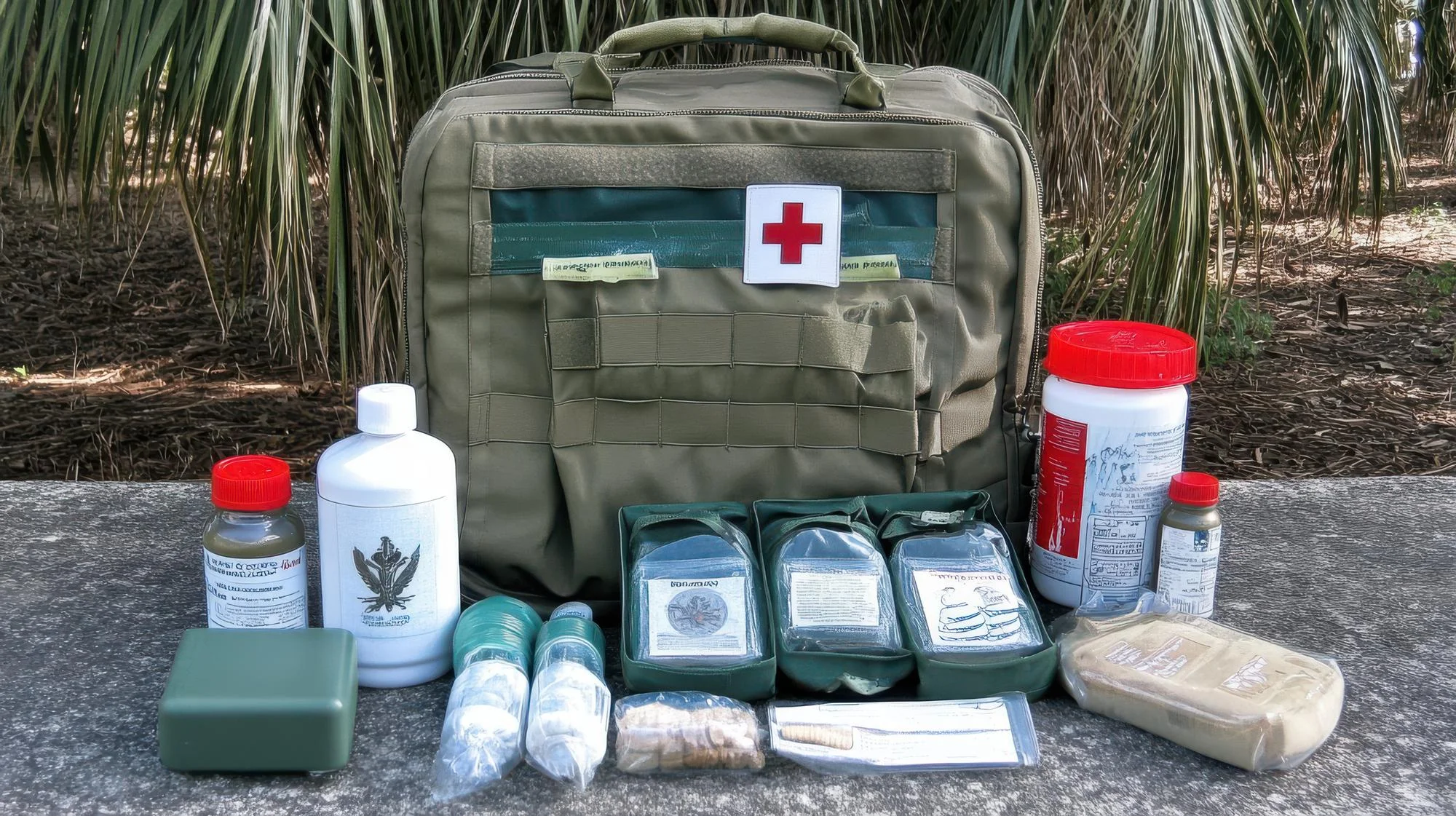

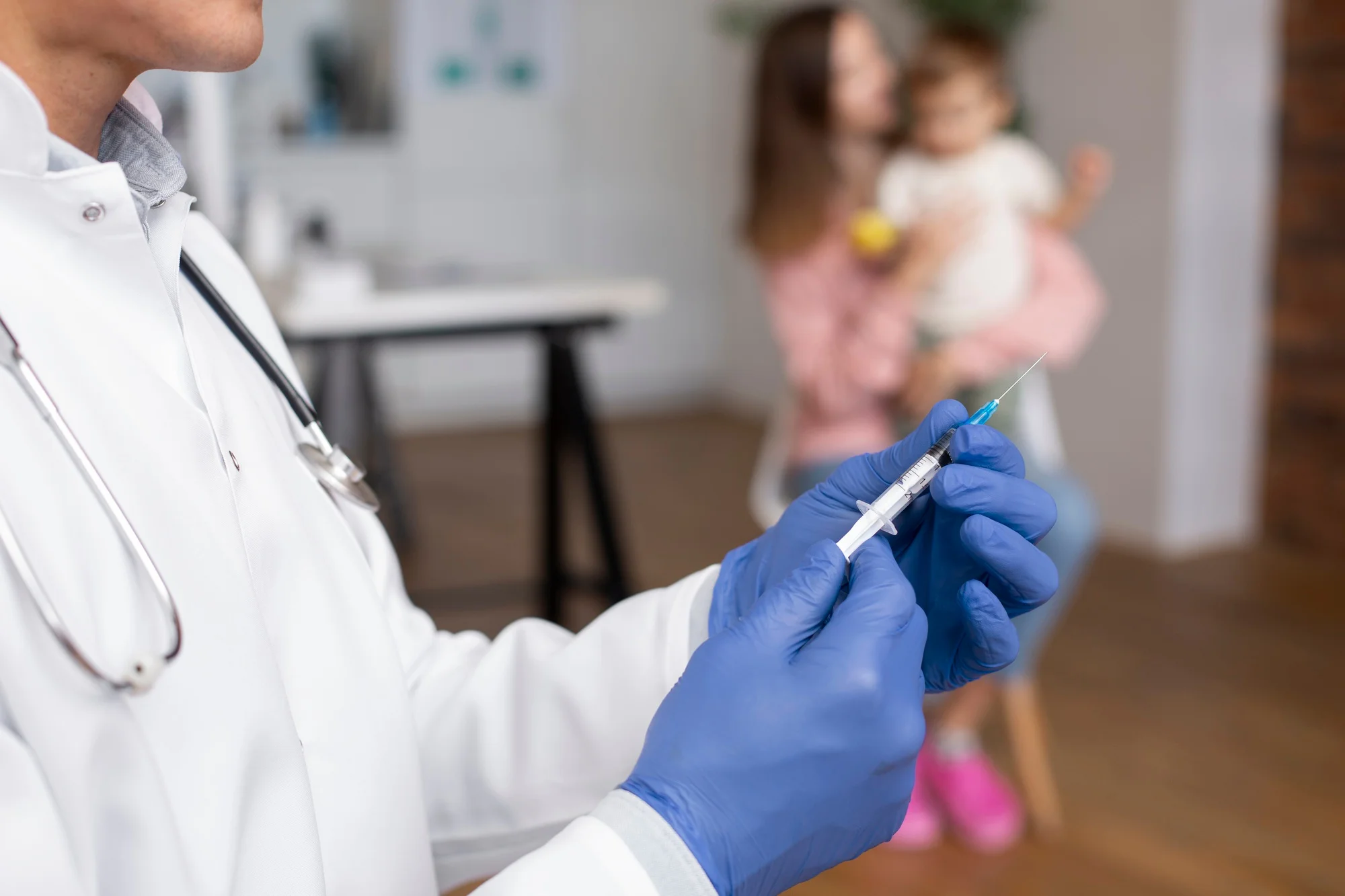
Respiratory-season preparation does not have to begin with a vaccine appointment or an extra prescription. It can begin with something more basic: making sure the records that clinicians and pharmacists will rely on are accurate. One record explains what medications the patient is taking now. The other shows which immunizations were actually documented. When both are current, later questions about refills, vaccination, interactions, testing, or treatment can start from better information.
Quick Answer
CDPH’s August 2026 surveillance guidance defines the 2026–27 respiratory virus season as July 5, 2026 through July 3, 2027. It notes that SARS-CoV-2 commonly circulates during summer, while influenza and RSV activity typically starts increasing in fall and peaks during winter. On August 24, CDPH also reported that COVID-19 infections were increasing across California. Use this period to reconcile two records before respiratory activity becomes more disruptive. First, update the medication list from current pharmacy labels: prescription names, strengths, dosage forms, directions, nonprescription medicines, supplements, allergies, prescriber, and dispensing pharmacy. Second, request the California Digital Vaccine Record and compare it with pharmacy, clinician, school, or paper records. CDPH says the DVR is an official California immunization record, but some doses may be missing because they were not reported or have not yet appeared in CAIR. A complete-looking record also does not decide which vaccine is currently recommended for a particular person. Check the current CDPH recommendation with the appropriate clinician or pharmacist. California pharmacists may administer CDPH-recommended immunizations to people age three and older without a physician prescription, but inventory, age, clinical eligibility, appointment availability, and coverage can still vary by pharmacy.
Use August as a Record-Review Month
California’s surveillance work for the new respiratory season is already underway even though influenza and RSV usually become more active later. That makes August useful for preparation that does not depend on guessing what the winter will look like.
- Respiratory season began July 5
- CDPH uses July 5, 2026 through July 3, 2027 as the current surveillance season for influenza, RSV, SARS-CoV-2, and other respiratory viruses.
- Flu and RSV usually rise later
- CDPH’s August laboratory guidance says influenza and RSV activity typically begins increasing in fall and peaks during winter months.
- COVID-19 was rising in late August
- CDPH reported statewide increases in COVID-19 activity on August 24 and encouraged Californians to use current prevention guidance.
- Records can be fixed before the rush
- Missing refill information or vaccine documentation is easier to resolve before a patient is sick or trying to schedule a time-sensitive appointment.
Build a Two-Record Fall Readiness Packet
Keep the medication record and immunization record together, but do not merge them into one confusing list. They answer different questions.
What still needs attention before fall?
- Medication record
- Shows what the patient is using now and helps clinicians or pharmacists review refills, interactions, and new prescriptions.
- Vaccine record
- Shows which doses were documented and gives the healthcare professional evidence to review against current recommendations.
- Contact record
- Keep the prescriber, pharmacy, after-hours clinical route, and insurance information with the two primary records.
- Last-updated date
- Mark when each record was reviewed so an old list is less likely to be mistaken for current information.
Reconcile the Medication List Against Current Labels
Do not carry an old portal medication list into respiratory season without checking it. Use current pharmacy labels and the regimen the patient is actually following.
- Does every active prescription on the list match a current pharmacy label?
- Are the strength, dosage form, and directions still correct?
- Have discontinued medications been removed so they are not mistaken for active therapy?
- Are regularly used nonprescription medicines and supplements included?
- Are medication allergies and prior serious reactions clearly identified?
- Does the list show the current prescriber and the pharmacy that can verify refill information?
- Check refill status
- Identify prescriptions with no remaining refill or a renewal due before fall gets busier.
- Check respiratory devices
- Confirm prescribed inhalers, spacers, nebulizer supplies, or other administration equipment are current when applicable.
- Keep complex prescriptions identifiable
- For compounded or specialty prescriptions, include the exact dosage form, concentration, storage condition, and dispensing pharmacy.
- Save a copy outside the medicine cabinet
- Keep a secure paper or digital copy where it can be reached during an appointment or urgent call.
Pull the California Vaccine Record and Repair Missing Entries
California’s Digital Vaccine Record gives residents access to immunizations reported to the California Immunization Registry. CDPH describes it as an official California record that can include vaccination dates, vaccines received, and future recommendations.
CDPH also cautions that not every dose may appear. Some providers may not have reported older doses, an out-of-state vaccine may be absent, or reporting may still be catching up.
- Request the DVR
- Use the state record as one source for documented immunizations rather than relying only on memory.
- Compare other records
- Check pharmacy, clinician, school, occupational-health, paper, or out-of-state records when a dose seems to be missing.
- Ask the reporting provider to correct gaps
- CDPH says patients with missing doses should work with the healthcare provider so vaccine information can be submitted to the registry.
- Do not create a new vaccine story from a registry gap
- A missing CAIR entry does not by itself prove that the vaccination was never given.
Separate “Record Complete” From “Vaccination Due”
A record can be complete and still show that a vaccination is due. A record can also look incomplete even when the patient already received a dose elsewhere. Record reconciliation should come before interpretation.
California’s vaccine recommendations are maintained by CDPH and can be updated as evidence and professional guidance change. Use the current recommendation rather than an old screenshot, previous-season handout, or social-media post.
- Record question
- Was the vaccination documented, and is the documentation complete enough to review?
- Recommendation question
- Based on age, health status, pregnancy, prior doses, and current California guidance, is a vaccination recommended now?
- Timing question
- If a vaccination is recommended, what timing applies before school, travel, work, pregnancy, or the usual fall increase in respiratory illness?
- Access question
- Which pharmacy, clinician, health department, or other authorized setting can provide it?
Pre-Assign the Pharmacy and Clinician Jobs
Before fall, decide who will handle each type of question. That reduces time lost when a refill, vaccine, or illness issue becomes urgent.
- Ask the pharmacy
- Use the pharmacy for current prescription labels, refill status, medication lists, interaction questions about a new prescription, vaccine availability, appointment details, pickup, and delivery.
- Ask the clinician
- Use the healthcare provider for diagnosis, symptom evaluation, testing decisions, prescription treatment, complex vaccine eligibility, and changes to the medication plan.
- Use the California vaccine record
- Use the DVR to retrieve documented vaccinations and then reconcile missing or inconsistent information with the provider or pharmacy that administered the dose.
- Check pharmacy vaccine access
- California pharmacists may administer CDPH-recommended immunizations to people age three and older without a physician prescription, but availability and individual eligibility still need confirmation.
Update the Medication List and Vaccine Record Before Fall Gets Busier
Fireside Pharmacy can help review current prescription labels, refill status, medication lists, vaccine access, compounded prescriptions, pickup, and delivery.
A Respiratory Season Record Checklist
Use this list in August before respiratory activity, school schedules, and fall appointments make record problems harder to resolve.
- Rebuild the medication list from current prescription labels and the regimen actually being used, including nonprescription medicines, supplements, allergies, prescriber, and pharmacy.
- Check remaining refills and renewal dates for important prescriptions, including compounded, specialty, and respiratory medications that may require extra preparation or authorization time.
- Request the California Digital Vaccine Record and compare it with pharmacy, clinician, paper, school, occupational-health, or out-of-state documentation.
- If a dose appears missing, work with the healthcare provider or pharmacy that administered it rather than assuming the vaccination never happened.
- Use current CDPH recommendations to determine whether a vaccination is due; do not rely only on a previous-season schedule or a complete-looking registry record.
- Confirm the pharmacy and clinician contact routes now, including where vaccines may be available and who should be called first if respiratory symptoms create a time-sensitive prescription or treatment question.
Frequently Asked Questions
Has California’s 2026–27 respiratory season already started?
For surveillance purposes, yes. CDPH defines the 2026–27 respiratory virus season as July 5, 2026 through July 3, 2027. Influenza and RSV typically increase later in fall, while SARS-CoV-2 can circulate during summer.
Why review medication records if I feel well right now?
Current records can reduce delays later if a refill, interaction review, prescription treatment, vaccination appointment, or urgent clinical call is needed during respiratory season.
Is California’s Digital Vaccine Record guaranteed to show every vaccination I have ever received?
No. CDPH says some doses may not appear because they were not reported to CAIR or because reporting is incomplete. Compare other records and work with the healthcare provider when a dose is missing.
If my vaccine record is complete, does that mean I am done for the season?
Not necessarily. A complete record shows documented history. Current California recommendations, age, health status, pregnancy, prior doses, and other factors determine whether a vaccination is recommended now.
Can I ask a California pharmacist about respiratory vaccines?
Yes. California pharmacists may administer CDPH-recommended immunizations to people age three and older without a physician prescription. Call the pharmacy to confirm the specific vaccine, age, appointment, inventory, coverage, and whether the situation needs clinician review.
Start Fall With Two Records You Can Trust
Use the form above to request a call about medication lists, refills, vaccine access, compounded prescriptions, pickup, or delivery.