
The May 2026 mushroom update was not a routine seasonal reminder. California health officials reported a late-spring resurgence of severe amatoxin poisonings after the usual peak period, with cases linked to wild mushrooms that can resemble edible varieties. The household response should therefore be simple: treat a possible ingestion as a poison-exposure question, not as a home-treatment experiment.
Quick Answer
On May 14, 2026, the California Department of Public Health reported a resurgence of poisoning associated with amatoxin-containing wild mushrooms in Northern California and the Central Coast, with new blooms also reported in parts of Southern California. As of May 11, California Poison Control had received 47 cases linked to the ongoing outbreak, including four deaths and at least four liver transplants. Eight cases had been reported in the previous four weeks, including four in the most recent week. Death Cap and Western Destroying Angel mushrooms can resemble edible varieties, and their amatoxins are not removed by boiling, cooking, or drying. If a wild mushroom may have been eaten, do not wait for symptoms to appear and do not induce vomiting. Call California Poison Control at 1-800-222-1222, even if you are not sure the mushroom is poisonous. Keep any remaining mushroom pieces, useful photos, and location information when possible. Call 911 for life-threatening symptoms such as trouble breathing, collapse, seizure, or inability to awaken. A pharmacist can help later with prescription or OTC medication questions, but suspected mushroom poisoning requires poison-control or emergency guidance first.
What California Reported in May
CDPH’s May 14 health update described a resurgence of amatoxin-containing mushroom poisonings beyond the normal peak season. The state said recent spring rains were likely contributing to unusual late-spring growth of poisonous mushrooms.
As of May 11, 2026, 47 cases had been reported to the California Poison Control System in the ongoing outbreak. The severe outcomes included four deaths and at least four liver transplants. Eight cases had been reported during the preceding four weeks, including four in the most recent week.
- 47 reported cases
- The May update described an unprecedented outbreak compared with California’s usual annual case count.
- Four deaths
- Severe amatoxin poisoning had already resulted in fatal outcomes during the outbreak.
- At least four liver transplants
- Some patients developed liver injury severe enough to require transplantation.
- Late-spring resurgence
- Eight recent cases were reported after the normal peak period, including four in the most recent week.
Why Waiting for Symptoms Is Risky
California Poison Control notes that symptoms from poisonous mushrooms can be delayed, often developing six to twelve hours after ingestion. Serious amatoxin poisoning can cause vomiting, diarrhea, abdominal pain, and later liver injury.
CDPH’s public advice is direct: seek help immediately after a suspected poisonous mushroom ingestion and do not wait for symptoms. Treatment becomes more difficult once symptoms begin.
What happened?
When to Call California Poison Control
Call 1-800-222-1222 when someone has eaten a wild mushroom or when you are unsure whether a mushroom exposure could be harmful. California Poison Control says calling even when you are uncertain is appropriate.
If the person has life-threatening symptoms, call 911. Severe vomiting, diarrhea, or stomach pain after wild mushroom ingestion also warrants urgent medical attention.
- Known ingestion
- Call Poison Control even if no symptoms have appeared.
- Uncertain mushroom
- Call rather than relying on appearance, taste, a phone app, or an online photo match.
- Symptoms developing
- Follow Poison Control or emergency medical guidance promptly; do not continue home observation without professional advice.
- Life-threatening symptoms
- Call 911 for trouble breathing, collapse, seizure, inability to awaken, or another medical emergency.
What Information to Have Ready When You Call
The poison specialist may ask about the person, the exposure, the mushroom, and the timing. You do not need every answer before calling. Call first, then provide what you know.
- Who ate the mushroom, including approximate age and weight if known?
- About what time was it eaten, and how much may have been consumed?
- Was the mushroom eaten raw, cooked, dried, or prepared in a mixed dish?
- Are any mushroom pieces, leftovers, or clear photos still available?
- Where was the mushroom found or collected?
- Has the person developed vomiting, diarrhea, abdominal pain, weakness, confusion, or another symptom?
- Keep mushroom pieces
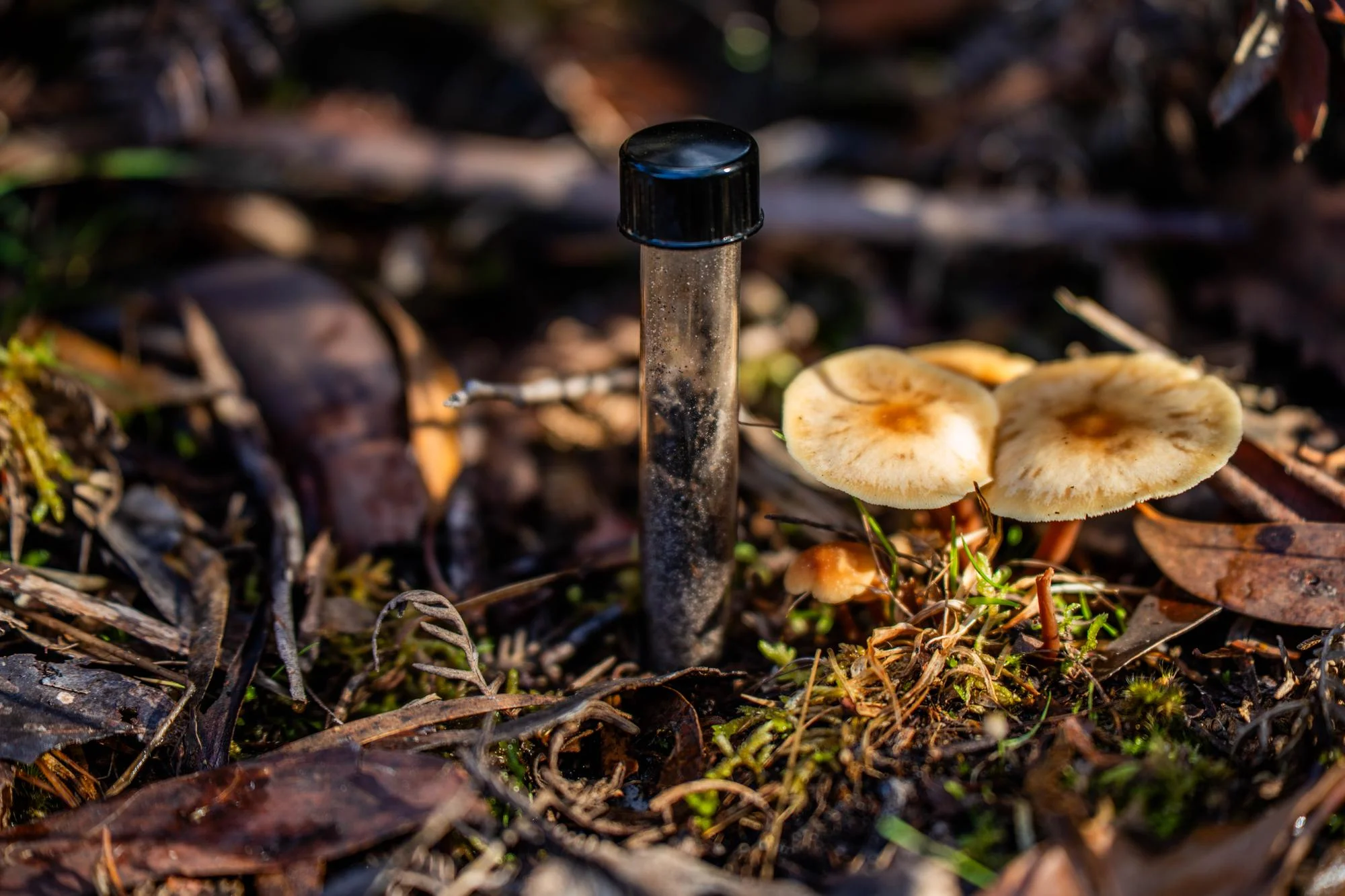
- California Poison Control recommends saving plant or mushroom material when possible for identification.
- Keep useful photos
- CDPH advises documenting foraged mushrooms with informative photos and location information.
- Do not delay the call
- Identification material is helpful, but you do not need to finish identifying the species before contacting Poison Control.
- Bring material if instructed
- If Poison Control advises hospital evaluation, follow its instructions about bringing mushroom pieces or other information.
What Not to Do After a Wild Mushroom Exposure
Several common reactions can delay appropriate care or create additional risk. The safest approach is to preserve useful information and obtain poison-control guidance.
- Do not induce vomiting
- California Poison Control specifically advises against making the person vomit.
- Do not wait for symptoms
- Serious mushroom poisoning can have a delayed onset, and CDPH says treatment becomes more difficult after symptoms begin.
- Do not trust cooking as detoxification
- CDPH says amatoxins in Death Cap and Western Destroying Angel mushrooms are not removed by boiling, cooking, or drying.
- Do not rely on an app alone
- CDPH advises relying on local expert knowledge rather than apps or websites for mushroom identification.
- Do not self-treat with leftover medicine
- Do not use anti-nausea, anti-diarrheal, pain, or other medication as a substitute for poison-control or medical evaluation.
- Do not discard the evidence immediately
- Keep mushroom pieces, leftovers, photos, and collection-location information when safely possible.
How Prescription and OTC Medication Questions Fit In
After poison-control or emergency guidance begins, patients may still have questions about their regular prescriptions. Vomiting, diarrhea, hospitalization, dehydration, or changes in eating and drinking can complicate the normal medication routine.
Do not independently double, replace, skip, or repeat a prescription dose because of mushroom exposure or vomiting. Ask the treating clinician, Poison Control, pharmacist, or prescriber what applies to the exact medication and situation.
- Regular prescription due
- Ask the medical team or pharmacist whether the usual dose should be taken, delayed, or otherwise handled after the exposure.
- Dose was vomited
- Do not automatically repeat the dose; ask whether redosing is appropriate for that medication.
- OTC symptom medicine
- Do not add anti-nausea, anti-diarrheal, pain, or other OTC products without checking whether they fit the poisoning-management plan.
- Compounded prescription
- Keep the current label and medication list available if the treating team needs to review ingredients, strength, dosage form, or timing.
For Suspected Mushroom Poisoning, Call Poison Control First
After poison-control or medical guidance is underway, Fireside Pharmacy can help review prescription labels, refill timing, compounded medications, OTC products, pickup, and delivery questions.
A Wild Mushroom Exposure Checklist
Use this list if a wild mushroom may have been eaten.
- Call California Poison Control at 1-800-222-1222 immediately, even if the person feels well or you are unsure whether the mushroom is poisonous.
- Call 911 for life-threatening symptoms such as trouble breathing, collapse, seizure, inability to awaken, or another medical emergency.
- Do not induce vomiting and do not wait for symptoms before seeking poison-exposure guidance.
- Keep any remaining mushroom pieces, leftovers, useful photos, and collection-location information when it is safe to do so.
- Be ready to share who was exposed, approximate amount, time of ingestion, preparation method, current symptoms, and other relevant health information.
- Do not use home remedies, leftover prescriptions, or OTC symptom medicines as a substitute for Poison Control or emergency evaluation.
Frequently Asked Questions
How many poisonous mushroom cases had California reported by May 2026?
CDPH reported that 47 cases had been reported to California Poison Control as of May 11, 2026, with four deaths and at least four liver transplants in the ongoing outbreak.
Should I wait for symptoms before calling Poison Control?
No. CDPH and California Poison Control advise seeking help immediately after a suspected poisonous mushroom ingestion because symptoms can be delayed and treatment becomes more difficult once symptoms develop.
Can cooking or drying make a Death Cap or Western Destroying Angel safe?
No. CDPH says the amatoxins in these mushrooms are not removed by boiling, cooking, or drying.
Should I make someone vomit after eating a wild mushroom?
No. California Poison Control advises against inducing vomiting. Call 1-800-222-1222 for professional guidance.
Can a pharmacy identify a wild mushroom or treat mushroom poisoning?
A pharmacy can help with medication questions, but suspected mushroom poisoning needs California Poison Control or emergency medical guidance. Do not delay that call while seeking pharmacy advice.
After a Wild Mushroom Ingestion, Call First and Treat Later
For suspected poisoning, call California Poison Control at 1-800-222-1222. For non-emergency medication follow-up after medical guidance begins, use the form above.