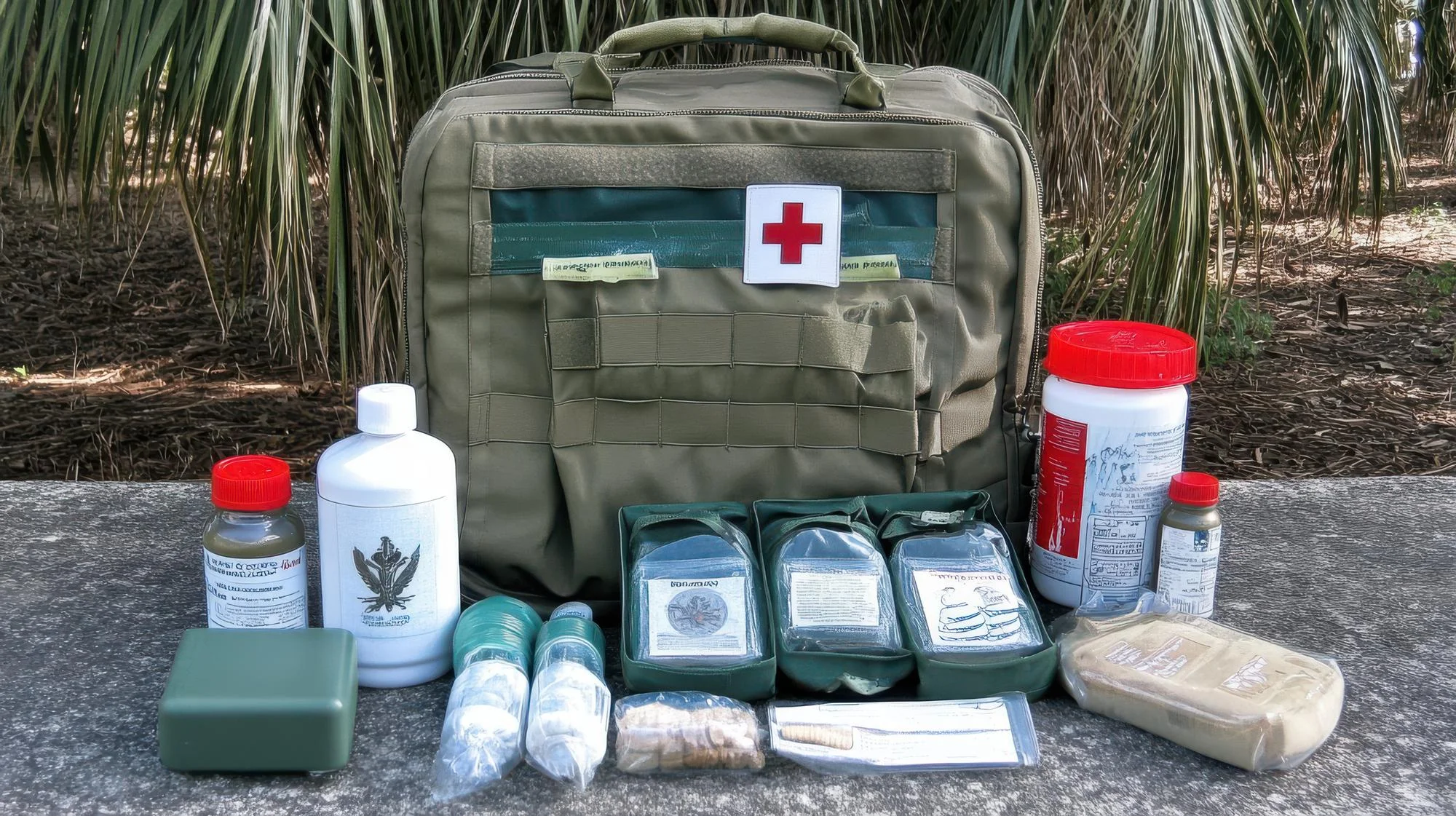


A winter respiratory surge does not mean every patient needs extra medication. It does mean that a missing refill, empty inhaler, outdated medication list, or duplicate OTC ingredient can become more disruptive during a holiday week.
Quick Answer
California influenza activity was rising as the 2025 holiday season approached. Patients at higher risk of complications can prepare by checking regular prescription supply, confirming respiratory medicines and devices are current, reviewing OTC products for duplicate active ingredients, carrying an updated medication list, and knowing which clinician to contact if flu symptoms develop. Do not start extra prescription medication, change doses, or use someone else’s medicine “just in case.” If you become ill and are in a higher-risk group, contact your clinician promptly because some flu treatment decisions are time-sensitive.
Why Medication Readiness Matters as Flu Activity Rises
California public-health surveillance tracks flu test positivity, emergency visits, hospitalizations, and other indicators across the respiratory-virus season. By late December 2025, influenza activity was moving upward statewide.
For patients managing chronic conditions, the pharmacy issue is often indirect. Flu can disrupt eating, sleep, hydration, breathing, blood-sugar routines, travel plans, caregiver schedules, and the timing of regular prescriptions.
- Holiday hours
- Prescriber offices and pharmacies may have reduced or changed schedules.
- Travel
- Patients may be away from the pharmacy that normally manages their prescriptions.
- Respiratory symptoms
- Inhalers, nebulizer supplies, and other regular respiratory medicines may become more important.
- OTC additions
- Cold and flu products can add ingredients already present in another medication.
Which Medications and Supplies Should Be Reviewed Before a Holiday Week?
The goal is not to stockpile. The goal is to know what you already use, whether the supply is adequate through the holiday schedule, and whether anything requires prescriber or pharmacy follow-up.
Choose the situation closest to yours
Chronic prescriptions
Respiratory medications
Holiday travel
Caregiver planning
- Regular prescriptions
- Confirm enough authorized supply for the planned holiday period.
- Respiratory medicines
- Check inhalers, nebulizer medicines, spacers, masks, tubing, and other prescribed supplies you regularly use.
- Monitoring supplies
- Review supplies used for conditions such as diabetes when illness can disrupt normal routines.
- Medication list
- Keep names, strengths, directions, allergies, prescribers, and pharmacy information current.
Readiness Does Not Mean Self-Treatment
Check Cold and Flu Products for Duplicate Active Ingredients
Many multi-symptom cold and flu products contain more than one active ingredient. A patient can unintentionally take the same ingredient in two products if the front labels emphasize different symptoms.
Before adding an OTC product, read the active-ingredient panel and compare it with anything else you are taking. This matters especially when a patient already uses prescription medicines or has chronic medical conditions.
Ask Before Combining Products
Six Questions to Ask Before the Holiday Schedule Begins
01. Will any regular prescription run out during a holiday closure or trip?
02. Are my inhalers, respiratory medications, and devices current and usable?
03. Do I know which OTC active ingredients I am already taking?
04. Do I have an updated medication and allergy list with me?
05. Who should I contact if flu symptoms develop while my regular office is closed?
06. If I am traveling, how will I store and carry my regular prescriptions?
Resolve Routine Medication Questions Early
Fireside Pharmacy can help with refill timing, medication lists, pickup, delivery, transfer, storage, and OTC-product questions.
If Flu Symptoms Develop, Know Who to Contact
People at higher risk of flu complications should contact a clinician promptly when flu symptoms develop because evaluation and prescription-treatment decisions may be time-sensitive. The pharmacy can answer dispensing and medication-use questions, but it does not replace a medical evaluation.
Seek urgent medical attention for severe or rapidly worsening symptoms such as significant trouble breathing, chest pain, severe confusion, fainting, or other signs that something may be seriously wrong.
Do Not Wait on a Pharmacy Question if Symptoms Are Severe
A Holiday Medication Checklist for Higher-Risk Patients
Use this list before travel, family gatherings, or a week when your usual healthcare offices may have different hours.
01. Check the next refill date for every regular prescription.
02. Confirm inhalers, respiratory medicines, and related devices are current and available.
03. Update your medication, allergy, prescriber, and pharmacy information.
04. Review OTC cold and flu products for duplicate active ingredients before using them.
05. Pack enough authorized medication for travel and keep storage instructions with temperature-sensitive products.
06. Know which clinician or after-hours service to contact if flu symptoms develop.
Frequently Asked Questions
Why should higher-risk patients review medications before the holidays?
Holiday hours, travel, respiratory illness, and caregiver schedule changes can make ordinary refill or supply problems harder to solve. Reviewing regular medications early helps identify issues while the pharmacy and prescriber are easier to reach.
Should I ask for extra prescription medication because flu activity is rising?
Do not stockpile or take more than prescribed. Check whether you have enough authorized medication for your normal schedule and ask the pharmacy if a refill will fall during a closure or trip.
Why are OTC cold and flu products easy to duplicate?
Multi-symptom products may contain several active ingredients. Two products with different front-label claims can still share the same ingredient. Read the active-ingredient panel and ask a pharmacist if you are unsure.
What should I do with inhalers or respiratory medicines before holiday travel?
Check that the prescribed medicine and device are current, usable, and packed according to the label or pharmacy instructions. Contact the pharmacy if you have questions about storage or remaining supply.
Who should I call if I develop flu symptoms and I am at higher risk?
Contact the clinician managing your care promptly for medical advice. If symptoms are severe or rapidly worsening, seek urgent medical attention rather than waiting for a routine pharmacy response.
Need Help With Holiday Medication Readiness?
Use the form above to request a call about refill timing, respiratory medicines, OTC products, travel supply, pickup, transfer, or delivery.